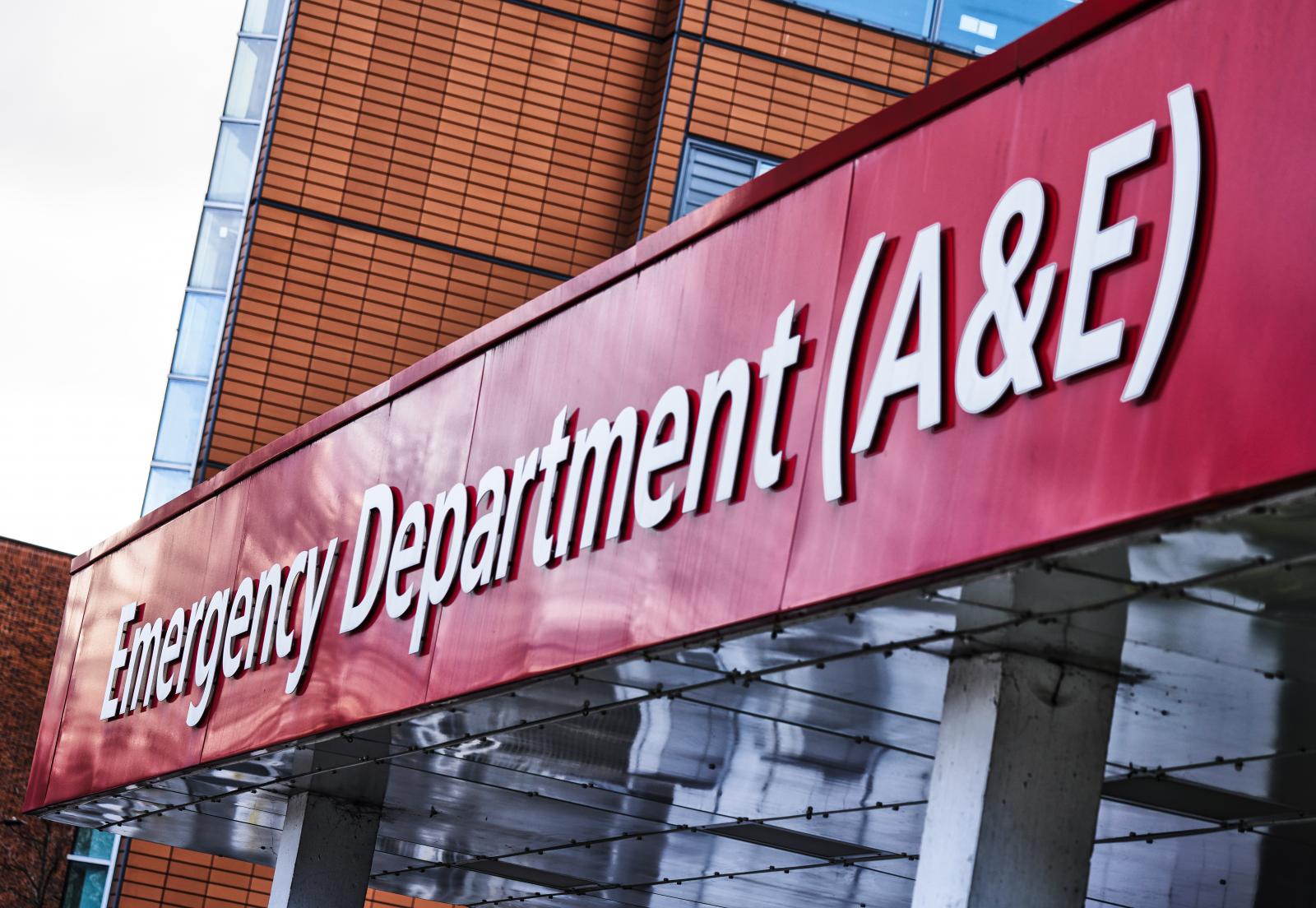

England's emergency departments are heading into winter under intense pressure, with the latest NHS figures revealing some of the worst A&E waiting times seen for this period of the year.
New data from NHS England shows that more than one in ten patients attending A&E last month waited longer than 12 hours before being admitted, transferred or discharged. In total, 157,574 patients experienced waits exceeding half a day, representing 10.1% of all attendances and the highest proportion recorded in four years.
The figures have prompted renewed calls from the Royal College of Emergency Medicine (RCEM) for urgent government intervention, particularly around delayed hospital discharges and social care capacity.
According to RCEM, emergency departments are already struggling to cope before the seasonal surge in respiratory illnesses and winter-related demand has arrived.
Dr Ian Higginson, RCEM President, said:
“Our Emergency Departments (EDs) are bracing for what we know will be a brutal winter.
“As today’s data shows, EDs are already unable to cope with the pressure before the cold months – and the seasonal illnesses which come with them – have even hit.
“We will do our best to be there for our patients. But departments are overcrowded, and every day thousands of people are waiting more than half a day. It’s becoming harder and harder to stop more of them coming to harm.”
RCEM argues that lengthy emergency department waits are not primarily caused by patients attending with minor conditions, a perception often cited in public debate.
Instead, the organisation says the main issue is a shortage of available inpatient beds for patients requiring admission, combined with insufficient community and social care provision for those who could be discharged safely.
Many of these patients are among the most clinically vulnerable and require ongoing treatment or support.
Last month, an average of 13,647 hospital beds were occupied by patients who were medically fit to leave hospital but remained in place due to discharge delays. These delays are commonly linked to challenges within hospital processes or a lack of available capacity across health and social care services.
The College is urging ministers to prioritise reforms that reduce discharge delays and improve patient flow throughout the healthcare system.
Dr Ian Higginson continued:
“We need urgent and concrete action to tackle delays at the ‘back door’ of our hospitals from the government.
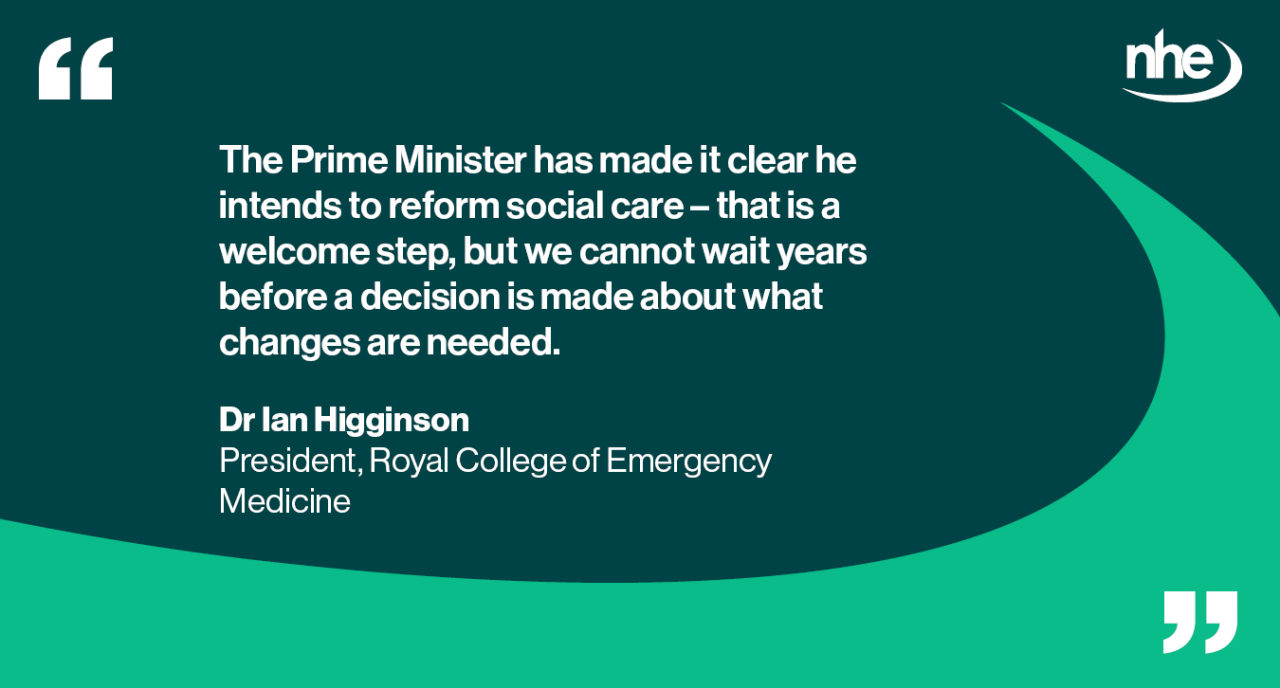
“The Prime Minister has made it clear he intends to reform social care – that is a welcome step, but we cannot wait years before a decision is made about what changes are needed. There has been too much kicking of cans down the road. We also need hospitals to work properly in the evenings and weekends, so that patients don’t wait for tests, therapies, and medicines, and can leave when they are ready.
“This issue cannot be left to lie. The bottom line is this: our patients are coming to harm, and many are losing their lives because of long waits in A&E. We are so frustrated at the way this is being handled.
“We have seen year after year of neglect to this crumbling, yet essential, system. We cannot see another winter go by without real change and real support from government.”
With winter demand still to arrive, healthcare leaders fear worsening pressures across urgent and emergency care services. The latest figures reinforce concerns that hospital discharge bottlenecks, workforce pressures and insufficient social care capacity continue to affect patient flow throughout the NHS.
The RCEM is calling for immediate measures to improve capacity and reduce delays, warning that without intervention, patients and frontline staff face another challenging winter.
Image credit: iStock