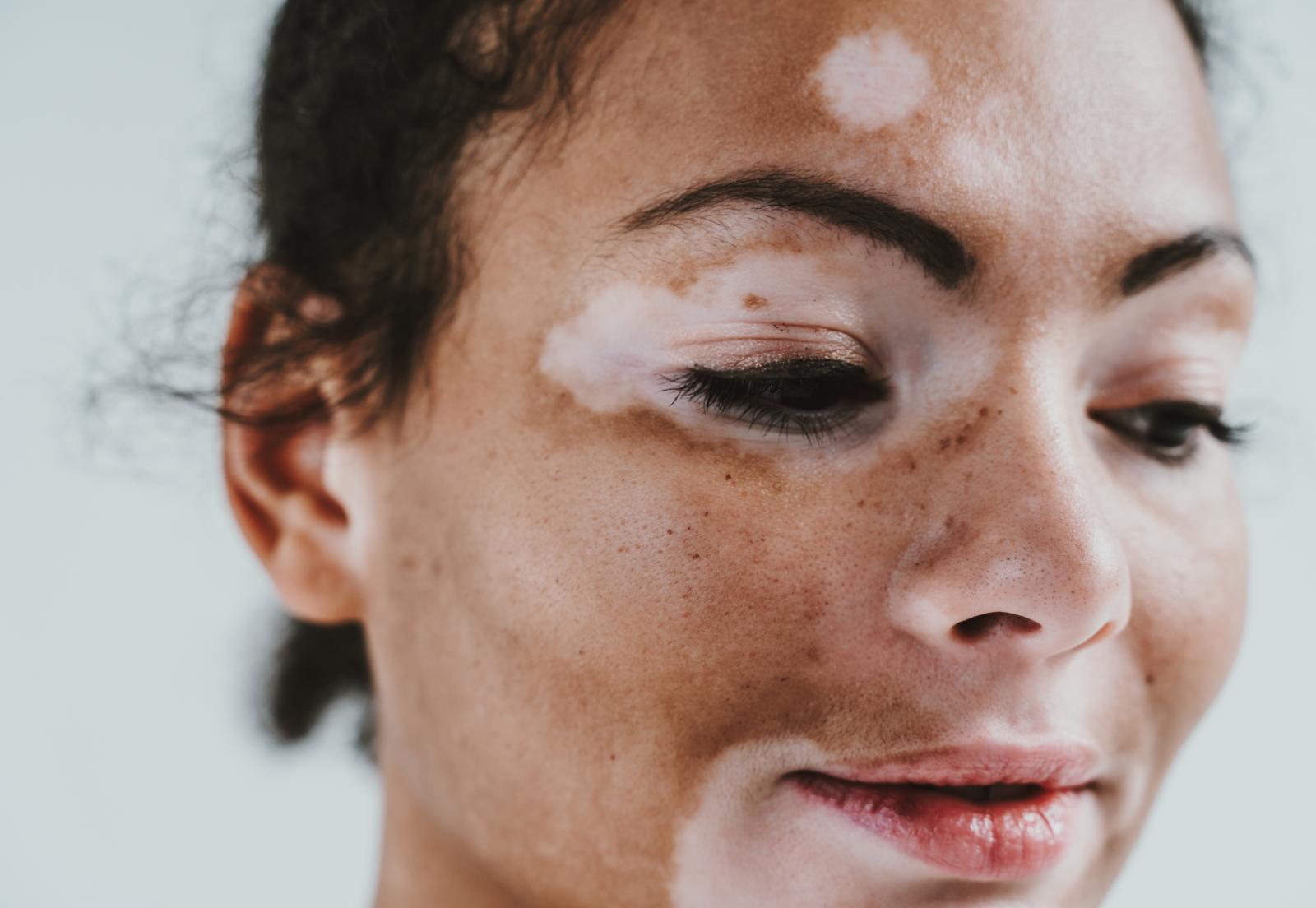

Tens of thousands of people living with vitiligo affecting their face will now have access to the first approved NHS medicine designed to restore lost skin colour. The treatment, a topical cream called ruxolitinib, will be available to around 100,000 people aged 12 and over who have non‑segmental vitiligo, the most common form of the condition.
Ruxolitinib, applied twice daily, works by calming the overactive immune response that destroys melanocytes, the pigment‑producing cells in the skin. Clinical trials showed that many patients experienced at least 75% restoration of skin colour in affected areas, particularly on the face.
The treatment will be offered when standard steroid creams have not worked or are unsuitable, following a deal secured by NHS England after earlier rejection for NHS use in August 2025.
Vitiligo affects around 1 in 100 people in the UK. Though not physically painful, the condition can be emotionally distressing – especially when it affects the face, impacting confidence, identity and mental health.
Until now, treatment options have been limited to:
- Steroid creams, which can thin skin if used long‑term
- Light therapy, requiring numerous hospital visits and often offering variable results
- Cosmetic camouflage products, which mask rather than treat the condition
Ruxolitinib represents the first clinically proven cream that can actively restore pigmentation by targeting the underlying immune mechanism.
NICE has approved the cream for:
- People aged 12+
- Those with non‑segmental vitiligo
- Patients whose symptoms affect the face and/or body symmetrically
- Individuals who have not responded to or cannot use steroid creams
The cream is typically used for several months, with progress assessed after around six months of treatment.
Ruxolitinib was initially rejected for NHS use in August 2025, but after a rapid review and negotiations with manufacturer Incyte, NHS England secured a deal enabling NICE to approve the treatment. This has allowed the NHS to offer a therapy previously unavailable to UK patients.
Professor Meghana Pandit, National Medical Director at NHS England, said:
“For many people, vitiligo isn’t just a change in skin colour – it can affect how they see themselves and how they feel every day, particularly when it involves the face.
“We also know the condition can have a particularly significant impact on people with darker skin tones, where changes in pigmentation are more visible.
“For the first time, we now have an approved treatment available on the NHS that can significantly restore skin colour rather than simply covering the condition up. While it won’t be right for everyone, for some people this could make a profound difference to how they feel about themselves.”
Like most topical medicines, ruxolitinib can cause mild skin reactions, such as redness, itching or irritation at the site of application. NICE notes that these side effects are generally manageable and less severe than long‑term steroid use.
Vitiligo can occur or worsen due to factors such as illness, stress or skin injury. It most commonly affects the face, neck and hands, but can appear anywhere on the body.
NHS experts say that access to an effective treatment option marks a significant milestone for those living with the condition and may help reduce the emotional and social impact experienced by many.
Image credit: iStock