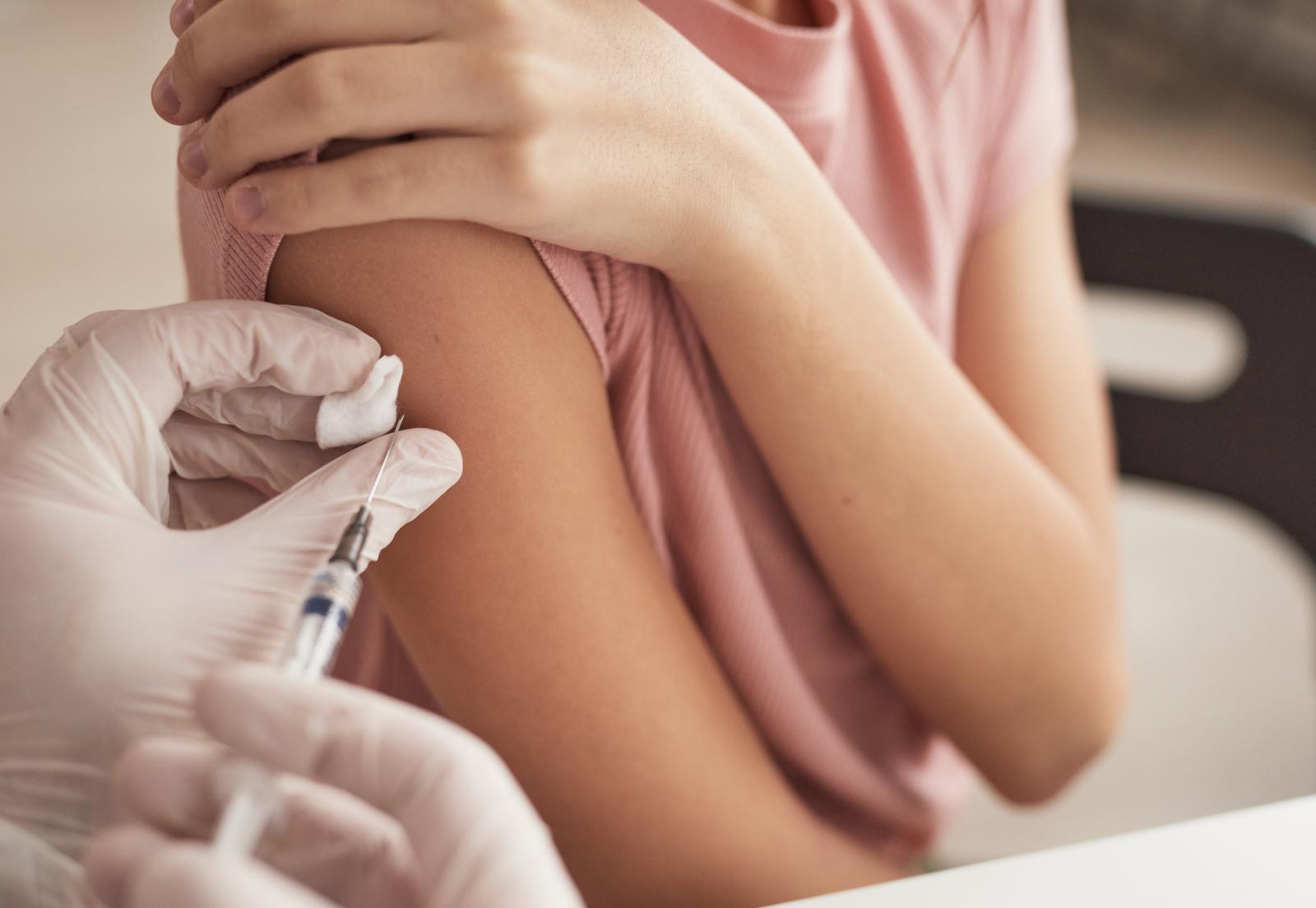

The government has launched a new nationwide childhood immunisation campaign urging parents to vaccinate their children, as cases of preventable diseases such as measles continue to rise across England.
The ‘Stay Strong, Get Vaccinated’ campaign aims to make trusted, accessible information available to families, helping parents better understand the life‑saving protection vaccines provide. The initiative is designed to reverse declining vaccination uptake and ensure children remain protected against serious illnesses.
The campaign follows a concerning decline in childhood vaccination rates and a sharp rise in measles outbreaks. In 2024, more than 2,900 measles cases were confirmed in England – the highest levels seen in decades. As a result, the UK lost its World Health Organisation measles elimination status.
Measles spreads extremely easily among unvaccinated children, as demonstrated by the ongoing outbreak in North London. Without vaccination, children remain vulnerable to severe complications such as pneumonia, brain inflammation and, in rare cases, death.
The WHO recommends 95% uptake of routine childhood vaccines to prevent outbreaks – a target the UK is currently well below.
The new campaign aims to reach parents of children aged 0 to 5 years through:
- A new 30‑second TV and video‑on‑demand advert
- Social media content, online videos, and digital display advertisements
- Partnerships with parenting and gaming platforms, including Mumsnet and Netmums
The campaign has been developed with support from NHS England and the UK Health Security Agency, ensuring parents receive trusted, evidence‑based information.
Routine childhood vaccinations on the NHS are free, safe, and highly effective. According to UKHSA estimates, they prevent around 5,000 deaths each year in England, and over 228,000 hospital admissions annually.
Vaccination protects against a wide range of serious diseases including measles, whooping cough, meningitis, polio, and diphtheria. Many vaccines also help reduce transmission, protecting babies and vulnerable individuals who cannot be vaccinated.
Director of Vaccination at NHS England, Caroline Temmink, commented:
“Childhood vaccines have protected generations of children from devastating diseases for decades, yet too many children are still missing out on vital protection.
“We’re urging all parents to check their children are up to date with their recommended vaccinations and to book an appointment through their GP practice when invited– it’s quick, it’s free, and it could save their life.”
This year, new protection against chickenpox has been added to the NHS childhood vaccination schedule via the MMRV vaccine, which combines measles, mumps, rubella, and varicella in a single jab.
Key changes include:
- Free MMRV vaccine for eligible children
- Second dose offered earlier, at 18 months, so more children are fully protected before starting school
- Families no longer need to pay private fees of around £150 for the varicella vaccine
This ensures equitable access to protection for all families, regardless of income.
Alongside vaccinating their own children, parents are being encouraged to help raise awareness among friends, relatives, and their wider community. The government hopes this family‑to‑family approach will support a cultural shift back toward high uptake.
Vaccination remains one of the most effective public health interventions in history, second only to clean water. By increasing uptake, the campaign aims to prevent avoidable illness, protect communities, and safeguard children’s health for years to come.
Image credit: iStock