

Advice and Guidance services across the NHS are helping clinicians access specialist expertise more quickly and improve patient care, but inconsistent implementation is creating patient safety risks that must be urgently addressed.
That is the key finding from a new interim report published by the Health Services Safety Investigations Body, which examined the growing use of A&G services across England. These services enable GPs and other primary care clinicians to seek advice from hospital specialists either before making a referral or as an alternative to referral.
The investigation found widespread support for A&G services where they are operating effectively, with evidence suggesting they can improve communication between primary and secondary care and help patients receive the right care more quickly.
However, investigators also uncovered evidence of patient harm linked to poorly designed or inadequately monitored pathways. Concerns included delayed diagnoses, missed diagnoses, delayed treatment and, in some cases, delays in cancer care.
The report found that A&G services can deliver significant benefits when used appropriately, particularly by strengthening communication between GPs and specialist teams.
Despite these benefits, investigators noted there is currently limited evidence available on patient safety outcomes, making it difficult to assess the full impact of A&G services across the NHS.
The investigation also highlighted examples where inadequate implementation and oversight contributed to both physical and psychological harm for patients. Near misses and safety incidents were reported in circumstances where local processes lacked sufficient governance or monitoring.
One of the report's most significant findings was the variation in how A&G and Single Point of Access (SPoA) pathways are being implemented across England.
Investigators identified examples where local systems required GPs to use A&G services instead of allowing direct referrals to secondary care. In some cases, requests for specialist assessment were declined even when clinicians continued to have concerns about a patient's condition.
These practices were found to differ from national expectations and raised concerns about potential barriers to timely diagnosis and treatment.
The investigation also highlighted ongoing challenges with the NHS electronic Referral Service (e-RS).
Issues including poor interoperability between systems and delays to planned enhancements have made it more difficult for clinicians to track patients through care pathways and consistently share clinical information.
HSSIB warned that these digital limitations increase the risk of communication failures and may affect the safe management of patient care as A&G services continue to expand.
To address the concerns identified, HSSIB has issued two formal safety recommendations.
The first calls on NHS England and the Department of Health and Social Care (DHSC) to undertake a rapid evaluation of A&G services. This review should focus on:
- Workforce capacity and resource requirements
- Training and support needs
- Digital risks associated with e-RS
- Improvements to patient safety incident reporting
The second recommendation urges NHS England and DHSC, working alongside Royal Colleges, to develop standardised A&G request and response templates for specialties where they do not currently exist. The aim is to improve consistency, communication and patient safety across services.
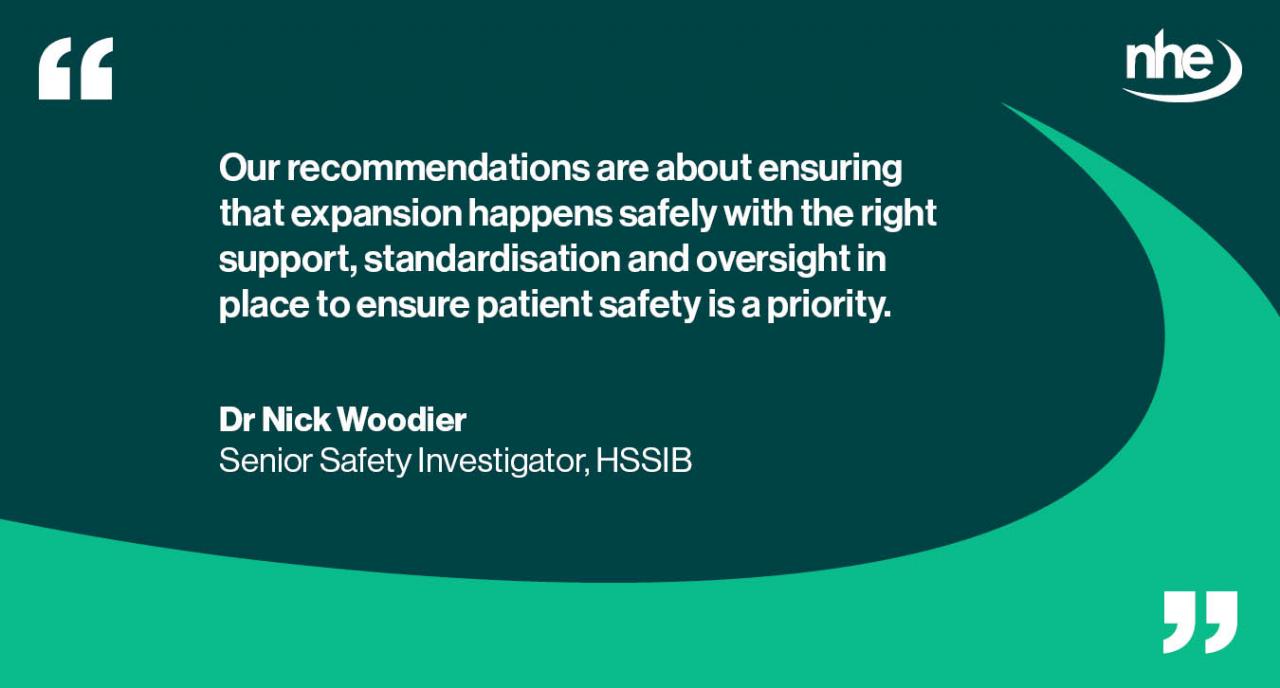
Dr Nick Woodier, Senior Safety Investigator, said:
"A&G services are making a real difference for patients in many parts of the NHS, and we heard genuine enthusiasm for what they can achieve. But we also heard serious concerns, and found evidence of harm where implementation has not been adequately designed or monitored. Our recommendations are about ensuring that expansion happens safely with the right support, standardisation and oversight in place to ensure patient safety is a priority."
As NHS organisations continue to expand Advice and Guidance services to manage rising demand and reduce pressure on outpatient services, the report underscores the importance of balancing innovation with robust governance, standardisation and patient safety oversight.
Image credit: iStock