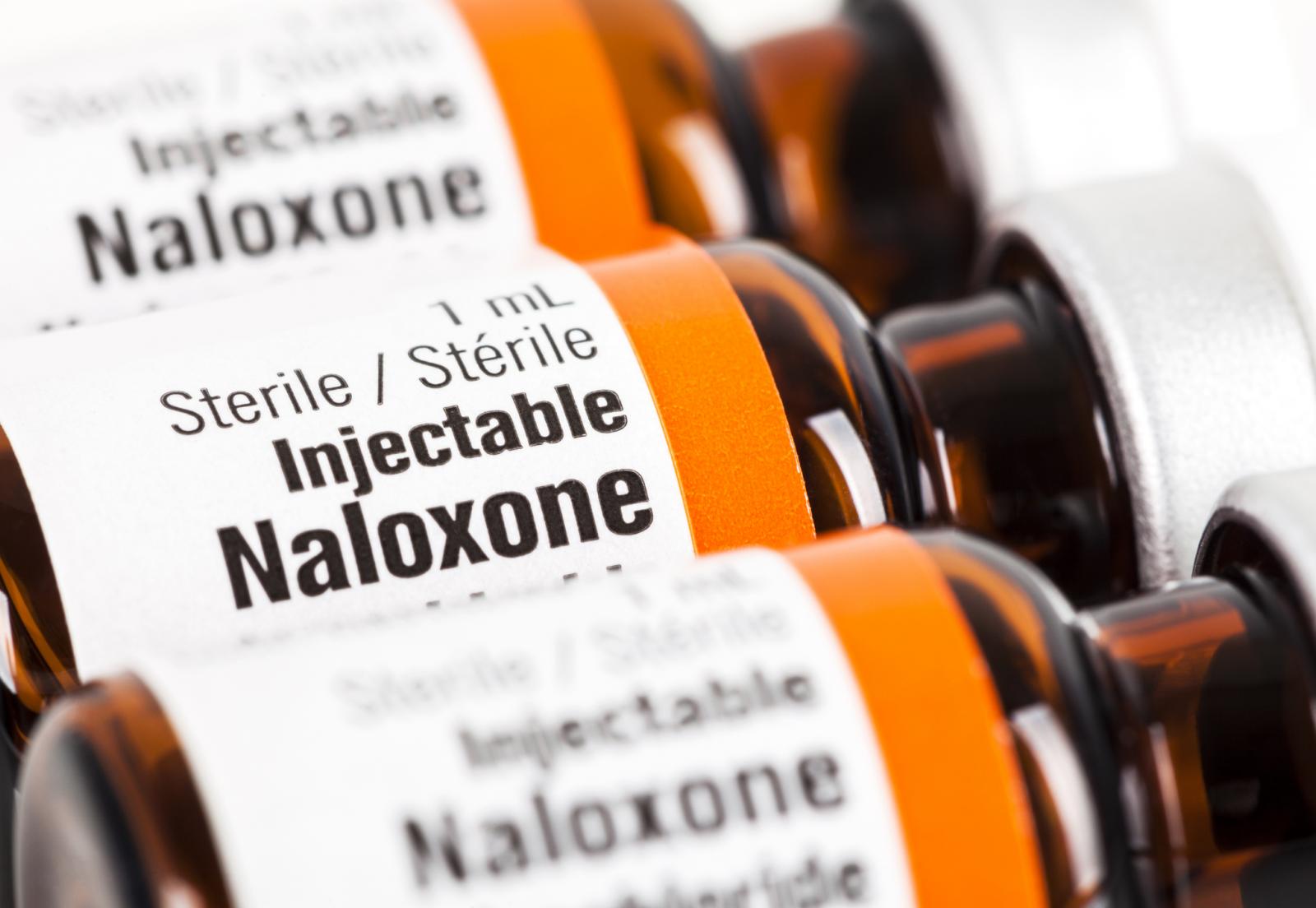

Hundreds of lives could be saved as the government unveils plans to expand access to naloxone, the life‑saving medication that reverses opioid overdoses.
A 10‑week consultation has proposed widening supply to homeless shelters, emergency responders and new public access points to help prevent fatal overdoses, including from synthetic opioids such as nitazenes.
The move sits at the heart of a comprehensive national approach to tackling drug and alcohol misuse, backed by a record £3.4 billion investment over the next three years up to 2029. With drug‑related deaths doubling since 2012 and a record 5,565 lives lost in England and Wales last year, ministers say expanding naloxone access is essential to reduce harm and save lives.
The consultation seeks views on amending regulations to:
- Expand naloxone supply to homeless hostels, day centres and outreach services supporting people experiencing rough sleeping or homelessness.
- Allow supplies to be delivered to emergency staff at organisations including Border Force, the National Crime Agency, and laboratory testing facilities that may encounter dangerous synthetic opioids such as nitazenes.
- Introduce publicly accessible emergency naloxone boxes – similar to defibrillator cabinets – in high‑risk locations such as high streets and areas near nightlife venues.
Naloxone remains a prescription‑only medicine, but legislation introduced in December 2024 already widened the list of organisations and emergency professionals who can provide take‑home naloxone — including police officers, paramedics and probation workers. The government now aims to go further, working with local authorities and homeless charities to reach more people and remove remaining barriers.
Deaths involving nitazenes have risen sharply from 52 reported deaths in 2023 to 195 deaths in 2024. Following a positive public consultation and earlier changes, the government set an ambition to prevent nearly 1,000 drug‑related deaths in England by the end of 2025. The new proposals are designed to extend the reach and effectiveness of naloxone, particularly among groups who face multiple barriers to accessing support.
Most local authorities will also see cash increases in funding, with targeted support for areas of high need and those supporting people who are sleeping rough.
Karin Smyth, Minister of State for Health, commented:
“Every drug death is a preventable tragedy. Naloxone is a safe, effective medication that can reverse an opioid overdose and give someone the chance to access treatment and rebuild their lives.
“We want to remove the barriers which prevent naloxone reaching the people who need it most at that moment when their life is on the line.
“That is why we are launching this consultation to change the regulations and make sure those coming in contact with opioids through their work - or members of the public faced with an emergency - can save a life.”
Alongside expanding naloxone access, the government has committed to shifting from sickness to prevention – including stopping drug use before it starts. In October 2025, a national public health campaign was launched to warn of the risks of ketamine, counterfeit medicines, synthetic opioids and THC vapes, following a significant rise in drug‑related harms among young people.
The campaign targets 16–24 year olds and social media users, with additional resources for schools, universities and local public health teams to ensure young people have clear, factual information to make safer decisions.
This second naloxone consultation is being conducted jointly with the Department of Health (Northern Ireland) and has the support of all four UK nations, following agreement at the UK Drugs Ministerial Group that expanding access to naloxone is a key priority.
Subject to consultation responses and Parliamentary approval, the government aims to introduce the new legislation in 2026, through amendments to the Human Medicines Regulations 2012.
Image credit: iStock