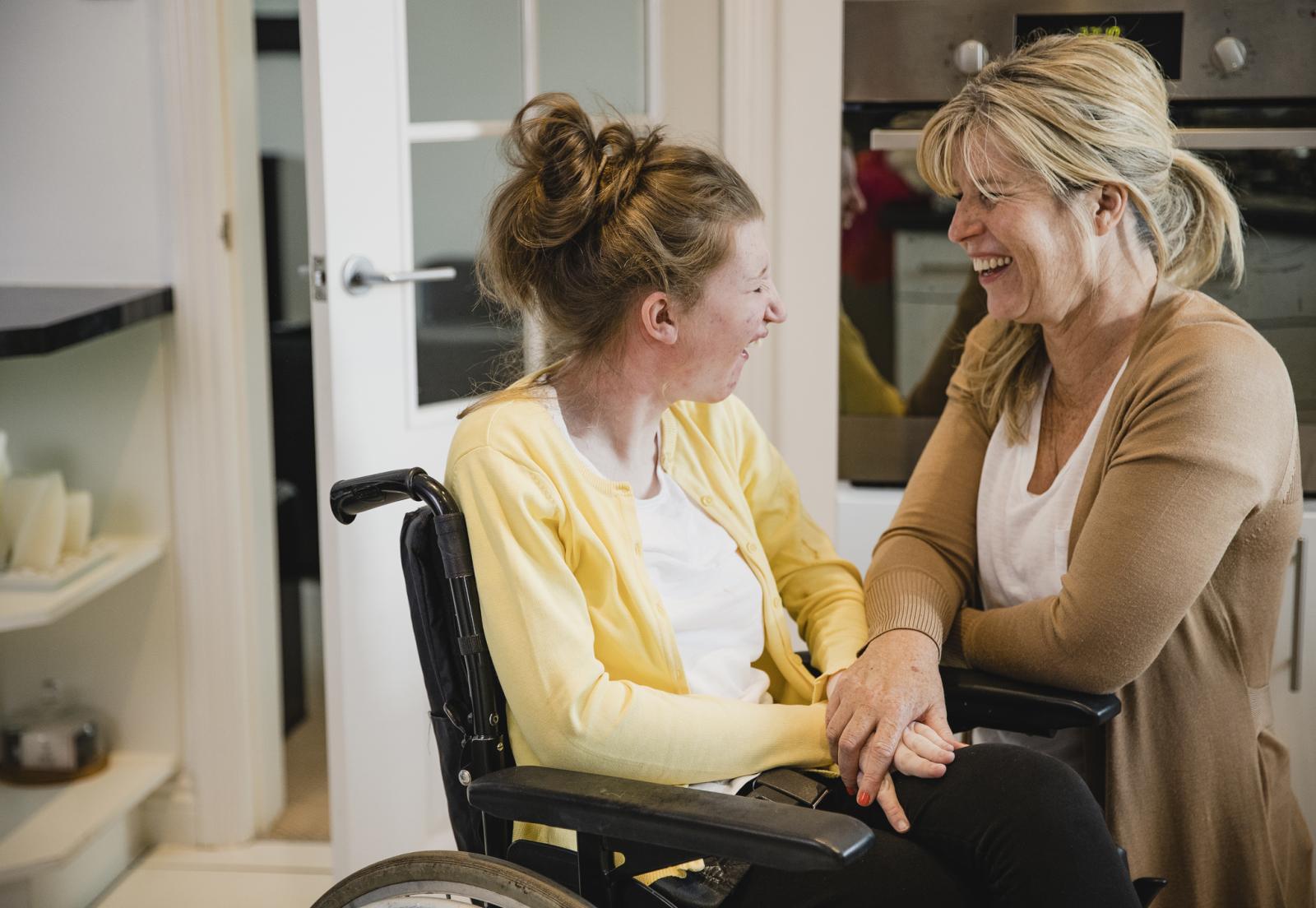

A decade-long collaboration between Coventry and Warwickshire Partnership NHS Trust (CWPT) and University Hospitals Coventry and Warwickshire NHS Trust is delivering life-changing outcomes for children and young people living with cerebral palsy.
Through the Coventry Cerebral Palsy Integrated Pathway, specialists in Community Paediatrics, Orthopaedics and Children's Physiotherapy have worked together since 2016 to provide earlier intervention, coordinated treatment and proactive monitoring, helping to prevent serious complications before they occur.
Today, 172 children are supported through the pathway, representing approximately 95 per cent of Coventry's children and young people diagnosed with cerebral palsy.
The programme has achieved significant clinical improvements over the last 10 years. Since its introduction, new cases of hip dislocation have fallen by 66 per cent, while overall hip dislocation prevalence has reduced to around one per cent. These improvements are helping children avoid pain, complex surgical procedures and long-term disability.
At the heart of the pathway is a multidisciplinary approach that brings specialists from both organisations together in a single clinic setting. Families can access coordinated assessments, receive expert advice from multiple professionals during one appointment and agree personalised treatment plans without the need for separate consultations.
This integrated model enables clinicians to identify emerging issues earlier and intervene more effectively, often preventing the need for more invasive treatment later in a child's care journey.
Mary Mumvuri MBE, Chief Executive of Coventry and Warwickshire Partnership NHS Trust, said:
"This is a fantastic example of what can be achieved when organisations work together around the needs of children and families.
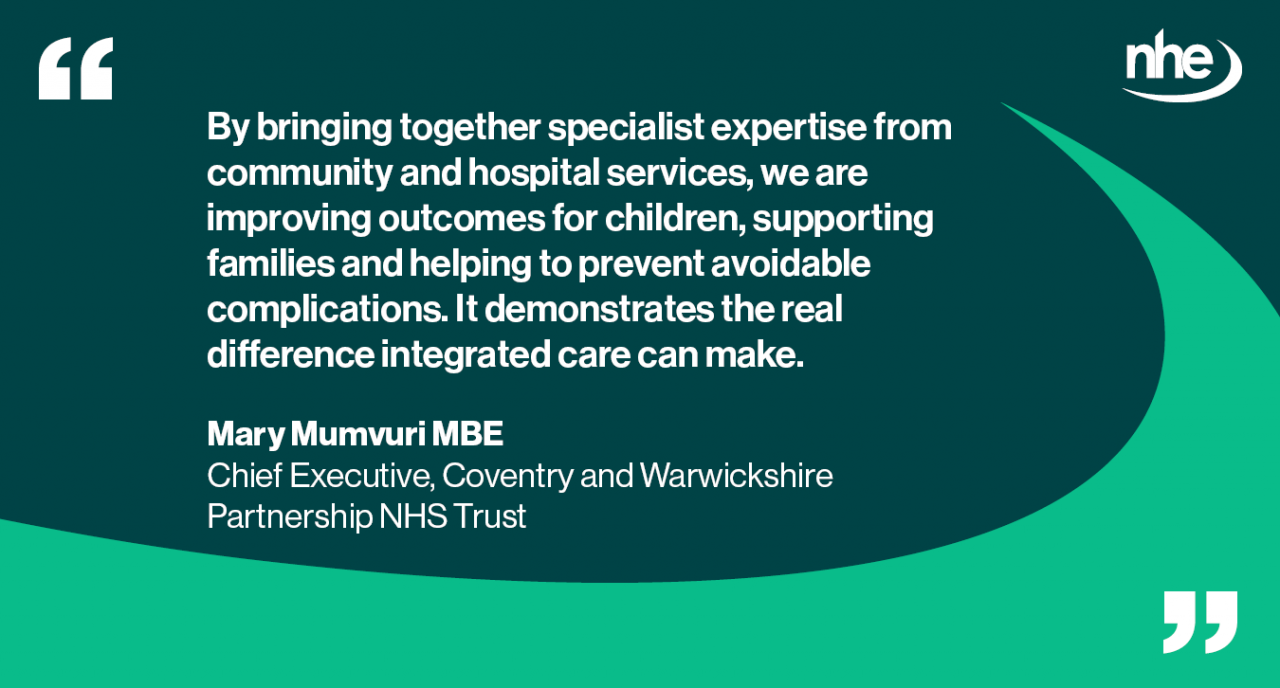
"By bringing together specialist expertise from community and hospital services, we are improving outcomes for children, supporting families and helping to prevent avoidable complications. It demonstrates the real difference integrated care can make."
Professor Andy Hardy, Chief Executive Officer of UHCW NHS Trust, said:
" By sharing expertise and making joint decisions, our teams are providing more coordinated care and helping children receive the right treatment at the right time.
"We are proud of what has been achieved over the last decade and look forward to continuing to develop the service together."
The benefits extend beyond improved clinical outcomes. Based on NHS England cost estimates, lower hip dislocation rates have potentially prevented at least eight major surgical procedures within the current Coventry cohort. This represents a minimum direct surgical cost avoidance of around £56,000, with wider savings across health and social care likely to be substantially higher.
As demand for integrated children's services continues to grow, both organisations remain committed to further developing the Coventry Cerebral Palsy Integrated Pathway and expanding access to coordinated care for more children and families across the region.
The programme is increasingly being recognised as an example of how partnership working, early intervention and multidisciplinary collaboration can improve patient outcomes while delivering better value for the NHS.
Image credit: iStock