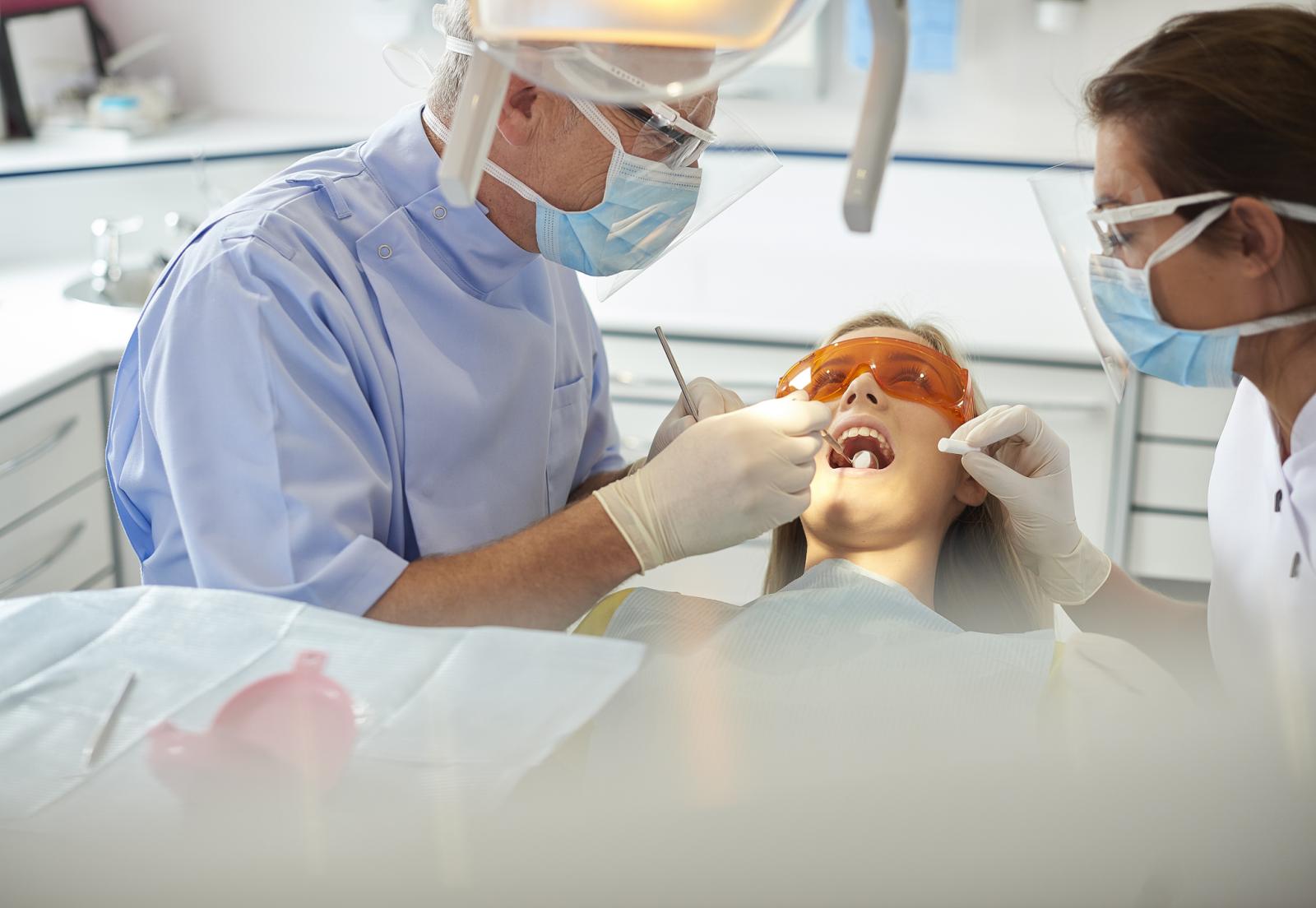

Patients across England will find it easier to access urgent NHS dental appointments thanks to the government’s most significant reform of the NHS dental contract in years.
The overhaul follows extensive consultation with dental professionals and the public, and will come into effect from April 2026.
The reforms aim to ensure that the NHS dentistry budget — around £4 billion — delivers far better value for money by redirecting funding towards patients with the greatest clinical needs. This will support thousands more people to receive timely, effective dental care on the NHS.
Under the current system, patients with multiple decayed teeth or severe gum disease often require several separate appointments. These can be difficult to book for patients and costly for dentists to deliver.
The new system will allow patients with complex needs to receive a single comprehensive package of treatment, delivered over a longer appointment and tailored to their individual oral health needs. This model, supported by a standardised payment package, could save patients up to £225 in fees while improving continuity and quality of care.
Many patients currently struggle to find local NHS dentists willing or able to treat urgent cases — leaving some to live with severe pain or travel outside their area.
The new contract will make urgent dental care a mandatory core service for all NHS dental practices, including treatment for sever tooth pain, dental infections, trauma to teeth, and conditions requiring rapid intervention.
Dentists will be fairly incentivised to provide these urgent treatments on the NHS, ensuring more patients get the help they need quickly and close to home.
Stephen Kinnock, Minster for Care, commented:
“We inherited a broken NHS dental system and have worked at pace to start fixing it – rolling out urgent and emergency appointments and bringing in supervised toothbrushing for young children in the most deprived areas.
“Now we are tackling the deep-rooted problems so patients can have faith in NHS dentistry – these changes will make it easier for anyone with urgent dental needs to get NHS treatment, preventing painful conditions from spiralling into avoidable hospital admissions.
“This is about putting patients first and supporting those with the greatest need, while backing our NHS dentists, making the contract more attractive, and giving them the resources to deliver more.
“This marks the first step towards a new era for NHS dentistry after a decade of decline, one that delivers for patients and our dedicated dental professionals.”
The reforms work alongside the government’s wider dentistry rescue plan. Measures already in progress include the expansion of urgent and emergency care appointments and community water fluoridation schemes, which are proven to reduce decay.
A national supervised toothbrushing programme for 3–5‑year‑olds is also underway, set to support up to 600,000 children this year. Already, over 4 million toothbrushes and toothpastes have been distributed.
To further strengthen children’s dental health, Dental nurses will be encouraged to apply fluoride varnish and dental teams will receive fairer payments for applying protective fissure sealants.
This shift places greater emphasis on prevention, reducing the likelihood of serious dental problems developing later in life.
To improve staff retention and morale, the reforms will introduce:
- Regular annual reviews
- Access to learning and development
- Improved guidance on contractual terms and benefits
- Funding to support dental teams during periods of sick leave
These measures are designed to make NHS dentistry a more attractive and sustainable profession — helping practices recruit, retain, and support the clinicians needed to deliver high‑quality care.
With a modernised contract, stronger workforce support and an enhanced focus on prevention, the government aims to deliver a dental system that provides faster access, fairer treatment and better outcomes for patients in every community.
Image credit: iStock