

Manchester University NHS FT has achieved hepatitis C micro-elimination across its drug treatment services, representing a significant milestone in the city's efforts to eradicate the virus as a public health threat.
Micro-elimination is a focused public health strategy aimed at reducing hepatitis C infections within communities where prevalence is highest. By improving access to testing and treatment, Manchester has successfully identified, treated and cured more people living with the virus, helping to curb transmission and improve long-term health outcomes.
Hepatitis C remains one of the UK's most common blood-borne viruses. It is primarily transmitted through contact with infected blood, most often through the sharing of injecting equipment. Without treatment, the infection can lead to serious liver conditions, including cirrhosis and liver cancer.
However, advances in treatment mean hepatitis C can now be cured in the vast majority of cases using a short course of highly effective tablets, which typically cause few side effects.
The achievement is the result of a coordinated partnership involving the Infectious Diseases and Hepatology teams at Manchester University NHS Foundation Trust (MFT), Change Grow Live, The Hep C Trust, Gilead Sciences and the Hepatitis C Greater Manchester Operational Delivery Network.
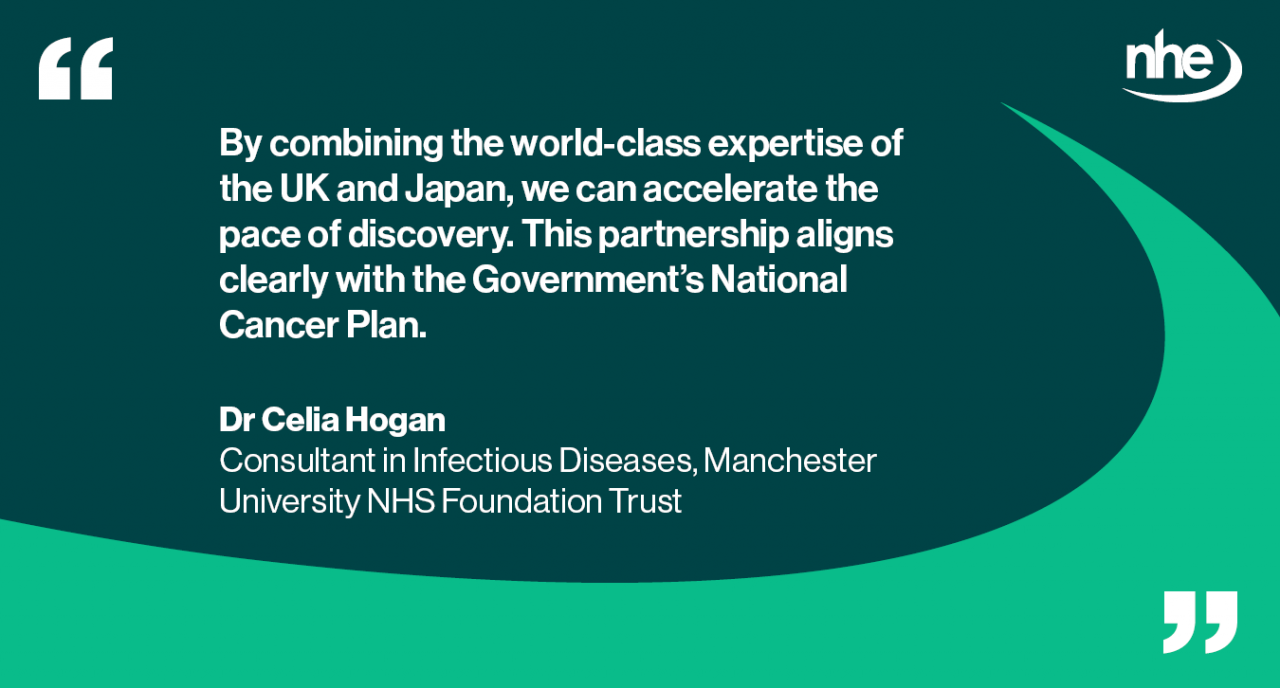
Dr Celia Hogan, Consultant in Infectious Diseases at Manchester University NHS Foundation Trust, said:
“This is truly remarkable. I like to think I’m not ageing, but I remember using the old Hep C treatments, and if you’d told me 15 years ago we would be here, I simply wouldn’t have believed you.
“What has been achieved here cannot be overstated. To reach micro-elimination in a large, complex city like Manchester, particularly within such vulnerable and hard to reach populations, is an exceptional accomplishment. This demonstrates what can be achieved with a committed workforce, strong teamwork, the right investment, and an unwavering focus on patient need.
“The populations we serve are often those who face the greatest barriers to care, and yet this programme has successfully engaged, treated and cured patients who historically would have been left behind.
It is a huge achievement, and one that everyone involved should feel incredibly proud of. I am certainly very proud to work alongside such innovative people.”
The success highlights the strength of MFT's Blood-Borne Viruses Testing Programme and the commitment of frontline teams working to ensure people at risk are offered testing and supported into treatment.
Many of those engaged through the programme are people who use drugs and individuals experiencing homelessness, making the achievement particularly important in addressing health inequalities and reaching communities that can often be excluded from traditional healthcare pathways.
Partnership organisations across Manchester have delivered impressive outcomes, including:
- Offering hepatitis C testing to 100% of people accessing local drug treatment services.
- Testing 98.4% of people with a history of injecting drug use.
- Testing 90.07% of those with ongoing risk factors within the past 12 months.
- Linking 97.4% of people diagnosed with hepatitis C into care and initiating treatment.
The achievement demonstrates how targeted outreach, partnership working and accessible healthcare services can successfully identify people living with hepatitis C, connect them with life-changing treatment and prevent future infections.
As the NHS continues its ambition to eliminate hepatitis C as a public health threat, Manchester's success provides a blueprint for other regions seeking to reach vulnerable populations and improve public health outcomes through collaborative, community-focused care.
Image credit: iStock