

Mothers and newborns across England are set to receive stronger protection under a landmark patient safety initiative, as Martha’s Rule will now be introduced across all maternity and neonatal settings. The move comes in response to serious and systemic failures identified at Nottingham University Hospitals NHS Trust.
The decision follows Donna Ockenden’s independent review – the largest ever conducted into NHS maternity and neonatal services – which examined the experiences of around 2,500 families. The findings exposed a deeply troubling culture where concerns were frequently ignored, complaints dismissed, and opportunities to intervene in deteriorating conditions repeatedly missed.
A Systemic Failure in Maternity Care
The Ockenden review uncovered widespread issues, including:
- Women’s concerns not being taken seriously
- Missed warning signs in deteriorating patients
- A culture where both staff and parents felt unable to speak up
These failings have driven urgent reforms aimed at improving patient safety and accountability.
What Martha’s Rule Means for Families
Under the expanded rollout, parents and families will have the right to request a rapid review by an independent medical team if they believe a mother or baby’s condition is worsening and not being addressed.
The rule, already implemented for inpatients across acute hospitals, has been piloted in 15 maternity and neonatal units. NHS data shows:
- Over 2,100 calls have been made under the scheme
- More than 600 cases resulted in potentially life-saving escalations of care
Martha’s Rule is named after Martha Mills, a 13-year-old who died in 2021 from sepsis after her family’s concerns were not acted upon. A coroner later concluded her death could likely have been prevented with earlier intervention.
Government Response and Accountability Measures
Secretary of State for Health and Social Care James Murray emphasised the urgency of reform:
“Last week I met with the families in Nottingham and heard first-hand about the devastating loss they have suffered, often caused by horrendous care they received on the NHS. Donna Ockenden’s review lays bare a culture where too many voices went unheard, too many opportunities to prevent harm were missed and too many lives were lost. That’s why we have to take action, and quickly.
“No family should ever have to battle the system that is meant to care and protect them. That is why Martha’s Rule is so fundamental. It provides a way for a concerned mum or family member to raise the alarm before it is too late.
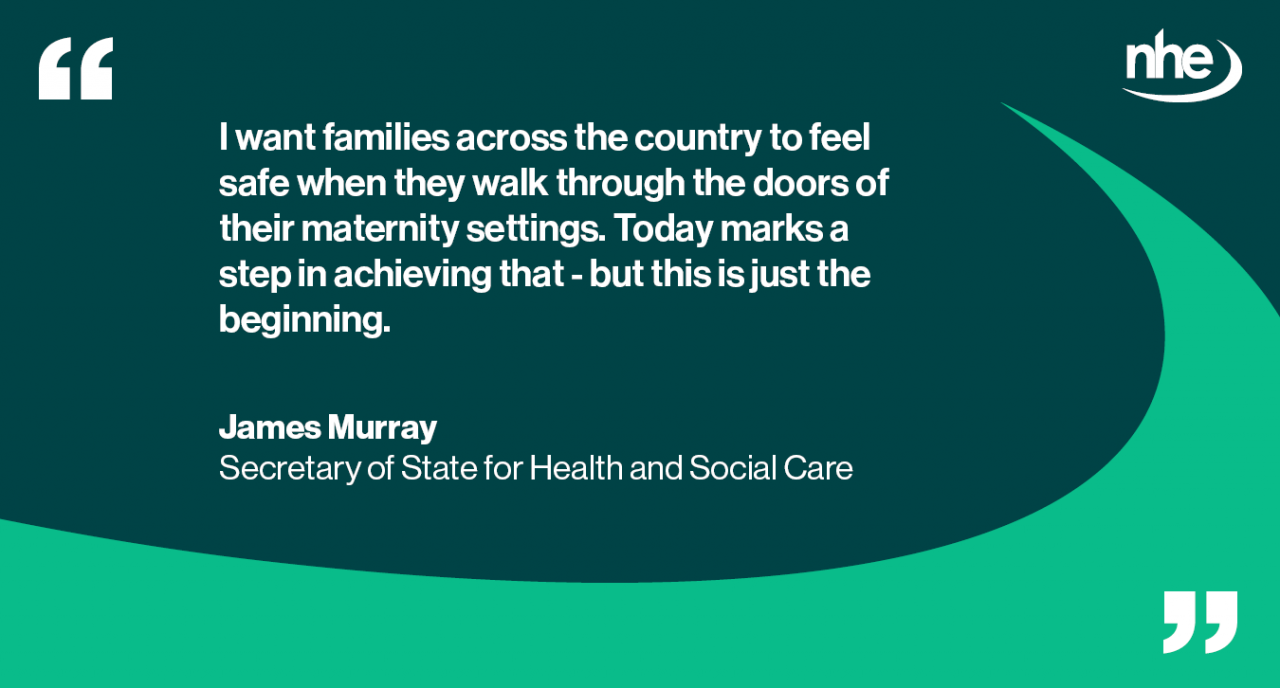
“I want families across the country to feel safe when they walk through the doors of their maternity settings. Today marks a step in achieving that - but this is just the beginning.
“I want to thank Donna for her work over the last 4 years. These clear recommendations will form part of our national plan to deliver real improvements in maternal and neonatal care, in Nottingham and beyond.”
In a further push for transparency, individuals responsible for failures in maternity care will be legally required to provide evidence during investigations. Those who refuse or deliberately withhold information could face up to two years in prison.
Tackling a ‘Culture of Silence’
The review revealed that although more than 800 staff provided evidence, many described being silenced when raising safety concerns. The new measures aim to ensure ongoing investigations in areas such as Leeds and Sussex are thorough and unbiased, giving staff confidence to speak openly.
Strengthening Oversight and Dignity in Care
In response to distressing findings about mortuary practices, the Human Tissue Authority will require all NHS mortuaries to review records from 2015 to 2026. The goal is to ensure all incidents involving deceased babies are properly logged and investigated, reinforcing dignity and accountability.
NUH has also introduced a new helpline for families seeking support or raising concerns about maternity and neonatal care.
Wider Investment in Maternity Safety
The government has already committed £145 million since 2025 to improve maternity and neonatal care safety. Additional initiatives include:
- Reducing avoidable brain injuries during labour
- Programmes to lower stillbirth and neonatal death rates
- Leadership and culture training for maternity units
- Expanded maternal mental health services
- Updated clinical guidance targeting leading causes of maternal death
A national action plan, led by the National Maternity and Neonatal Taskforce, will bring together the findings of the Ockenden review and other reports to deliver long-term improvements.
Image credit: iStock