

The Medicines and Healthcare products Regulatory Agency has today published comprehensive new advice to help the public navigate the rapidly expanding world of digital mental health tools.
Developed in partnership with NHS England, the new resources – which include animations and real-world examples – are designed for patients, parents, and healthcare professionals. The guidance arrives as more people, particularly the younger generation, turn to symptom-trackers and virtual reality therapies to manage their wellbeing.
With thousands of apps available, it is not always easy to distinguish between a general wellbeing tool and a regulated medical device. The MHRA recommends five key checks before hitting 'download':
- Check the Claim: Does the app claim to diagnose or treat a condition, or is it for general wellbeing? Medical claims must be backed by evidence.
- Verify the Audience: Ensure the tool is age-appropriate. Tools for adults may not be safe for children.
- Look for Evidence: Trustworthy tools should clearly explain how they were tested, such as through clinical studies.
- Data Transparency: Users should be able to see exactly how their sensitive personal information is stored and used.
- Regulation Status: If a tool diagnoses or manages a condition, it must display a CE or UKCA mark and be registered on the MHRA’s public register.
The MHRA clarified that while "lifestyle" or "wellbeing" apps aren't necessarily unsafe, they do not undergo the same rigorous clinical checks as those classed as medical devices.
Professor Anthony Harnden, Chair of the MHRA and Professor of Primary Care at the University of Oxford, said:
“When someone turns to a tool to help with their mental health, they need to know it is safe, effective, and built on reliable evidence. Our aim is to give people clear, practical advice they can use in everyday life, so they understand what good looks like and when to speak up if something doesn’t feel right.
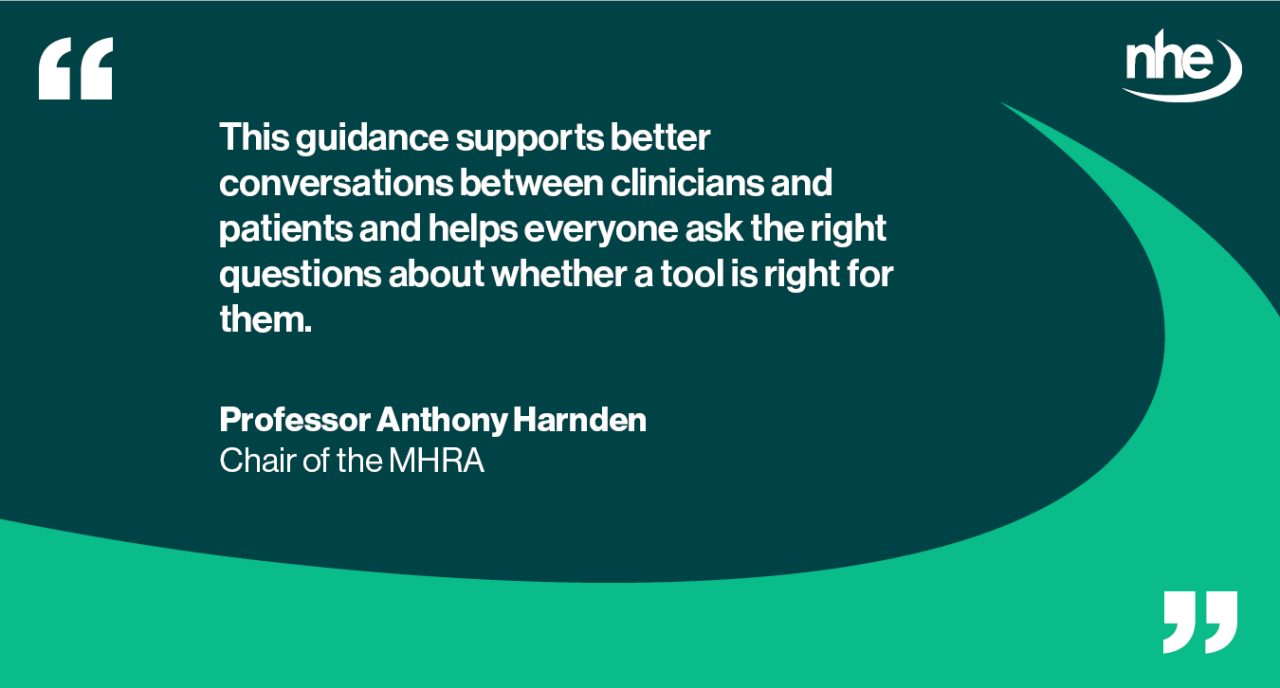
“As a GP, I’ve seen how patients can benefit from accessing digital tools alongside traditional forms of care. This guidance supports better conversations between clinicians and patients and helps everyone ask the right questions about whether a tool is right for them.
“Digital mental health technologies are not a replacement for professional healthcare. Anyone experiencing mental health difficulties should seek support from trained professionals.”
For products that are regulated, the MHRA is urging users to report any harm or distress caused by the technology via the Yellow Card scheme. This reporting system allows the regulator to take swift action and protect other users.
The new resources aren't just for individuals. They are specifically tailored to support GPs, nurses, and teachers who frequently recommend digital tools to those in their care.
The project, funded by Wellcome, marks the latest step in a three-year initiative to modernise the regulation of fast-moving digital health technologies.
Image credit: iStock