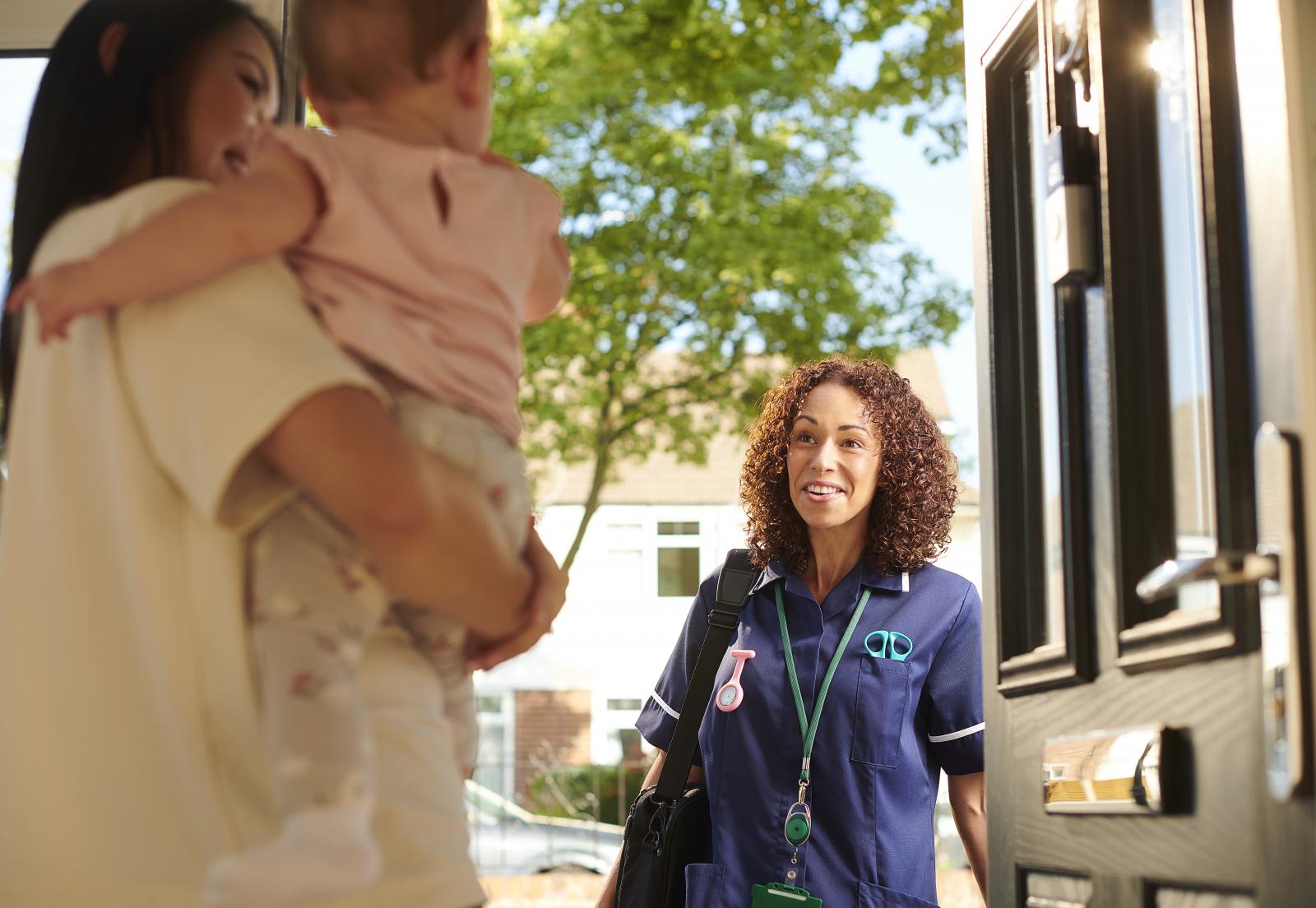

Six pioneering health and care partnerships across England have secured a share of £1.5 million in funding to develop innovative neighbourhood health models designed to deliver more joined-up care, reduce unnecessary hospital admissions and help people live independently for longer.
The investment, provided through the Office for the Impact Economy, will support the development and testing of new approaches that bring together NHS organisations, local authorities, voluntary sector partners and communities to tackle health inequalities and improve outcomes closer to home.
The initiative forms part of the government's wider ambitions under its 10 Year Health Plan, which aims to shift healthcare away from reactive treatment and towards prevention, early intervention and community-based support.
The six successful projects will serve as trailblazers for future neighbourhood health services, creating evidence and learning that could support wider adoption across the NHS.
The selected sites are:
Bristol NHS Foundation Trust
Bristol will develop a 1,000 Days Neighbourhood Model, using population health data and community networks to enhance end-of-life care while helping people living with frailty and multiple long-term conditions remain supported outside hospital settings.
Lewisham and Greenwich
The Lewisham Health and Care Partnership and Healthier Greenwich Partnership will expand their integrated neighbourhood model, focusing on long-term conditions, frailty, cancer care and end-of-life support, while strengthening the role of cancer services within existing neighbourhood teams.
North East Lincolnshire
Navigo Health and Social Care CIC, on behalf of the North East Lincolnshire Health and Care Partnership, will establish a Proactive Neighbourhood Care and Coordination Service. The programme will connect primary care, mental health services, social care and community providers to support people with complex needs before they reach crisis point.
London Cancer Partnerships
RM Partners and the NCL NHS Cancer Alliance will introduce a large-scale neighbourhood cancer prehabilitation and rehabilitation model across 19 London boroughs. The programme aims to improve care coordination, increase access to local services and support patients through digital navigation tools.
North Nottinghamshire
Led by Sherwood Forest Hospitals NHS Foundation Trust, the North Nottinghamshire programme will take a proactive approach to supporting people living with severe frailty, cancer and multiple long-term conditions, with a strong emphasis on addressing the wider determinants of health.
York and Scarborough
York and Scarborough Teaching Hospitals NHS Foundation Trust will expand its successful neighbourhood frailty model. The programme will use proactive identification, comprehensive geriatric assessment and multidisciplinary teams to help older residents remain at home, while extending proven approaches into rural and coastal communities including Scarborough and Bridlington.
The programme builds on previous work developed by West Hertfordshire Teaching Hospitals NHS Trust, Macmillan Cancer Support and Social Finance, where proactive care models have already demonstrated the benefits of earlier intervention and greater independence for patients.
The government has partnered with Social Finance, Macmillan Cancer Support and West Hertfordshire Teaching Hospitals NHS Trust to combine expertise in cancer care, health system transformation, neighbourhood health and innovative funding approaches.
Integrated Care Boards and local authority partners from across England were invited to submit proposals.
Speaking about the initiative, Dame Diana Johnson, Minister of State for Health, said:
“Neighbourhood health is about bringing services together within our local communities, helping people get the right care, at the right time, closer to home.
“These six trailblazer pilots will help lead the way in showing how locally-led services can work together in the areas of greatest need, and support people to live healthier, more independent lives.
“The programme is a key part of our 10 Year Health Plan, helping us shift from treating sickness to preventing it in the first place, and giving people the help they need in the heart of their own communities.”
Alongside improving care outcomes, the programme is expected to demonstrate how social investment can support NHS transformation and complement traditional public sector funding.
Macmillan Cancer Support has committed £250 million towards neighbourhood health initiatives across the UK over the next three to five years. The charity intends to act as a cornerstone investor in the trailblazer sites, helping to attract additional partners and unlock further funding for community-based care.
Meanwhile, Social Finance will support participating sites in developing innovative investment models capable of attracting impact investment and sustaining long-term change.
The initiative also aligns with the government's wider agenda to devolve power to local communities, strengthen the impact economy and accelerate the transition from hospital-centred care to prevention-focused services delivered closer to people's homes.
Image credit: iStock