


Unpaid carers, disabled people and individuals with lived experience of social care will soon have a direct say in shaping local services, after new Scottish Parliament regulations were approved.
The changes, introduced by Social Care Minister Tom Arthur, will give service users and third‑sector organisations a formal vote on Integration Joint Boards – the bodies responsible for planning and delivering adult social care and community health services across Scotland.
Until now, voting rights on IJBs were restricted to members appointed by NHS health boards and local councils. The new legislation ensures that the voices of people who rely on social care carry equal weight in decisions on support such as community‑based care for people with disabilities or long-term conditions.
There are 31 Integration Joint Boards across Scotland. Each one brings together representatives from the NHS, local councils, service providers and community organisations.
Commenting on the changes, Arthur said:
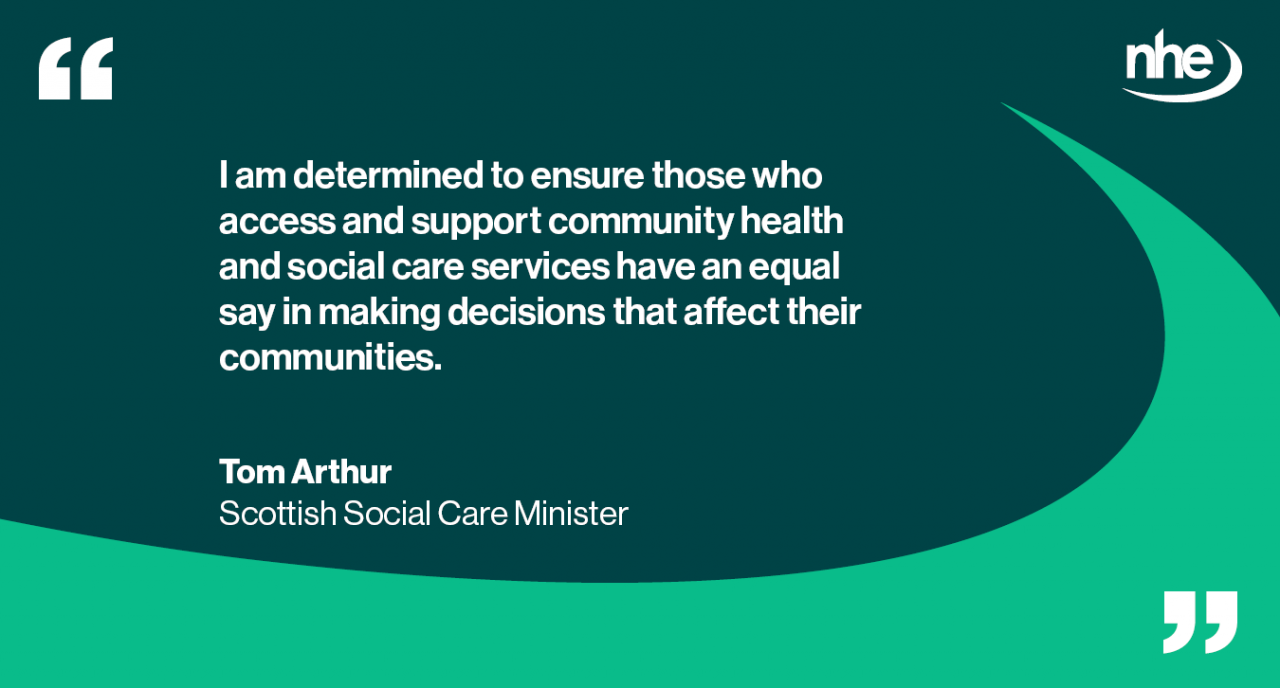
“I am determined to ensure those who access and support community health and social care services have an equal say in making decisions that affect their communities.
“These regulations extend voting rights to unpaid carers, service users and third sector representatives, collectively representing the voice of lived experience. It is only fair that these voices carry equal weight alongside other members - to help ensure local services are funded properly to meet the needs of people.
“People with lived experience provide valuable insight into challenges and opportunities which should be considered during planning. This change will bring decision making closer to the people we all serve. We expect to see more inclusive, collaborative and improved choices as a result.”
The new order, tabled by the Social Care Minister, will formally extend voting rights to:
- Unpaid carers
- Disabled people
- People with lived experience of social care
- Third sector organisations representing service users
This change ensures that the people who understand the system best, through direct personal experience, can influence how services evolve and ensure decisions reflect the needs of those who rely on them.
The draft regulations will come into force in September, after scrutiny by the Scottish Parliament’s Health, Social Care and Sport Committee concluded. The reforms strengthen the Scottish Government’s commitment to more inclusive, person‑centred decision-making and mark a significant step towards ensuring service users have meaningful influence over social care planning and delivery.
Image credit: iStock