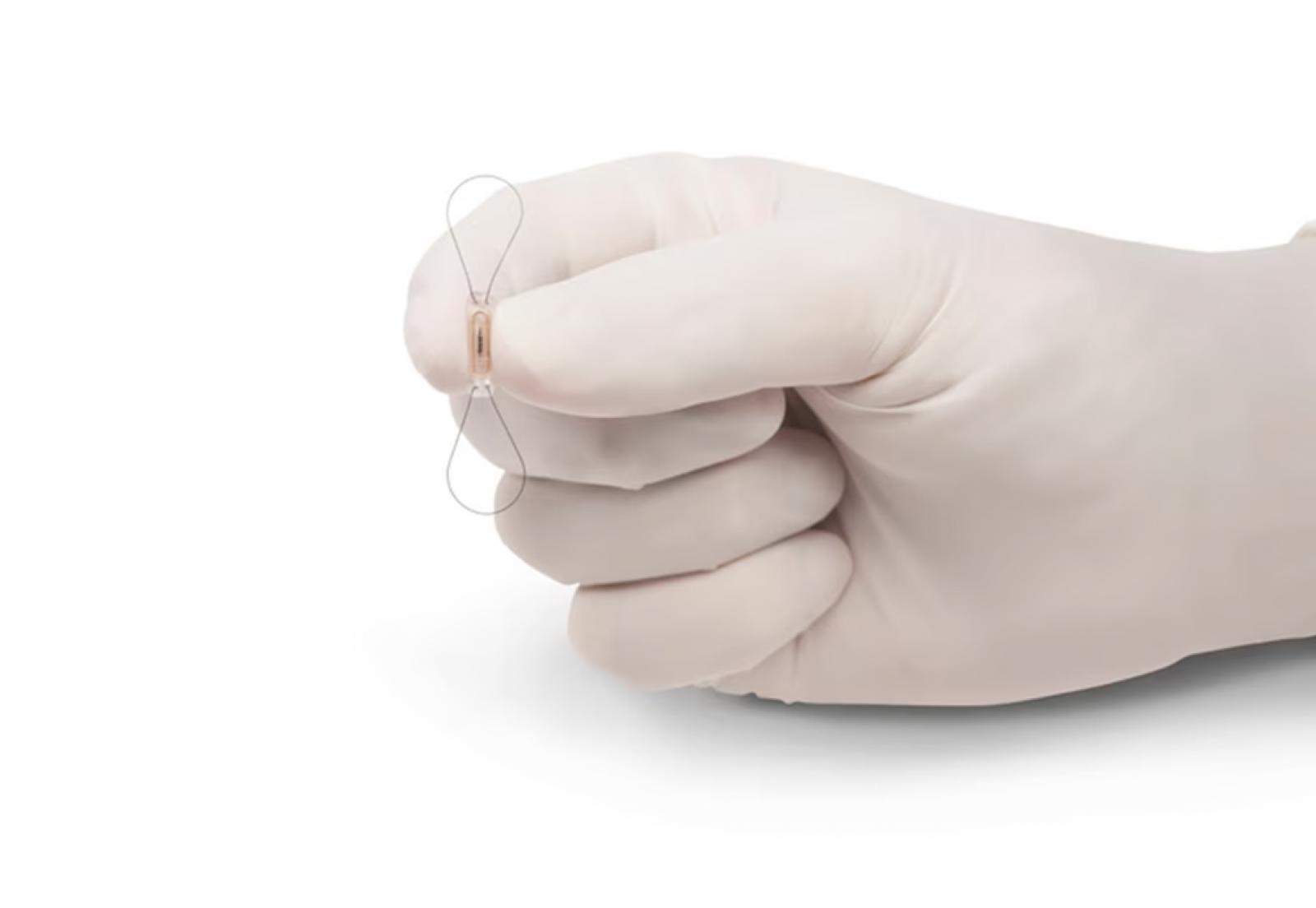

The National Institute for Health and Care Excellence has outlined how a wireless sensor the size of a paperclip can transform the lives of people with chronic heart failure, by allowing them to monitor their condition from home.
In final guidance released today, health officials confirmed that the remote monitoring technology could fundamentally change the management of chronic heart failure. By identifying early warning signs before a patient’s condition deteriorates, the device aims to prevent emergency admissions and ease the significant burden on the National Health Service.
The CardioMEMS device is a tiny sensor, roughly the size of a paperclip, which is implanted into the pulmonary artery via a minimally invasive procedure. Unlike traditional monitoring, which relies on patients noticing physical symptoms like breathlessness or swollen ankles, this system tracks internal pressure changes.
- Daily Monitoring: Patients lie on a "smart pillow" for a few minutes each day.
- Wireless Data: At the push of a button, the pillow captures pressure readings and sends them wirelessly to a clinical team.
- Early Intervention: Doctors can adjust medication (such as diuretics) remotely, stopping a "flare-up" before it requires a hospital bed.
Heart failure is one of the leading causes of hospitalisation in the UK, affecting approximately 920,000 people. Currently, the condition accounts for 1 million hospital bed days annually – roughly 2% of all NHS inpatient stays in England.
Dr Anastasia Chalkidou, NICE’s HealthTech Programme Director, said:
“This technology offers a real opportunity to improve care for people living with chronic heart failure. By enabling early detection of problems and timely medication adjustments, it has the potential to reduce emergency hospital admissions and help people manage their condition more effectively from the comfort of their own home.
"For patients and their families, this means fewer frightening trips to A&E and more time living their lives. For the NHS, it represents an innovative approach to managing a condition that places significant demands on hospital resources."
With the NHS spending an estimated £2 billion per year on heart failure, the majority of which is driven by emergency admissions, the adoption of CardioMEMS offers a dual benefit: improving patient quality of life and providing a cost-effective solution for overstretched hospitals.
The recommendation follows robust evidence from three randomised controlled trials. Data showed that patients using the CardioMEMS system saw a 34% reduction in heart failure-related hospitalisations compared to those receiving standard care.
The technology is specifically recommended for adults with chronic heart failure who have previously been hospitalised and remain at high risk of readmission.
This move aligns with the government’s 10 Year Health Plan, which emphasises the "shift" from hospital-based treatment to community-led, tech-enabled care.
By harnessing transformative technologies like CardioMEMS, the NHS aims to reduce the "revolving door" of emergency admissions, allowing patients to manage their health proactively while staying in their own homes.
Image credit: National Institute for Health and Care Excellence