

Victims and survivors of domestic abuse and sexual violence across England will receive improved support through the NHS under a major package of measures announced as part of the government’s forthcoming Violence Against Women and Girls Strategy. The reforms include up to £50 million to expand specialist, trauma‑informed care for child sexual abuse survivors nationwide.
The government describes the strategy as the largest crackdown on violence against women and girls in British history, mobilising the “full power of the state” to prevent abuse, protect victims and bring perpetrators to justice. The urgency is clear: one in every eight women experienced domestic abuse, sexual assault or stalking in the past year.
The NHS frequently encounters victims of abuse but has not always had the infrastructure to offer direct or consistent support. The new Steps to Safety initiative will change this by ensuring that every area of England has dedicated NHS referral services for women and girls affected by violence by 2029.
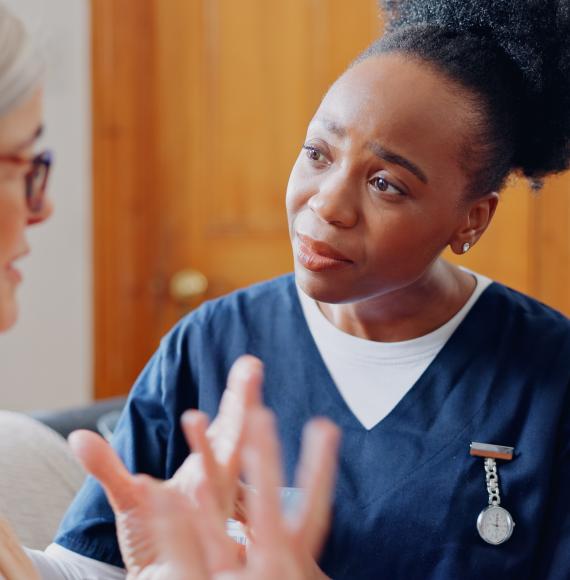
Patients will be linked to local specialist services through their GP, with dedicated training for practice staff across all regions so they can better identify signs of domestic and sexual abuse, respond safely, and support victims immediately.
A specialist support worker will also be assigned to groups of GP practices to help staff navigate cases and connect survivors with the right local organisations. This reform directly tackles the fragmented access to healthcare‑linked domestic abuse support that many victims currently face.
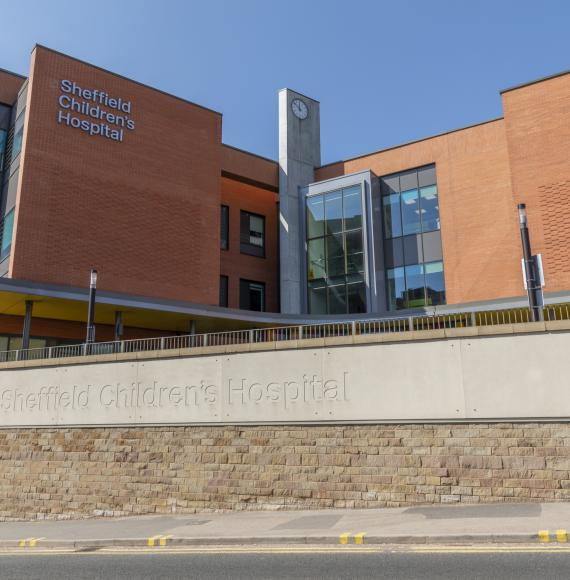
Alongside Steps to Safety, the strategy sets out a major expansion of the Child House model — a trauma‑informed, multi‑agency service designed specifically for child sexual abuse survivors. Backed by up to £50 million, Child Houses will be rolled out to all NHS regions in England.
Unlike generic services, Child Houses ensure children only need to tell their story once, in a safe environment with specialists trained in trauma, therapeutic care, advocacy and ongoing support. This eliminates the retraumatisation associated with sharing experiences repeatedly across different agencies.
Currently, England has only one Child House — The Lighthouse in North London. National expansion will tackle this inequality and fulfil Recommendation 16 of the Independent Inquiry into Child Sexual Abuse, which called for dramatically improved victim support.
Wes Streeting, Health and Social Care Secretary, commented:
“Victims and survivors of abuse need more than promises – they need change.
“No child should also face their darkest moment alone or be forced to relive their trauma repeatedly to multiple professionals.
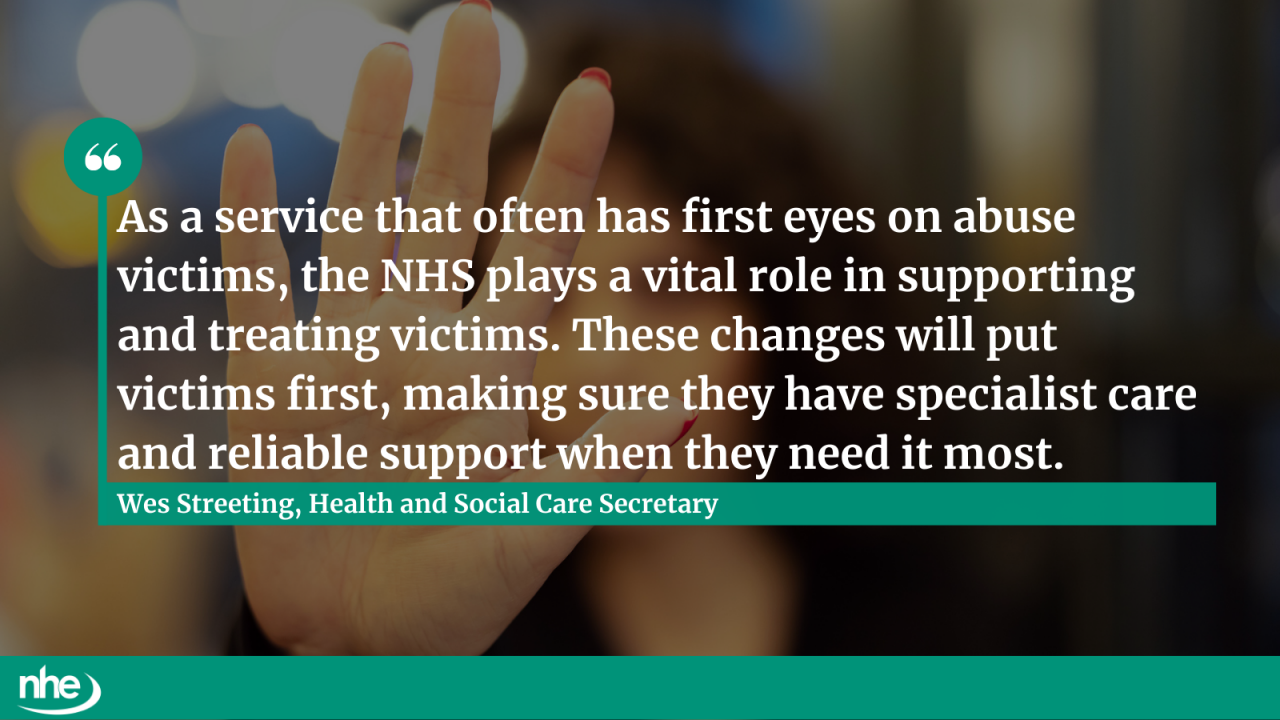
“As a service that often has first eyes on abuse victims, the NHS plays a vital role in supporting and treating victims. These changes will put victims first, making sure they have specialist care and reliable support when they need it most.
The VAWG Strategy also includes measures to:
- Prevent violence before it starts by challenging misogyny and promoting healthy relationships.
- Expand specialist rape and sexual assault units across every police force.
- Improve long‑term support for victims through stronger, better‑coordinated services.
The new initiatives come alongside substantial investment in other areas of victim support:
- £550 million into the Victims Support Fund.
- £20 million this financial year for specialist VAWG organisations.
- Appointment of Jess Asato MP as the government’s VAWG Adviser on health.
- Raneem’s Law, launched earlier this year, embedding domestic abuse specialists into 999 control rooms within the first five police forces.
- Over 1,000 victims protected through Domestic Abuse Protection Orders since last year’s rollout.
In the year to March 2025, around 3.8 million people aged 16+ experienced domestic abuse in England and Wales — a stark reminder of the scale of the challenge. The government says these NHS‑linked reforms will be critical in its mission to halve violence against women and girls, ensuring victims are recognised earlier and supported more consistently across the country.
Minister for Safeguarding and Violence Against Women and Girls Jess Phillips also said:
“This government has declared violence against women and girls a national emergency.
“For too long, these crimes have been considered a fact of life. That’s not good enough. We will halve it in a decade.
“This government is ensuring victims and survivors are better supported and given a chance to heal.”
By strengthening the NHS’s role in prevention, identification and long‑term care, the new initiatives aim to create a future in which survivors receive swift, compassionate, trauma‑informed support, and violence against women and girls becomes far rarer.
Image credit: iStock