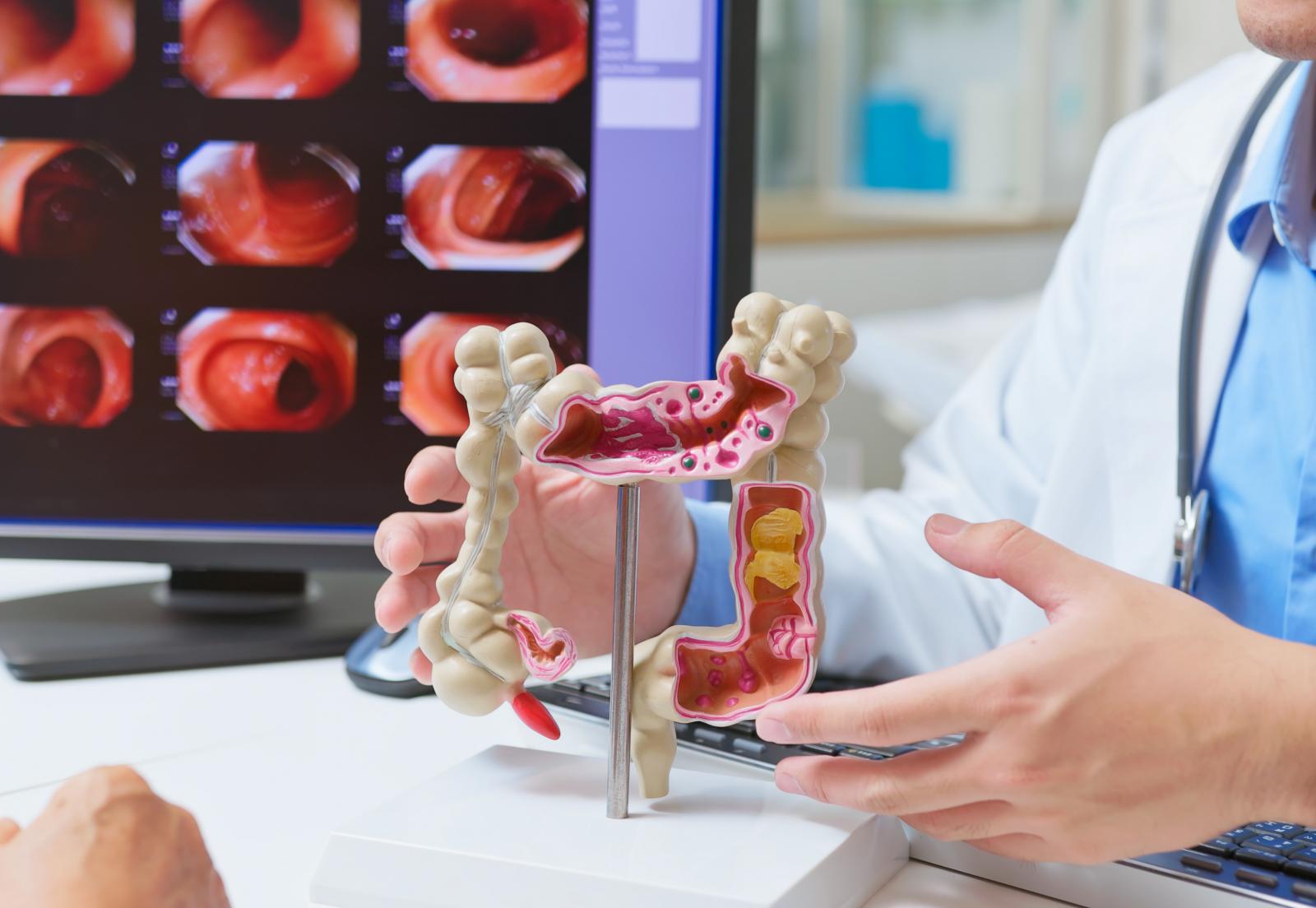

Thousands of cases of bowel cancer will be diagnosed earlier – or prevented altogether – under major NHS plans to increase the sensitivity of bowel cancer screening from next month. The move will see NHS England lower the trigger threshold for urgent testing following a home screening kit, meaning thousands more people with even smaller traces of blood in their sample will be checked swiftly.
The NHS estimates the change could detect around 600 additional bowel cancers early each year in England – an 11% increase – and identify a further 2,000 people with high‑risk polyps, enabling preventative treatment before cancer develops.
The faecal immunochemical test is offered to everyone aged 50 to 74 and checks for blood in a small stool sample, a potential sign of bowel cancer. By reducing the level at which blood triggers further investigation the NHS will provide 35% more screening colonoscopies each year to diagnose or rule out bowel cancer.
While most people who complete their test won’t need further checks, those who do can benefit from earlier intervention. Currently, around 2 in 100 participants require follow‑up; this is expected to increase to 3 in 100 with the lower threshold.
Bowel cancer is the third most common cancer in the UK for both men and women, but screening can catch it early, often before symptoms appear. Earlier diagnosis typically leads to simpler treatment, better recovery and improved survival. Once fully implemented, testing at the lower threshold is expected to reduce late‑stage diagnoses and deaths by around 6%, while preventing and detecting more cancers earlier will save the NHS an estimated £32 million a year.
For patients, nothing about the test itself changes. The FIT kit is completed at home by placing a small sample of poo into a provided tube and posting it back to the NHS lab for analysis. If the result meets the new, more sensitive threshold, patients will be invited for further investigation, typically a colonoscopy.
NHS England’s National Clinical Director for Cancer, Professor Peter Johnson, said:
“This is a major step forward in bowel cancer detection and will help save hundreds more lives from this devastating disease.
“Testing at a lower threshold will now provide a better early-warning system for bowel cancer, helping us to spot and treat cancers earlier, often picking up problems before symptoms appear.
“Earlier detection can mean less intensive treatment and ensures the best chance of survival, and in many cases people could avoid facing cancer altogether by having dangerous polyps removed before they cause harm.
“I would strongly encourage everyone who is sent a bowel screening test to complete it and return it as soon as possible – it really could make all the difference.”
From February, the NHS will roll out new digital alerts via the NHS App to let people know that a home testing kit is on its way, making it easier to complete the test promptly. Anyone who needs postal letters will continue to receive them.
The NHS introduced digital communications for cervical screening last year through a ‘ping and book’ service, with nearly 9 in 10 women now receiving invites and reminders digitally. The new functionality arrives as record numbers of people are using the NHS App.
The change follows a pilot across eight early‑adopting services, where closer coordination between screening and diagnostic teams helped more people get checked sooner. These early sites found and treated 60+ additional cancers and nearly 500 high‑risk polyps.
In line with UK National Screening Committee recommendations, the lower FIT threshold will be rolled out nationally by March 2028.
Last year, the NHS completed the expansion of bowel screening to everyone aged 50 to 74, with over 4 million more people invited since the rollout began in 2021. The NHS is urging everyone eligible to act promptly when their test arrives. Completing the test quickly can mean simpler treatment, faster recovery, or even avoiding cancer altogether.
Image credit: iStock