

The NHS has announced the first conditions to be treated by its revolutionary NHS Online hospital, set to launch in 2027.
The service will transform healthcare delivery by offering faster access to specialist care through the NHS App, video consultations, and remote monitoring – saving patients unnecessary trips to hospital.
Among the first conditions to be treated via NHS Online are:
- Women’s health issues such as severe menopause symptoms and menstrual problems linked to endometriosis or fibroids.
- Prostate problems, including prostate enlargement and raised PSA levels.
- Eye conditions like cataracts, glaucoma and macular degeneration. Other conditions include iron deficiency anaemia and inflammatory bowel disease.
Launched by the Prime Minister in September 2025, NHS Online is a cornerstone of the government’s 10 Year Health Plan, designed to make healthcare more personalised, convenient and equitable. Patients will always have the option of face-to-face appointments, but NHS Online aims to end the postcode lottery of care and make accessing treatment as easy as online banking.
The service is expected to deliver up to 8.5 million virtual appointments and assessments in its first three years – four times more than an average NHS trust.
Professor Stella Vig, NHS England’s National Clinical Director for Elective Care, said:
“The NHS’s new online hospital will see a huge shift in the way we deliver care, giving patients the option to have an online appointment with a specialist anywhere in England.
“We’ve selected nine common conditions which the NHS Online service will initially provide support for when it launches next year, including some women’s health issues as well as prostate problems.
“We know that these conditions can be painful and difficult to cope with so providing faster, more convenient access to diagnosis and treatments will have a real and positive impact on people’s lives.”
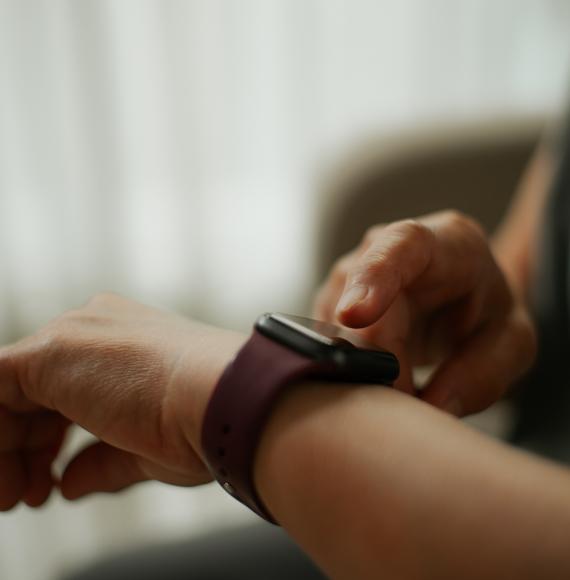
Patients referred by their GP will have the option to use NHS Online instead of waiting for an in-person appointment. Through the NHS App, they can, speak to doctors via video consultation, receive digital prescriptions and online test results, and be monitored remotely from home.
Tests and procedures will still take place at local healthcare sites, but clinicians will review notes and follow-up care digitally, streamlining the process and reducing waiting times.
The model builds on successful digital innovations already in place, including Moorfields Eye Hospital introducing an online referral system linking GPs and optometrists with eye specialists, as well as University Hospital Southampton cutting waiting times by 62% for gastroenterology patients using virtual follow-ups, reducing clinic visits by 66% and managing over 80% of patients digitally.
Image credit: iStock