
Thousands of patients with suspected brain tumours could receive a diagnosis significantly faster as the NHS expands a pioneering genomic testing pilot across England.
The world-first initiative is set to transform the way brain tumours are diagnosed, reducing waiting times from weeks to just days and enabling patients to begin treatment earlier.
The rapid genomic test analyses the DNA of tumour samples taken during surgery or biopsy, allowing clinicians to identify the precise type of brain tumour far more quickly than traditional laboratory methods. The technology could prove particularly valuable given the complexity of brain tumours, with more than 100 different types identified, ranging from slow-growing conditions to highly aggressive cancers.
In some cases, the test can even deliver results to surgeons while an operation is still taking place. This provides critical information about the tumour's genetic profile, helping surgical teams determine how much tumour can be safely removed while minimising damage to healthy brain tissue.
For patients, the benefits extend beyond faster diagnosis. Earlier identification of tumour type can accelerate access to radiotherapy, chemotherapy and specialist clinical trials, many of which require detailed genetic information before patients can be enrolled.
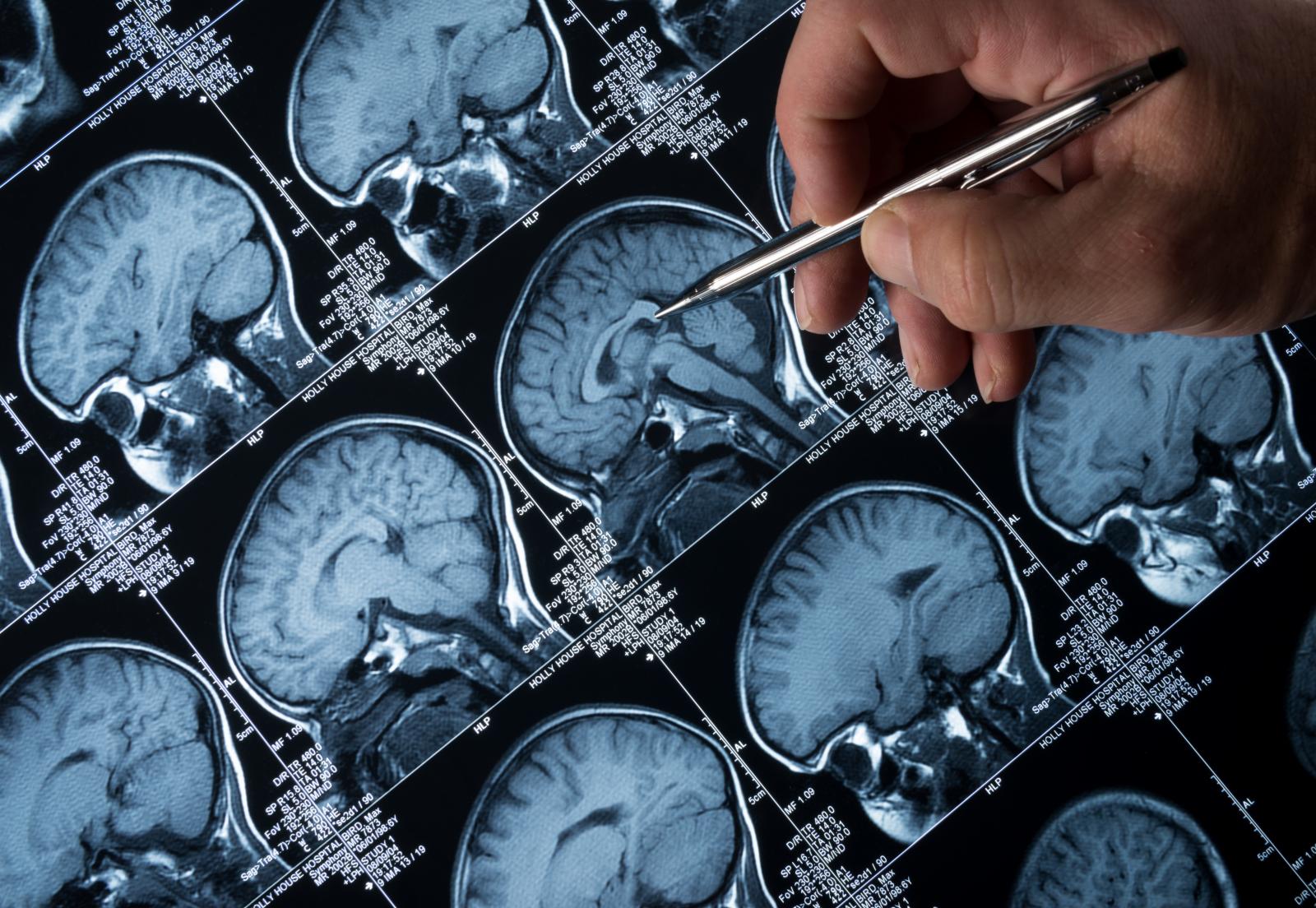
Currently, the diagnostic pathway for brain tumours involves MRI and CT imaging followed by pathological analysis of tissue samples. This process can often take several weeks before a definitive diagnosis is confirmed.
The new genomic sequencing approach dramatically shortens that timeline. During a recent procedure at Nottingham University Hospitals, a tumour sample was sequenced in around 20 minutes, with surgeons receiving an initial classification of the tumour less than two hours after the sample reached the laboratory.
More detailed molecular analysis was then completed within days, offering clinicians a much faster route to informed treatment decisions.
Professor Frankie Swords, NHS medical director, said:
“For people with suspected brain tumours, getting the right diagnosis quickly can feel like a race against time, while waiting weeks for answers can be agonising for them and their families.
“This remarkable rapid test has the potential to completely transform how we diagnose brain tumours, with results reaching patients in a matter of days rather than weeks.
“This is a huge leap forward for patients – a faster diagnosis means they can start the right treatment or access clinical trials sooner, while for some patients it could mean surgeons can make potentially life-changing decisions about their surgery while on the operating table.”
The NHS England pilot builds on successful trials already taking place in Nottingham and Birmingham. The first phase will see the technology introduced at five specialist centres:
- University Hospitals Birmingham NHS Foundation Trust
- Nottingham University Hospitals NHS Trust
- Great Ormond Street Hospital for Children NHS Foundation Trust
- King's College Hospital NHS Foundation Trust
- Newcastle Hospitals NHS Foundation Trust
A second phase will expand testing capabilities to additional genomic laboratory sites in Bristol, Oxford, Leeds and Manchester.
The programme forms part of the newly established Brain Cancer NHS Genomic Network of Excellence, supported by more than £2 million of NHS England investment over two years.
The network is clinically led from Birmingham with scientific leadership from Nottingham and brings together neurosurgical teams, pathology services and the NHS Genomic Medicine Service. Its aim is to establish a standardised national approach to genomic brain tumour testing and generate evidence for wider NHS adoption.
Brain tumours remain one of the most challenging cancers to diagnose and treat. Around 13,000 people in the UK are diagnosed with a primary brain tumour each year, and brain tumours remain the largest cancer killer of children and adults under 40.
The rapid genomic testing programme aligns with priorities set out in England's National Cancer Plan, which focuses on accelerating innovation, expanding access to genomic medicine and improving early diagnosis.
For NHS leaders and healthcare professionals, the initiative represents a major step forward in precision medicine, demonstrating how genomic technologies can improve clinical decision-making, enhance patient experience and potentially improve outcomes for some of the most complex cancers.
Image credit: iStock