
A major new national study led by Alder Hey Children’s NHS Foundation Trust is set to reshape how recurrent ear infections in young children are treated across the UK. Backed by £1.7 million in funding from the National Institute for Health and Care Research (NIHR), the RABBIT trial represents the first large-scale NIHR-funded paediatric Ear, Nose and Throat research study of its kind.
The trial will investigate whether long-term antibiotic treatment can provide a more effective and consistent solution for children under eight who experience repeated ear infections, an issue that affects thousands of families every year.
Addressing a Common but Inconsistently Managed Condition
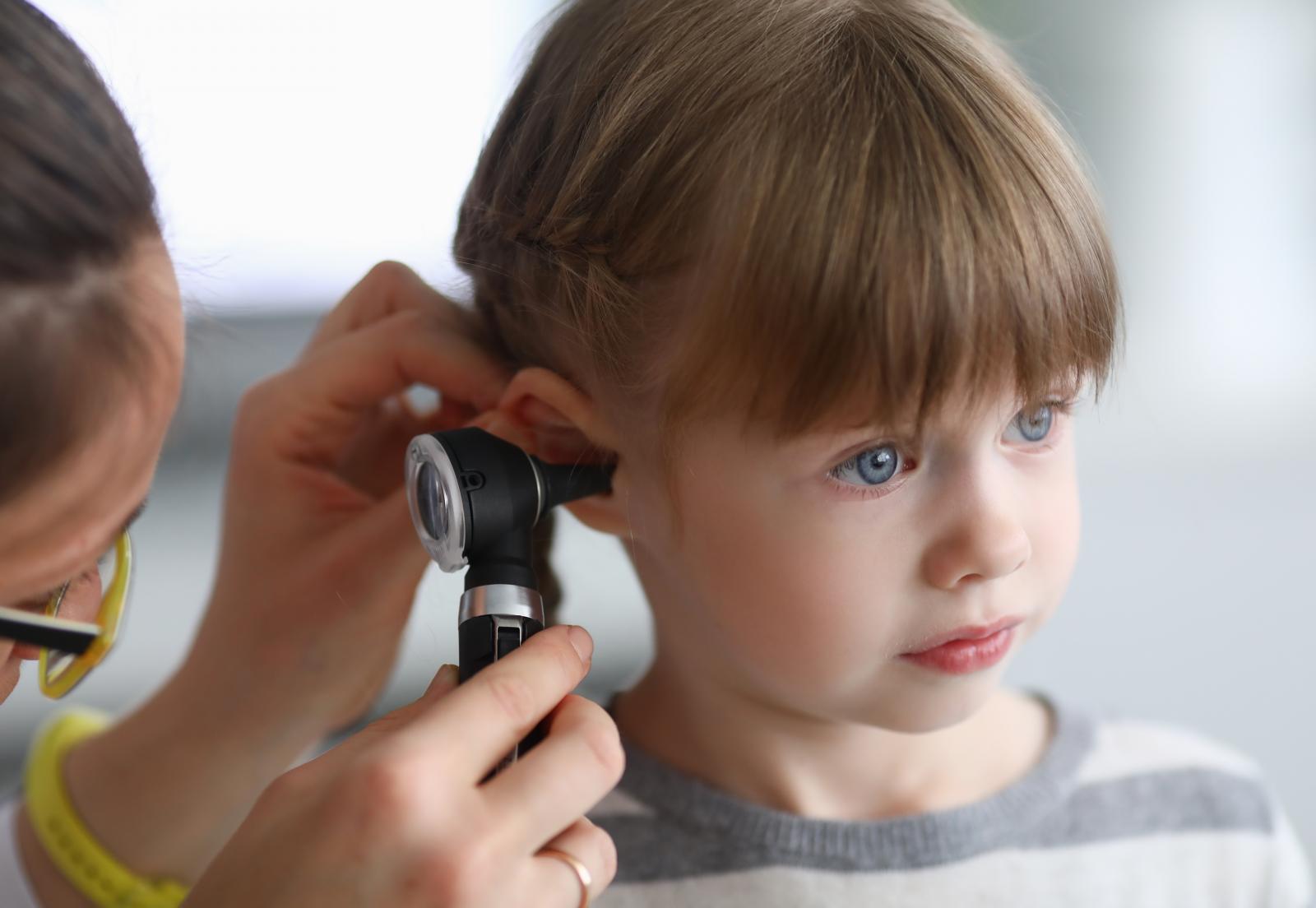
Ear infections remain one of the most frequent reasons for GP visits and hospital attendances among young children. For those experiencing recurrent episodes, the impact can be significant – chronic pain, sleep disruption, hearing loss, missed education, and wider developmental challenges including speech and language delay.
Despite the prevalence of the condition, treatment pathways vary widely across the UK. Current approaches typically include:
- Repeated short courses of antibiotics
- Watchful waiting to allow natural resolution
- Surgical intervention through grommet insertion
While grommet surgery can be clinically effective, it brings additional pressures for NHS services and families alike, including hospital admissions, anaesthesia risks, and recovery periods.
The RABBIT Trial: A First-of-Its-Kind Study
Alder Hey will act as both sponsor and host for the RABBIT trial, which will involve 26 research centres across the UK. Recruitment is due to begin in October 2026, with participant enrolment taking place over two years, followed by a 12-month monitoring period.
The trial will compare three treatment approaches:
- Two types of antibiotics administered over a three-month period
- A monitoring-only approach to observe natural resolution
The study emerged from collaboration between ENT clinicians and infectious disease specialists nationwide, highlighting a clear gap in robust clinical evidence around long-term antibiotic use in children with recurrent infections.
Potential to Influence National and Global Practice
If long-term antibiotics prove effective, they could become a first-line treatment delivered in primary care, reducing reliance on surgical interventions and easing pressure on secondary care services. This would not only cut NHS costs but also improve accessibility and convenience for families.
Conversely, if the trial demonstrates limited benefit, it will provide equally valuable evidence to prevent unnecessary prescribing – supporting antimicrobial stewardship efforts and improving clinical decision-making.
Co-Designed With Families
A defining feature of the RABBIT trial is its co-design with patients, families, and Alder Hey’s youth forum. Feedback from families has shaped the study’s priorities, with reducing infection frequency identified as the most important outcome.
The research aligns closely with Alder Hey’s 2030 vision to ensure every child can reach their full potential, reflecting a broader commitment to evidence-based, patient-centred care.
Mr Sunil Sharma, Chief Investigator for the trial and Clinical Director for ENT Surgery and Audiology at Alder Hey, underlined the importance of the study:
“This is an incredibly important study for children and families dealing with recurrent ear infections. There is currently significant variation in treatment approaches and a lack of strong evidence to guide care. By bringing together expertise from ENT and infectious disease specialists across the country, we hope this trial will provide clear answers about the most effective treatment approach and ultimately improve quality of life for our children. We are proud that Alder Hey is leading and hosting this study, the first time the NIHR have funded a large grant for paediatric ENT and this recognises the strength of the research team working to make a real difference for children and young people.”
Image credit: iStock