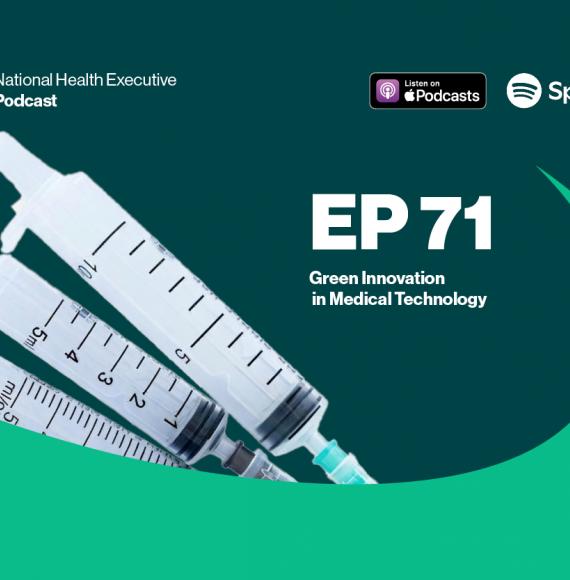

In this episode of the National Health Episode, we delve into a critical issue facing the NHS: waste management. With the NHS being the largest publicly funded health service globally, the magnitude of waste it generates is staggering. Each year, the NHS produces approximately 600,000 tonnes of waste, with 156,000 tonnes classified as clinical waste. This waste not only impacts the environment but also contributes significantly to the NHS's carbon footprint, accounting for 66% of it.
Our discussion begins with the alarming figures surrounding NHS waste, highlighting the urgent need for a shift in mindset towards a circular economy. Instead of the traditional 'use it once and throw it away' approach, we explore innovative solutions that can pave the way for a more sustainable healthcare system. Experts in the field share insights into smarter supply chains, remanufacturing practices, and the practical steps clinicians can take to eliminate waste without compromising patient care.
One of the key takeaways from the episode is the introduction of the NHS Clinical Waste Strategy in 2022, which aims to improve waste segregation and treatment pathways. By focusing on education and behavioural change, NHS trusts can significantly reduce waste and carbon emissions. For instance, the strategy aims for a 50% reduction in waste-related carbon by 2030, and early data suggests that some trusts are already making strides towards this target.
We also discuss the role of suppliers in this journey. The NHS spends a staggering £700 million annually on goods and services, and the push for sustainability means that suppliers must align with the NHS's goals. By mandating that suppliers have their own net-zero targets and carbon reduction plans, the NHS can ensure that every purchase contributes to a greener future.
As we wrap up the episode, our experts emphasise the importance of data in driving change. Understanding waste streams and implementing effective waste management practices can lead to significant improvements in sustainability. The message is clear: by working together and adopting a circular economy mindset, we can transform the NHS into a more sustainable healthcare system.