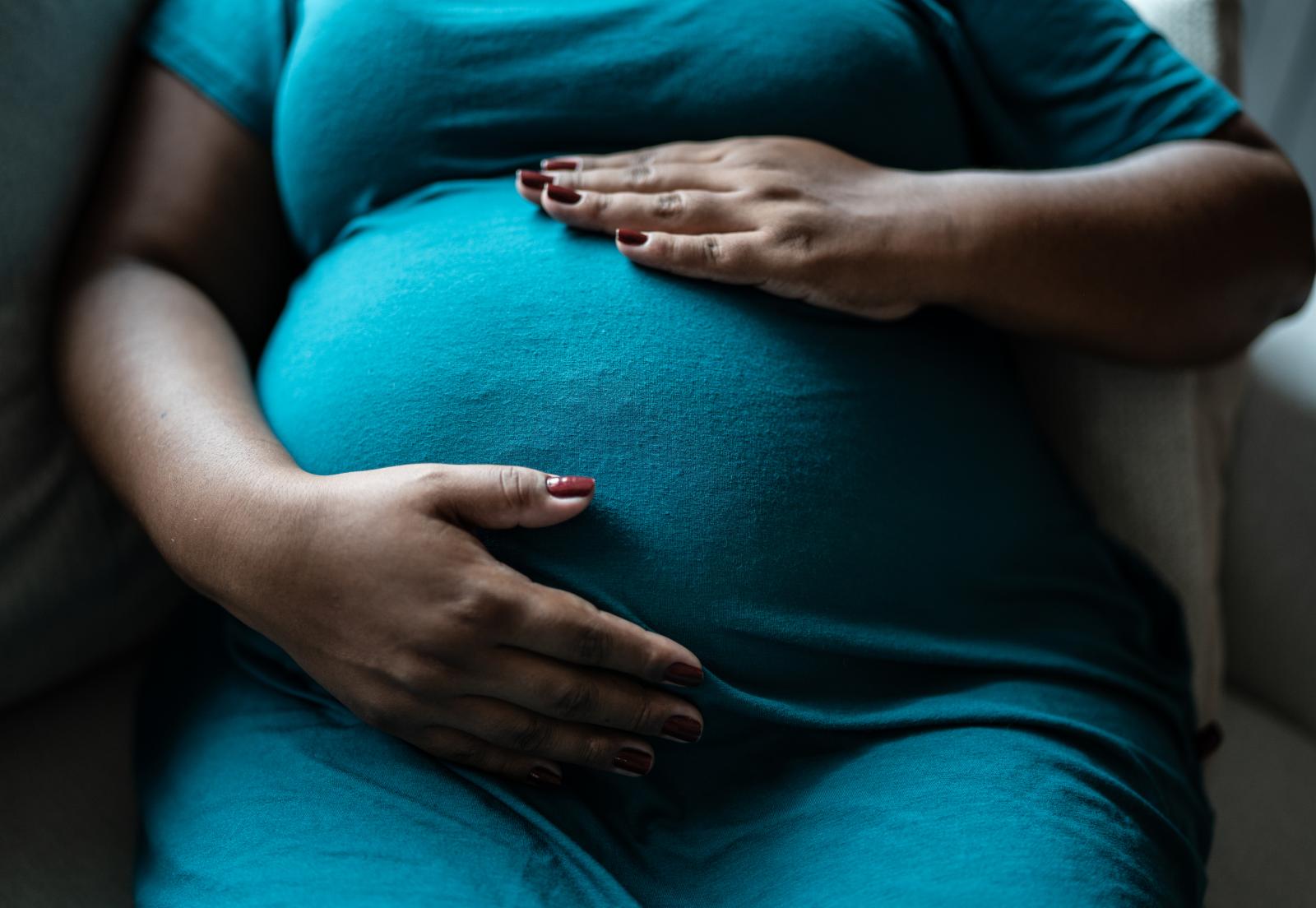

The Royal College of Physicians has called for urgent, system‑wide action to improve maternal health, warning that one in four pregnant women in England is now living with obesity.
In a new policy view on maternal health and obesity, the RCP says rising obesity rates are increasing risks for mothers and babies, placing growing pressure on maternity services and deepening existing health inequalities.
Obesity during pregnancy is linked to significantly higher rates of:
- Gestational diabetes
- Pre‑eclampsia
- Caesarean birth
- Postpartum haemorrhage
The risks can be fatal. According to the MBRRACE‑UK Confidential Enquiry into Maternal Deaths (2021–24), 64% of women who died during pregnancy or within six weeks of birth were living with overweight or obesity.
The RCP warns that maternal obesity rates are highest in the most deprived communities, reinforcing entrenched inequalities in health outcomes.
The College highlights emerging evidence linking maternal obesity to increased risks for children later in life, including cardiometabolic disease and other adverse health outcomes. These long‑term impacts risk compounding inequality across generations, making early and sustained intervention critical.
The RCP said increasing rates of maternal obesity are placing additional strain on maternity services, contributing to avoidable harm and complicating pregnancy care.
The RCP’s policy briefing calls for coordinated action across seven key areas:
- Tackling wider determinants of health, including transforming food systems and strengthening prevention to stop obesity before pregnancy
- Improving pre‑pregnancy education, including awareness of how obesity affects reproductive health
- Embedding compassionate, inclusive obesity care into healthcare training
- Better integration between maternity services, weight‑management services and primary care
- Targeted local action to address inequalities in the most affected communities
- Stronger data and surveillance to monitor maternal and infant outcomes linked to obesity
- Increased research investment into the safety and long‑term effects of obesity treatments during pregnancy
RCP Special Adviser on Obesity, Dr Kath McCullough, said:
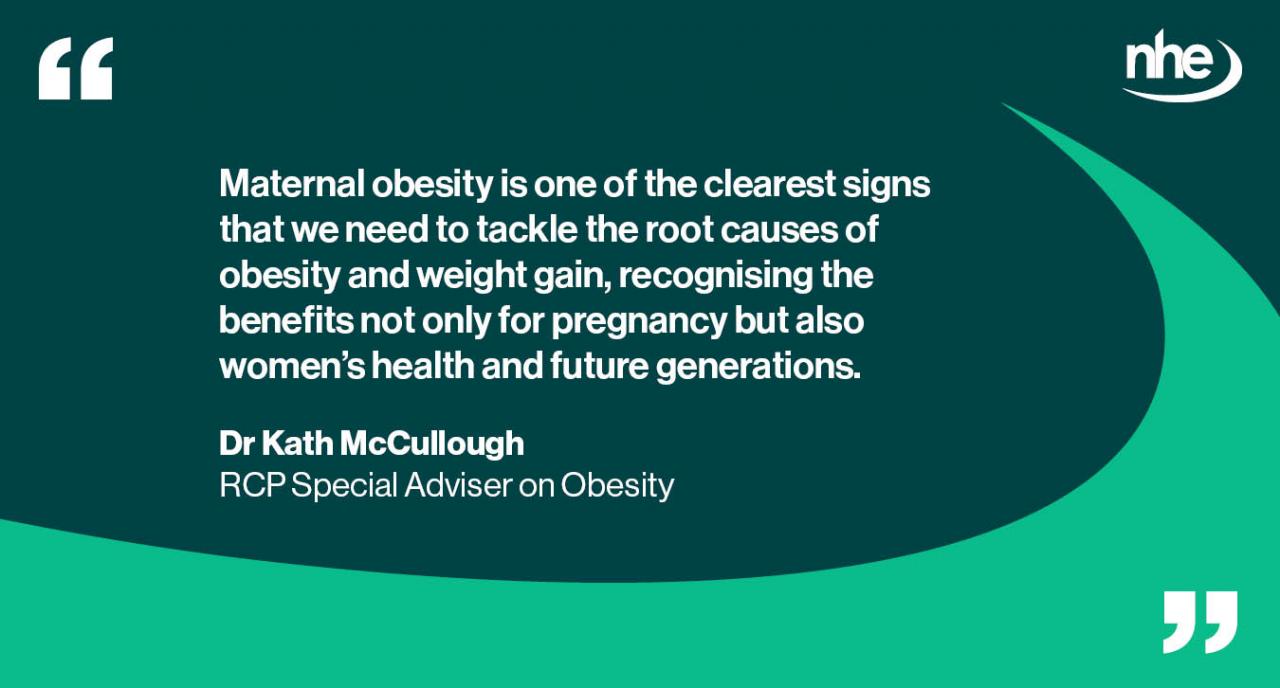
“Maternal obesity is one of the clearest signs that we need to tackle the root causes of obesity and weight gain, recognising the benefits not only for pregnancy but also women’s health and future generations. We know that obesity is driven by inequality, poverty and environments that make healthy choices harder every day.
“We need bold, joined-up action across the system - from food policy and education to healthcare services, professional training and research to better prevent obesity in the first place and better support women living with obesity in the pre- and postnatal periods. Getting this right would transform outcomes for families and deliver lasting benefits for the NHS.”
The RCP also emphasised the need for non‑judgemental, person‑centred approaches that support women before, during and after pregnancy, ensuring care pathways are joined up and accessible.
Without coordinated action, the College warns, maternal obesity will continue to drive poorer outcomes for women and children and increase pressure on already stretched maternity services.
Image credit: iStock