
At least 1,000 additional defibrillators, alongside new community support measures, will be deployed across Scotland to improve cardiac arrest survival rates in areas with the poorest outcomes, the Scottish Government has announced.
First Minister John Swinney confirmed a £2.5 million investment over three years to boost community capacity to respond to out‑of‑hospital cardiac arrests – where rapid intervention is often the difference between life and death.
Each year, around 3,700 people in Scotland experience a cardiac arrest outside hospital. Early CPR and access to a defibrillator significantly increase the chances of survival.
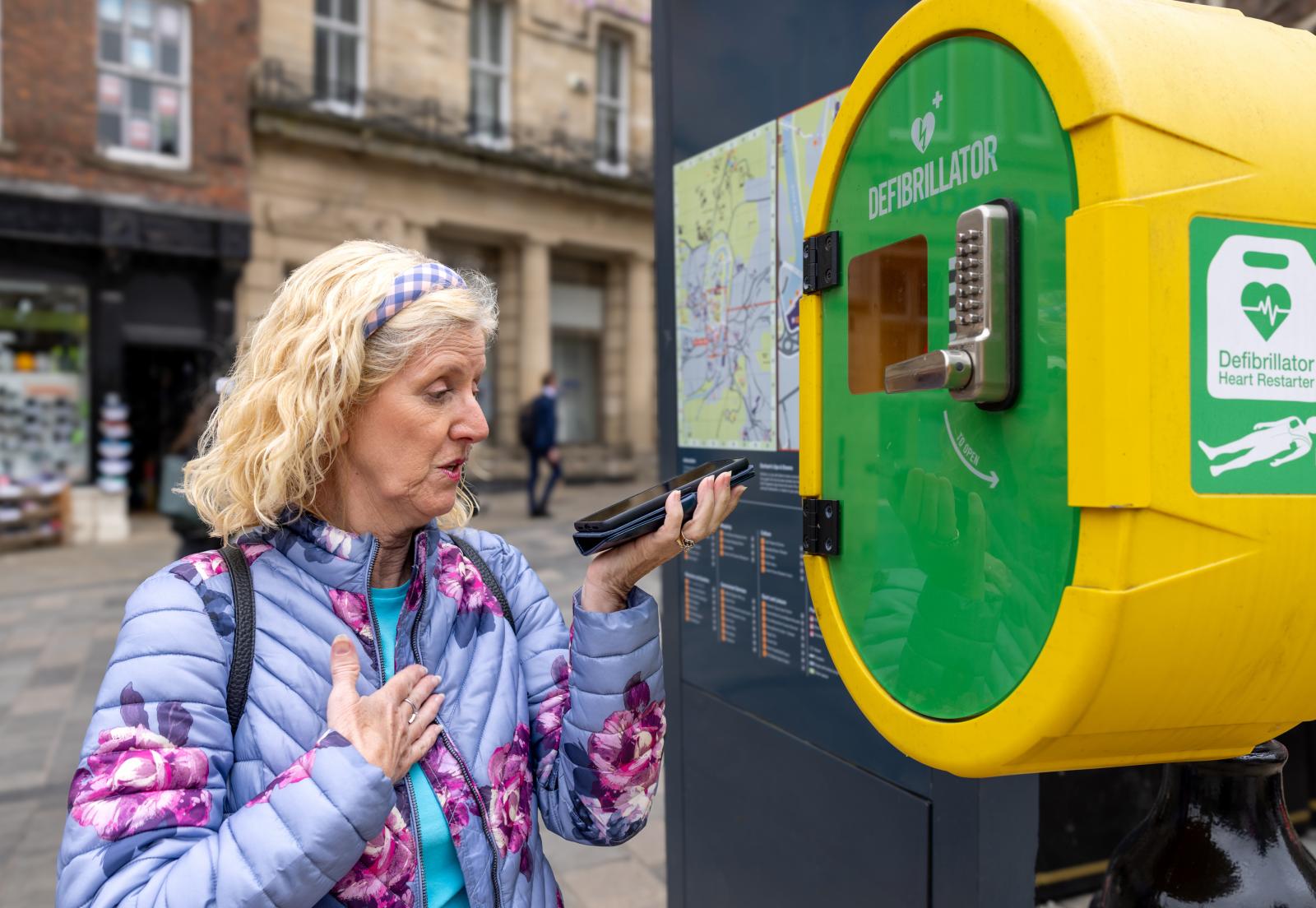
The investment will fund between 1,000 and 1,250 new defibrillators, which will be placed in communities where data shows survival rates are lowest and device coverage is limited.
These locations may include:
- Neighbourhoods experiencing high levels of inequality
- Rural and remote areas with long ambulance response times
- Public spaces with high footfall but limited life‑saving equipment coverage
Defibrillators can restart the heart before emergency services arrive, making a crucial difference during the critical first minutes of a cardiac arrest.
The funding package includes the creation of Cardiac Arrest Rescue Zones, which will focus on strengthening the community response through increased CPR training in schools, public awareness initiatives, and locally tailored support measures.
Areas facing the greatest inequalities will be prioritised.
To help people living far from emergency services, the funding will support the creation of first responder networks capable of reaching cardiac arrest victims quickly in remote and rural locations.
These networks may include trained volunteers equipped with defibrillators, who can provide immediate support while awaiting an ambulance.
The Scottish Government will also promote and increase uptake of the GoodSAM app, which is supported by the Scottish Ambulance Service.
GoodSAM alerts trained volunteers when a nearby cardiac arrest occurs, allowing them to provide life‑saving CPR or defibrillation before emergency responders arrive.
The First Minister met Scottish Ambulance Service staff and cardiac arrest survivor John Sinclair, who received CPR from a GoodSAM responder – highlighting the life‑saving potential of community‑based intervention.
The Scottish Government says the investment will support its ambition to improve Scotland’s cardiac arrest survival rates by ensuring:
- More defibrillators in the right places
- More people equipped with CPR skills
- Faster first responses in remote areas
- Better integration between communities and emergency services
First Minister John Swinney commented:
"Surviving a cardiac arrest often depends on what happens in the minutes before an ambulance arrives. That is why we are investing £2.5 million to deliver more defibrillators into communities, strengthen local response networks and ensure more people have the skills and confidence to act.
"Survival rates following out-of-hospital cardiac arrest have increased since 2015 thanks to the work of Save a Life partners in training more than one million people in CPR skills and improving defibrillation rates. We can and must, however, do more - and this investment will deliver targeted support in the areas that need it most.
"We will work towards ensuring there is a defibrillator within reach of every incident, using evidence to identify the best locations and modes of delivery. We are determined to build a Scotland where everyone, regardless of where they live, has the best possible chance of surviving a cardiac arrest and can live healthier, longer lives."
With targeted support in the regions that need it most, the initiative aims to save lives, reduce health inequalities and build resilient, empowered communities.
Image credit: iStock