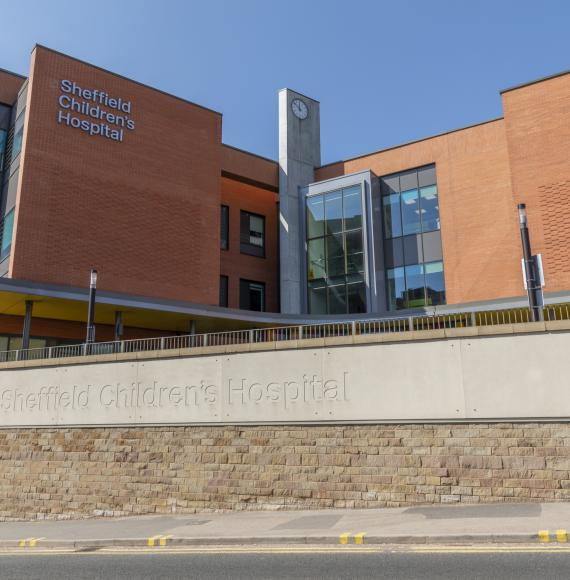


A major new research programme aimed at tackling health inequalities and improving health outcomes for people from Black communities has been launched at Sheffield Teaching Hospitals NHS Foundation Trust.
The Improving Black Health Outcomes (IBHO) BioResource is being led nationally by the NIHR BioResource and will create a dedicated research resource focused on understanding how health conditions affect people from Black ethnic minority backgrounds across the UK. The programme is designed to increase participation from Black communities in genetic health research, helping researchers build a more accurate understanding of disease and ultimately improve patient care.
One of the key aims of the initiative is to address the longstanding underrepresentation of Black communities in medical and genomic research. By expanding diversity among research participants, scientists will gain greater insight into how genetics and environmental factors interact to influence health, enabling more personalised and effective treatments in the future.
Through an initial partnership with Genomics England, around one-third of the first 7,000 participants recruited to the programme will be people living with sickle cell disease. The condition, which disproportionately affects Black communities, remains significantly under-researched despite its impact on thousands of people across the UK. The partnership will help ensure that the experiences of people affected by sickle cell disease are better reflected in health and care research, while supporting the development of improved treatments and standards of care.
The programme is open to anyone aged 16 and over from Black ethnic backgrounds. It is also open to people living with sickle cell disease or thalassaemia, regardless of their age or ethnicity.
Participants are invited to provide a small blood or saliva sample for genetic analysis and complete a health and lifestyle questionnaire. Together, this information will help researchers build a clearer picture of how genetic and environmental factors combine to influence health and disease. Volunteers will also have the option to be contacted about future studies that may require additional participation.
In Sheffield, delivery of the study is being supported by the NIHR Clinical Research Facility: Sheffield, further strengthening the region's role in nationally significant health research.
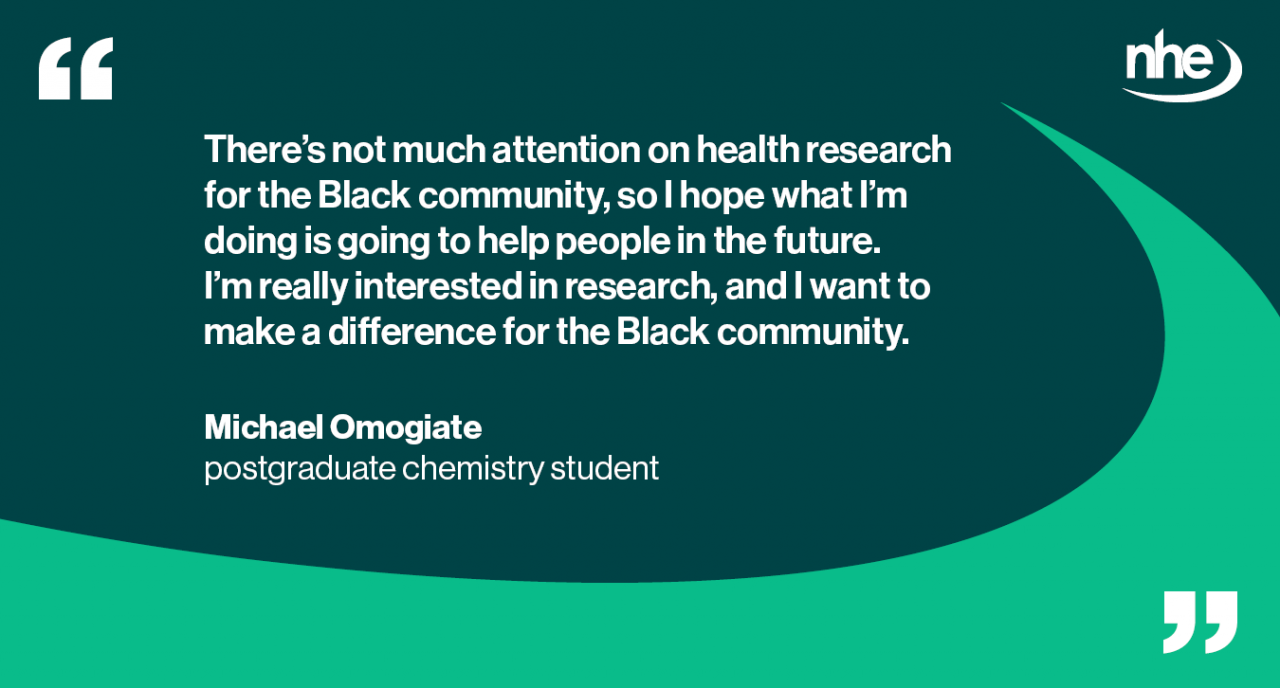
Among those already taking part is Michael Omogiate, a 26-year-old postgraduate chemistry student at Sheffield Hallam University, who said he wanted to contribute to research that could benefit future generations. He said:
“There's not much attention on health research for the Black community, so I hope what I’m doing is going to help people in the future. I’m really interested in research, and I want to make a difference for the Black community.”
The IBHO initiative forms part of a wider portfolio of programmes led by the NIHR BioResource, which is funded by the National Institute for Health and Care Research (NIHR). The BioResource connects scientists and healthcare researchers with genetic, clinical and lifestyle data provided by volunteers, helping to accelerate medical discoveries, improve research efficiency and bring new treatments to patients faster.
Image credit: iStock