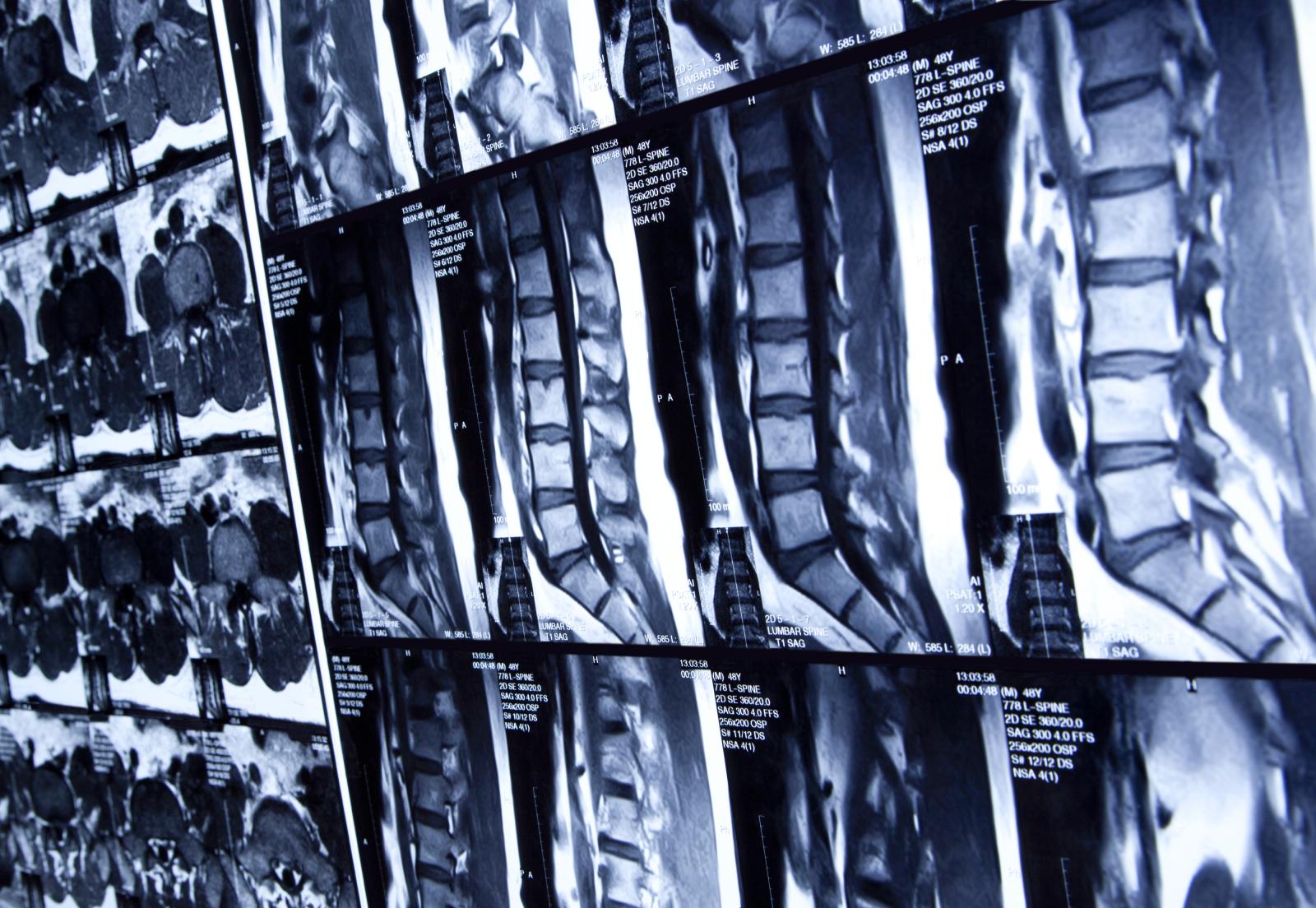

Hidden spine fractures, affecting around 2.2 million people in the UK, could be detected earlier thanks to new draft guidance from NICE, which recommends adding a vertebral fracture assessment to routine bone scans.
Currently, 70% of spine fractures caused by osteoporosis go undiagnosed, as they often present no obvious symptoms initially. Adding a quick spine check during dual-energy X-ray absorptiometry (DXA) scans takes just a few minutes and could prevent significant pain and disability later in life.
Early detection means doctors can offer bone-strengthening treatments to reduce the risk of further fractures, helping maintain independence and quality of life.
The draft guideline, now open for consultation, advises healthcare practitioners to consider offering VFA during DXA scans for people aged 50 and over. Evidence shows this is cost-effective, as it can be performed on the same scanner during the same visit.
Key recommendations include:
- DXA scans should be offered automatically to people with a previous hip or vertebral fragility fracture, or two or more fragility fractures, without requiring a risk assessment tool.
- People at risk are usually assessed using FRAX or QFracture, and those with a risk score of 10% or more are offered DXA scans.
NICE’s Centre for Guidelines Interim Director, Eric Power, said:
"Vertebral fractures can have a devastating impact of people’s quality of life. Introducing vertebral fracture assessments during routine bone density scans will help healthcare professionals get the right care to people sooner.
“Osteoporosis affects millions in England and this guidance will help healthcare professionals target care towards those people at highest risk, improving their quality of life while making efficient use of NHS resources."
Osteoporosis affects 3.5 million people in the UK, including 2.95 million in England, and causes around 549,000 fragility fractures annually, including 105,000 hip fractures and 86,000 vertebral fractures.
The updated guidance coincides with the NHS rollout of 13 new DXA scanners, enabling an extra 29,000 scans per year to improve early diagnosis and treatment.
Image credit iStock