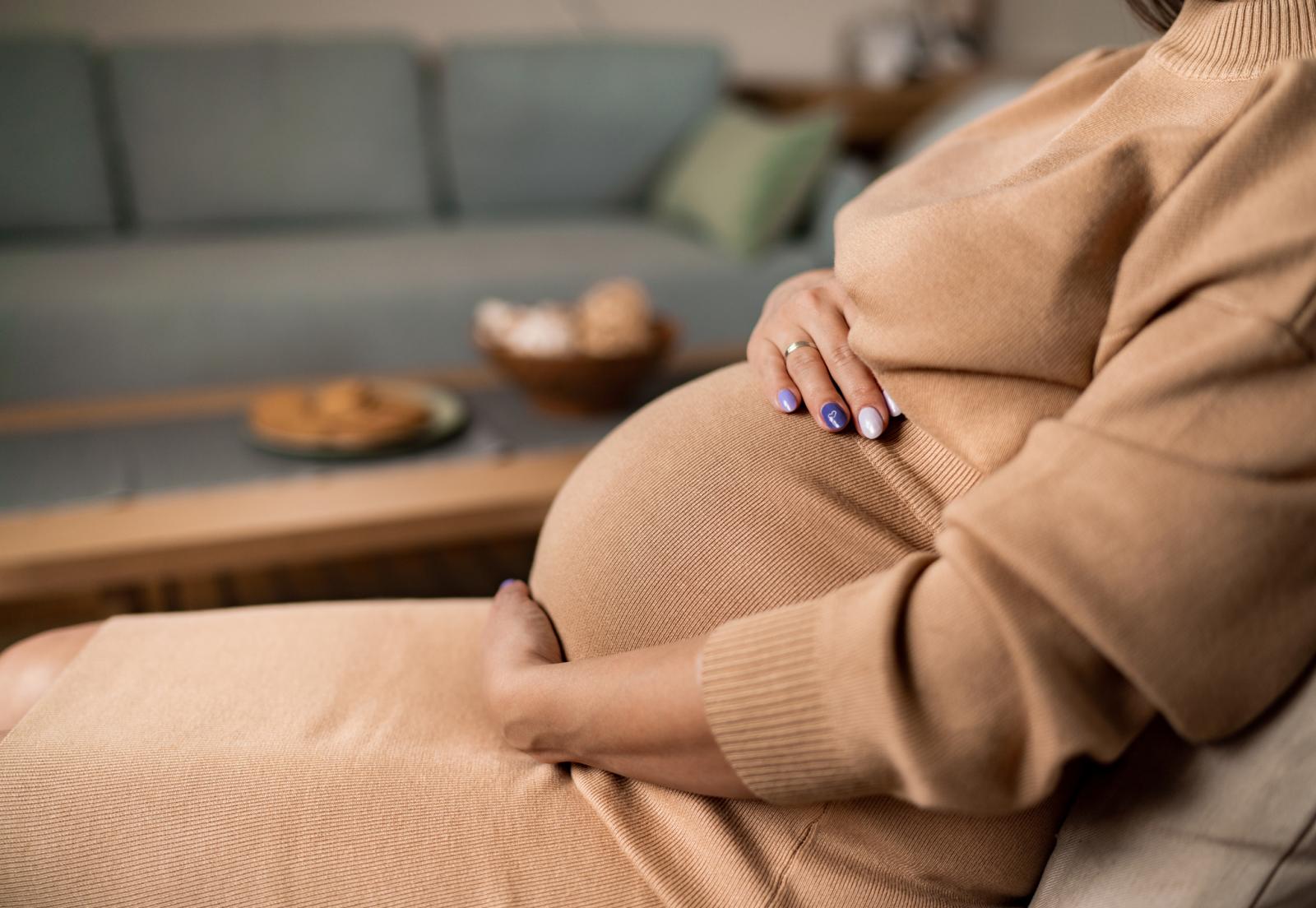

Taking paracetamol during pregnancy does not increase the risk of autism, attention‑deficit hyperactivity disorder or intellectual disability in children, according to the most robust analysis of the evidence to date.
The findings come from a systematic review and meta‑analysis of 43 studies, published in The Lancet Obstetrics, Gynaecology & Women’s Health, and led by researchers from City St George’s, University of London. The review was conducted in response to widespread public concern following claims made in September 2025 suggesting paracetamol use in pregnancy could affect child neurodevelopment.
Earlier studies had reported small associations between prenatal paracetamol exposure and autism risk. However, researchers say many of those studies were vulnerable to bias, relying on limited data sources and often failing to account for important family‑related factors such as genetics and shared environment.
To address these limitations, the research team focused on high‑quality studies with rigorous methodologies, including sibling‑comparison studies. These compare siblings born to the same mother, where one pregnancy involved paracetamol exposure and another did not – a design that helps control for shared genetics, family environment and long‑term parental characteristics.
Across the sibling‑comparison analyses, data covered 262,852 children assessed for autism, 335,255 for ADHD, and 406,681 for intellectual disability. When pregnancies involving paracetamol were compared with those without exposure, there was no evidence of an increased risk of any of the neurodevelopmental conditions studied.
All included studies were assessed for quality using the Quality in Prognosis Studies (QUIPS) tool, which evaluates potential bias in study design and execution. Crucially, the absence of any association between paracetamol use and neurodevelopmental outcomes remained consistent in studies judged to be at low risk of bias and those with longer follow‑up periods of more than five years.
The authors noted that a limitation of the available evidence was the inability to analyse smaller sub‑groups based on the timing of paracetamol use during pregnancy, the sex of the baby, or the frequency of use, as too few studies reported this level of detail.
Professor Asma Khalil, Consultant Obstetrician and Professor of Obstetrics at City St George’s, commented:
“Our findings suggest that previously reported links are likely to be explained by genetic predisposition or other maternal factors such as fever or underlying pain, rather than a direct effect of the paracetamol itself.
“The message is clear – paracetamol remains a safe option during pregnancy when taken as guided.”
Overall, the findings support longstanding guidance from major medical organisations worldwide, which recommend paracetamol as the first‑line pain relief option during pregnancy when clinically appropriate. The researchers say the review should provide reassurance to expectant parents, warning that avoiding paracetamol for significant pain or fever – particularly untreated maternal fever – carries known health risks for both mother and baby.
Commenting on the study, MHRA Chief Safety Officer Dr Alison Cave said:
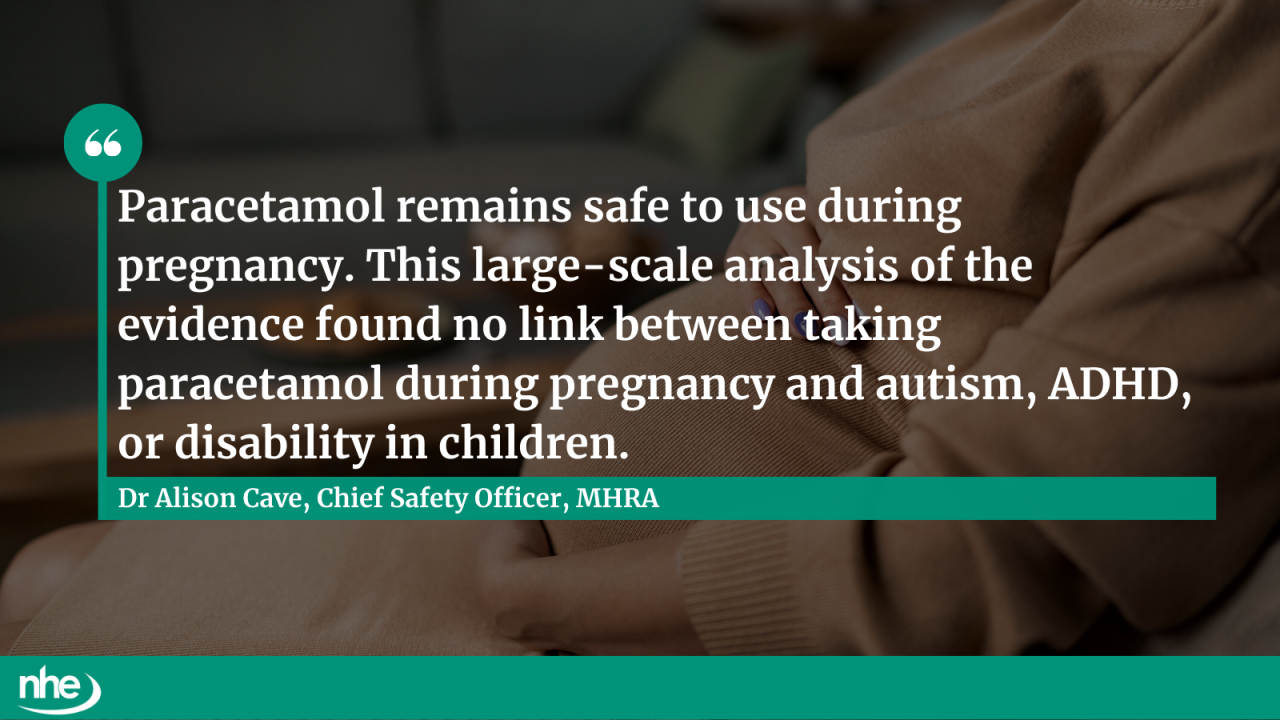
“Paracetamol remains safe to use during pregnancy. This large-scale analysis of the evidence found no link between taking paracetamol during pregnancy and autism, ADHD, or disability in children.
“Paracetamol has been used for many years and is the recommended first choice for treating pain or fever during pregnancy. When taken as directed, it is safe and effective.
“As with all medicines, pregnant women should speak to their doctor, pharmacist or midwife if they have any questions, and follow the guidance provided with the medicine.”
Image credit: iStock