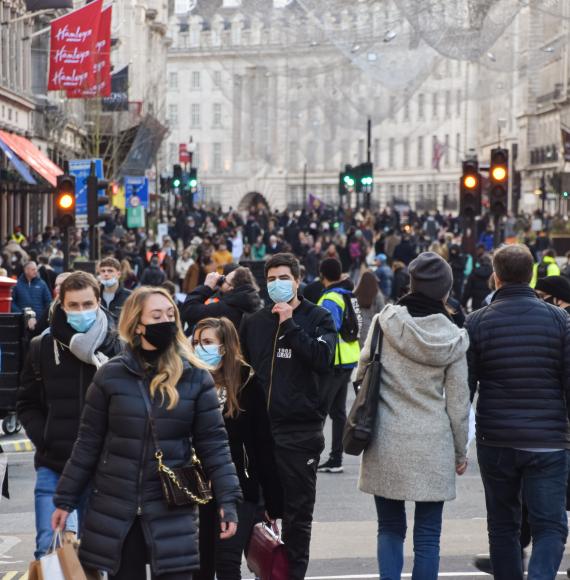


A new study by the UK Health Security Agency and AI-powered sleep technology company Sleep Cycle suggests that cough data collected passively through a sleep monitoring app could provide an early indication of rising respiratory illness across England.
The research found that cough data gathered overnight through the Sleep Cycle app closely mirrored levels of respiratory illness reported through NHS 111 services and, crucially, often showed increases around a week before spikes in influenza and COVID-19 cases were recorded.
The findings highlight how digital health technologies could strengthen traditional public health surveillance systems by providing near real-time insights into respiratory disease trends.
Current respiratory surveillance methods largely depend on people accessing NHS services when they become unwell. However, healthcare-seeking behaviour can vary significantly due to factors such as public awareness, service accessibility, demographic differences and socioeconomic factors. Reporting delays and laboratory processing times can also affect how quickly trends are identified.
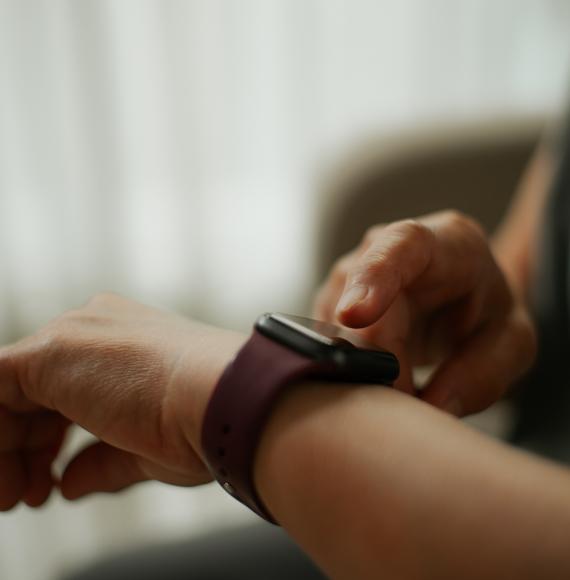
In contrast, Sleep Cycle uses AI-powered sound analysis to monitor sleep patterns and identify coughing during the night. The data is collected passively, with privacy protections in place, and updated daily, enabling a continuous view of respiratory illness activity without requiring users to take any action.
Researchers found that this approach generated a consistent and reliable signal of respiratory illness across different regions of England. The study demonstrated that overnight cough monitoring could provide public health officials with earlier awareness of emerging respiratory disease patterns, particularly during periods of increased influenza and COVID-19 transmission.
The research does not suggest replacing established NHS and laboratory-based surveillance methods. Instead, it highlights the potential for passive digital health monitoring to complement existing systems by providing an additional layer of intelligence.
By combining traditional surveillance data with AI-generated health signals, public health agencies could gain a more comprehensive understanding of population health and potentially identify seasonal outbreaks earlier.
The study concluded that incorporating passive sleep monitoring data alongside established surveillance programmes could help experts detect changes in respiratory illness activity sooner and better understand trends as they emerge.
Professor Steven Riley, Chief Data Officer at UKHSA, said:
“These findings suggest that combining established surveillance approaches with novel digital health signals could contribute to an earlier, richer and more resilient understanding of population respiratory health.
“No single surveillance system provides a complete picture of respiratory disease activity, but this shows that passive nocturnal cough monitoring can complement other surveillance systems to provide a timely population-level signal of upcoming disease trends, without being affected by healthcare-seeking behaviour, laboratory turnaround times, backfilling and reporting delays.”
As healthcare systems increasingly explore the role of AI and digital technologies, the study provides further evidence that consumer health applications may have a valuable role to play in strengthening public health intelligence and improving preparedness for seasonal respiratory diseases.
Image credit: iStock