

The Welsh Government has announced a decade-long National Cancer Strategy aimed at overhauling how cancer is prevented, diagnosed and treated across Wales - marking the first such national approach in nearly 20 years.
Cancer remains the leading cause of death in Wales, with one in two people expected to be affected during their lifetime. Despite this, outcomes and service performance have continued to fall short of expectations, prompting renewed political focus and a commitment to systemic reform.
At the heart of the new strategy is a pledge to introduce a stronger national direction—something the Cabinet Minister for Health and Care, Mabon ap Gwynfor, says has been missing for too long. The initiative aims to tackle longstanding disparities in care, including variations linked to geography, while modernising cancer services in line with global best practice.
Wales’ Cabinet Minister for Health and Care said:
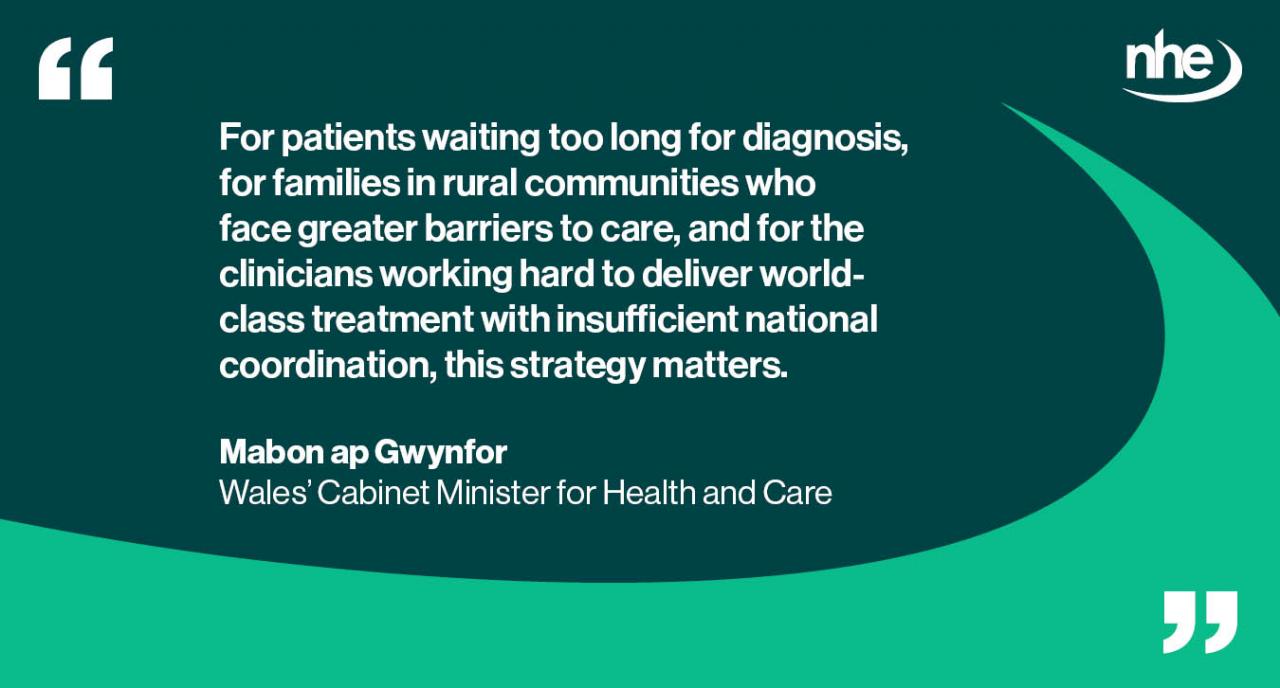
“For patients waiting too long for diagnosis, for families in rural communities who face greater barriers to care, and for the clinicians working hard to deliver world-class treatment with insufficient national coordination, this strategy matters.
“Wales has not introduced a national cancer strategy since 2006. In the two decades since, treatments have transformed, diagnostic technology has advanced, the needs of our population have changed, and our understanding of cancer has deepened dramatically.
“This Welsh Government is moving at pace, and it is moving with purpose on this priority of national importance. Every person in Wales deserves the best possible chance against cancer. This strategy will deliver it.”
A Focus on Prevention, Early Diagnosis and Equity
The 10-year plan will be shaped around three core pillars:
- Prevention: Proactively addressing avoidable risk factors and supporting public health initiatives
- Early Diagnosis: Improving access to screening and diagnostics to increase detection rates at earlier, more treatable stages
- Integrated Care Pathways: Creating seamless and consistent patient journeys from diagnosis through to treatment, survivorship, or end-of-life care
A key ambition is to eliminate the so-called ‘postcode lottery’ in cancer care, ensuring consistent quality of treatment regardless of where patients live.
International Collaboration and Sector Engagement
To ensure the strategy reflects the latest clinical thinking and innovation, the Welsh Government will collaborate with the European Cancer Organisation and international partners. This approach is designed to embed global best practice within Welsh services.
Closer to home, engagement is already underway with the Wales Cancer Alliance – representing more than 30 cancer charities – as well as NHS bodies and third sector organisations. This multi-agency collaboration will play a crucial role in co-developing solutions that are both practical and patient-centred.
Supporting Initiatives Already Underway
Alongside the strategy’s development, several supporting measures are being progressed as part of the government’s early delivery commitments:
- “Right to Be Forgotten” principles to improve cancer survivors’ access to financial services
- A travel and accommodation fund for children and young people attending cancer treatment appointments
- A feasibility study for a new Rapid Diagnostic Centre in Powys
These measures signal an intent to address not just clinical outcomes, but also the wider social and financial impacts of cancer.
Timeline and Next Steps
The full National Cancer Strategy is scheduled for publication on 4 February 2027, aligning with World Cancer Day. Between now and then, stakeholders across the health and care system will be engaged in shaping the final framework.
For NHS leaders and policymakers, the strategy represents a significant opportunity to reset cancer services in Wales, embedding accountability, improving outcomes, and ensuring the system is fit for future demand.
Image credit: iStock