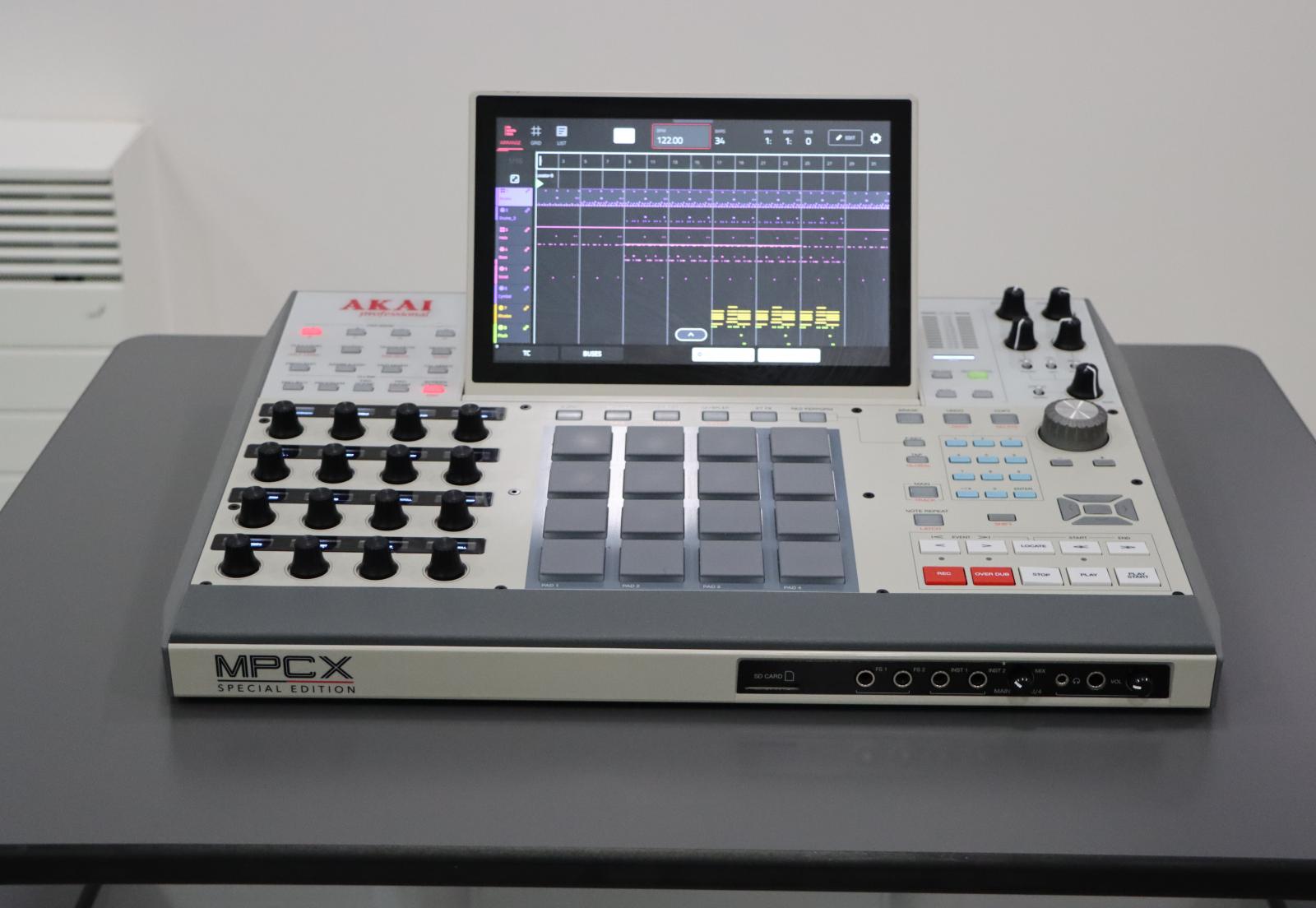

West London NHS Trust has launched a pioneering approach to music therapy within its secure services, becoming the first site of its kind in the UK to bring creative therapeutic tools directly onto wards using a new portable “Porta Studio.”
The innovative model removes long‑standing barriers to access for patients requiring intensive care or presenting with high‑risk behaviours, who have traditionally been unable to attend an onsite music therapy studio.
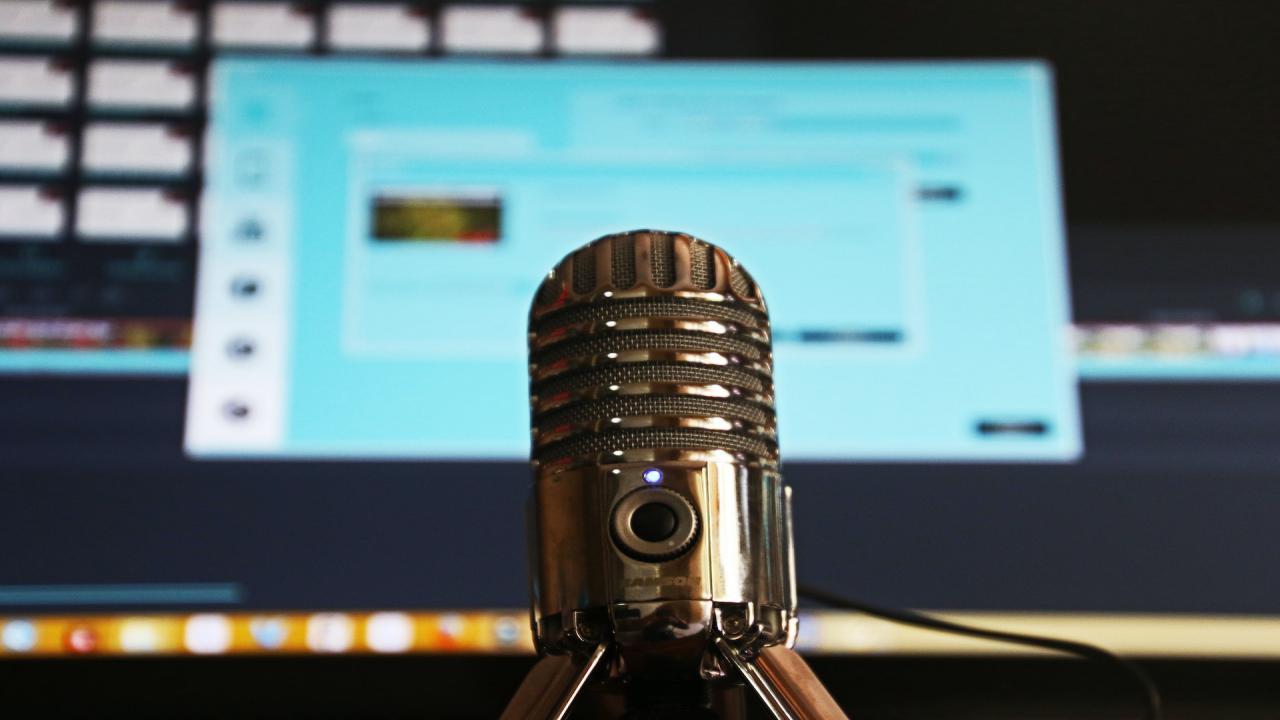
Using a portable Akai music production device, the Porta Studio allows music therapy to be safely delivered on wards, enabling patients to fully participate in structured, creative therapeutic work without leaving their clinical environment.
The initiative was developed by Forensic Consultant Psychiatrist Dr Ben Hardy and Music Therapist Willow Lowry, in response to the need for more inclusive and flexible approaches to therapy within secure mental health settings.
Commenting on the therapy, Dr Ben Hardy said:
“Music therapy offers a unique and clinically valuable approach within forensic mental health care. It provides a safe and structured way for patients to express emotions, build trust, and develop coping strategies, often where words alone fall short.
“The Porta Studio complements traditional treatments by enhancing engagement and supporting emotional regulation, which can lead to improved therapeutic outcomes and reduced risk behaviours.”
The Porta Studio enables patients to create beats, compose music, freestyle and record tracks in a supported, risk‑managed environment. Since its introduction, participation in music therapy has doubled, highlighting both strong patient engagement and unmet need.
The Trust is already seeing notable benefits:
- Patients who previously required isolated therapy are now engaging in shared therapeutic spaces
- Some individuals have progressed to accessing the main onsite music therapy studio for the first time
- Improved communication, emotional expression and connection among patients who previously struggled to engage
Clinicians report that the Porta Studio has quickly become a vital tool for emotional growth, therapeutic alliance and recovery‑focused care within secure wards.
The approach reflects wider NHS ambitions to deliver person‑centred, trauma‑informed and recovery‑oriented care, using innovation to meet patients where they are rather than expecting them to adapt to rigid service structures.
By embedding creative therapy directly into ward environments, the Porta Studio supports individuals who might otherwise be excluded from therapeutic opportunities due to clinical risk, mobility or behavioural challenges.
Following early success, plans are underway to expand the Porta Studio programme across West London NHS Trust’s secure services.
Image credit: West London NHS Trust