

Thousands of breast cancer survivors who develop heart complications during treatment may no longer need to remain on heart medication for life, according to new research led by University College London Hospitals NHS Foundation Trust, University College London and Barts Health NHS Trust.
The findings, presented at the European Society of Cardiology Congress in Munich and published in the European Heart Journal, suggest that most women whose heart function recovers following cancer treatment can safely stop taking heart failure medication under specialist supervision.
The study, funded by the British Heart Foundation and supported by the NIHR Biomedical Research Centre at UCLH, involved 90 women who had experienced heart problems linked to HER2-targeted breast cancer therapies. These treatments are commonly used to treat HER2-positive breast cancer, which accounts for around 15 to 20 per cent of all breast cancer cases.
Historically, patients who developed treatment-related cardiac dysfunction were often advised to continue heart failure medication indefinitely, even after their heart function had returned to normal. Clinicians feared that withdrawing medication could trigger a deterioration in heart health.
However, the new trial challenges that long-standing assumption.
Researchers monitored 90 breast cancer survivors across four UK hospitals who had previously developed HER2-targeted therapy-related cardiac dysfunction but later recovered following treatment. The women, who had an average age of 50, were divided into groups that either continued or discontinued their heart medication.
After 12 months, 98 per cent of those who stopped taking their medication maintained stable heart function. Only one participant experienced a decline in the heart's pumping ability during the study period.
Women who discontinued treatment also reported a slightly better quality of life compared with those who remained on medication.
Importantly, none of the participants developed heart failure symptoms, required hospital admission or experienced other serious cardiac complications during the trial.
Professor Charlotte Manisty, Head of Clinical Cardiovascular Science at University College London and consultant cardiologist at Barts Heart Centre and UCLH, said:
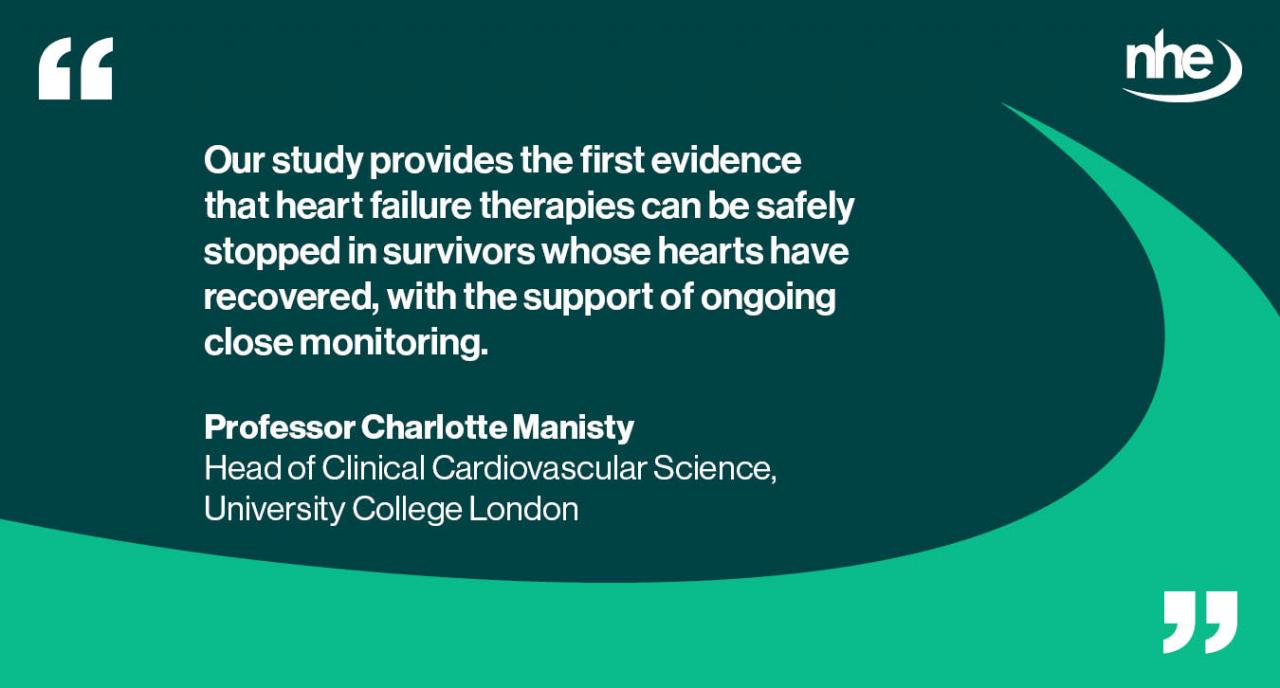
"Our study provides the first evidence that heart failure therapies can be safely stopped in survivors whose hearts have recovered, with the support of ongoing close monitoring. We hope these findings will be encouraging for survivors and their doctors, giving hope for a future free from treatment."
Breast cancer remains the most common cancer in the UK, with nearly 60,000 new cases diagnosed annually. As survival rates continue to improve, managing the long-term effects of treatment has become an increasingly important aspect of cancer care.
The researchers believe the findings could help reduce the burden of long-term medication for many survivors while improving quality of life, provided patients continue to receive appropriate monitoring from specialist healthcare teams.
The study represents a significant step forward for the rapidly growing field of cardio-oncology, which focuses on preventing and managing the cardiovascular effects of cancer treatment.
Image credit: iStock