
A 33-year-old cardiac arrest survivor has become the first patient to receive a pioneering heart device at University Hospitals Coventry and Warwickshire NHS Trust, marking an important step forward in specialist cardiac care.
Cameron Mair was driving his work van in Stratford-upon-Avon when he suffered a cardiac arrest. Thanks to the swift actions of members of the public, including a passer-by who helped him from the vehicle and immediately began CPR, alongside the use of a nearby defibrillator, Cameron's life was saved before he was transferred to hospital.
Following further assessment, Cameron, who has a genetic heart condition known as hypertrophic cardiomyopathy, became the first patient at University Hospitals Coventry and Warwickshire NHS Trust to receive an extravascular implantable cardioverter defibrillator.
The EV-ICD represents a new generation of implantable cardiac devices designed to protect patients from potentially fatal heart rhythm disturbances. While traditional implantable cardioverter defibrillators place leads through the veins and directly into the heart, the EV-ICD positions its lead beneath the breastbone, outside both the heart and blood vessels.
This approach offers significant long-term advantages, particularly for younger patients who may require device replacements or lead changes throughout their lifetime. By avoiding direct contact with the heart and vascular system, the technology can reduce the risk of complications associated with conventional devices.
Another key benefit of the EV-ICD is its ability to provide anti-tachycardia pacing. This treatment uses small electrical impulses to correct dangerously fast heart rhythms before a shock is required, helping to improve patient comfort and outcomes.
Consultant Cardiologist Dr Ven Lim said:
“EV-ICD is still a relatively new technology and only a few centres in the UK provide this service. We are proud UHCW can now offer it to selected patients.
“For patients who may require protection from life-threatening heart rhythms for many years, it provides another option that avoids placing a defibrillator lead inside the heart or blood vessels, while retaining the ability to deliver anti-tachycardia pacing.
“It is a great example of how different specialist teams across UHCW can work together to bring new treatments to our patients.”
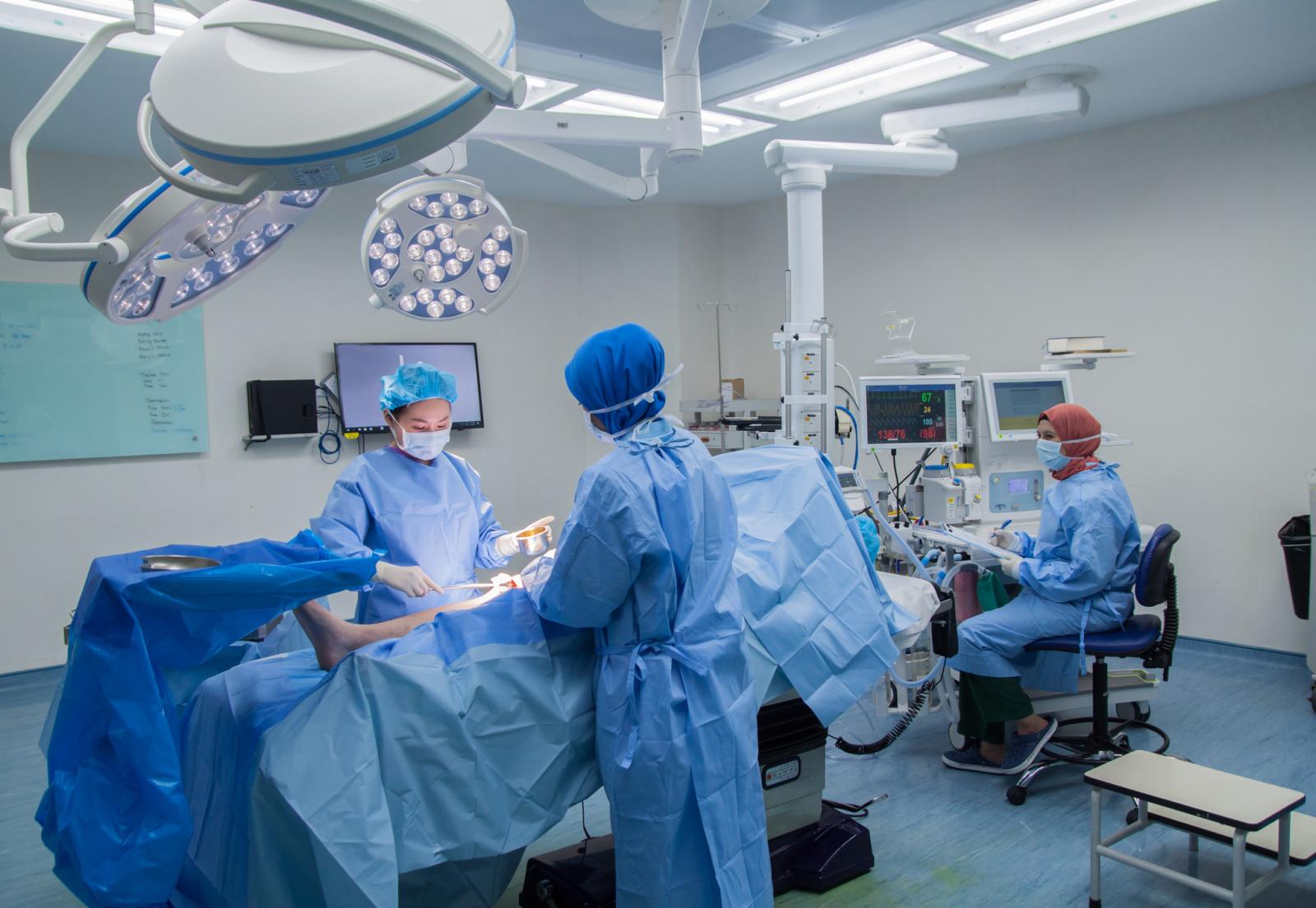
The successful procedure was the result of extensive planning and multidisciplinary collaboration. For the first implantation, Dr Ven Lim worked alongside Cardiothoracic Surgeon Mr Sendhil Balasubramaniam, Cardiac Anaesthetist Dr Shane Wilde, Cardiologist Dr Michael Kuehl, Cardiac Physiologists Gracie Gilbert and Daniel Jones, as well as specialist radiographers and nurses who formed the dedicated EV-ICD team.
The achievement highlights how specialist cardiac teams are embracing innovative technologies to improve outcomes for patients with complex heart conditions. It also strengthens the position of University Hospitals Coventry and Warwickshire (UHCW) NHS Trust as one of a limited number of UK centres able to offer this advanced treatment.
For Cameron, the successful implantation brings reassurance after a life-changing and traumatic experience, providing additional protection against future life-threatening heart rhythm events.
Image credit: iStock