
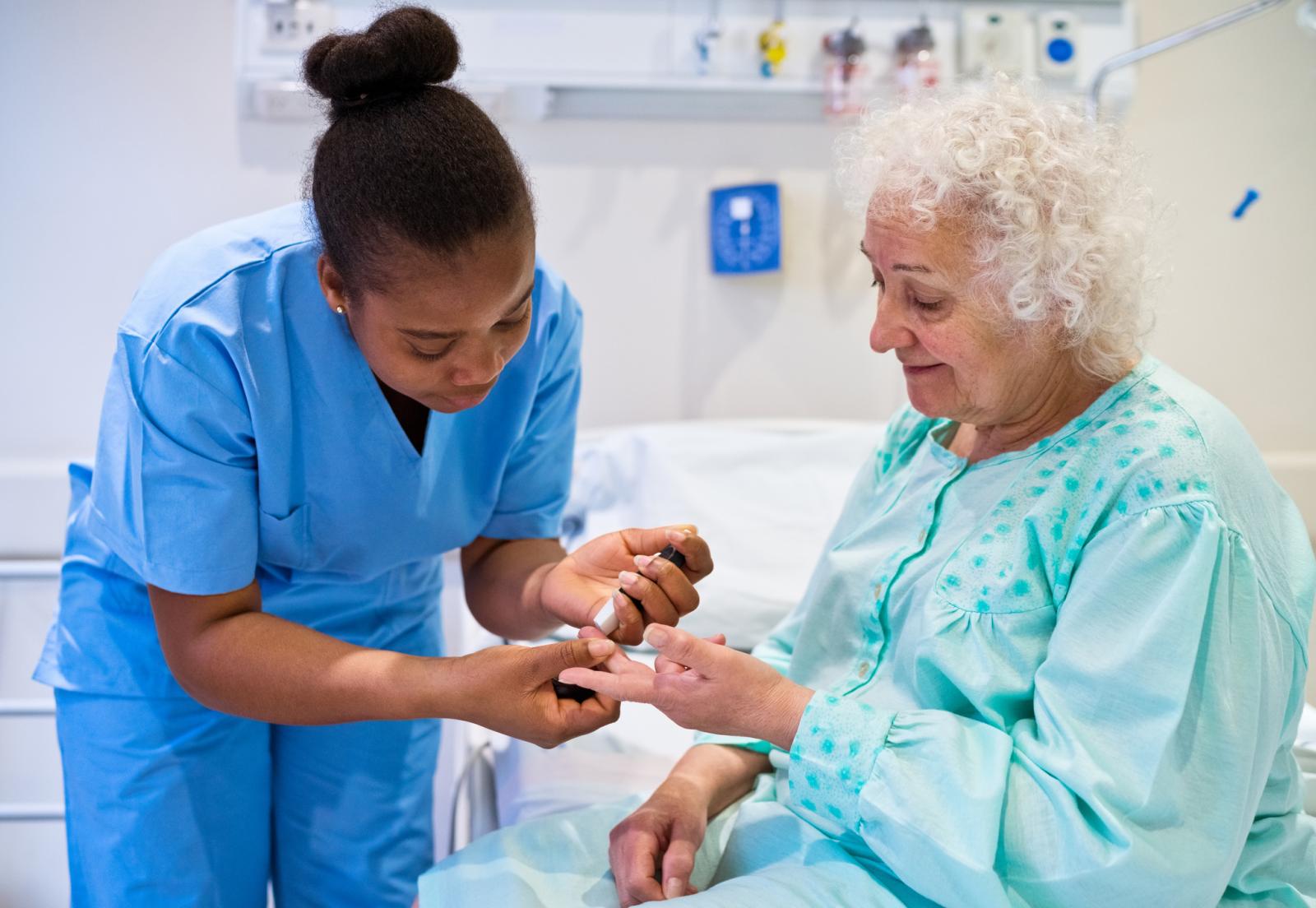

Patients at Doncaster and Bassetlaw Teaching Hospitals NHS Foundation Trust (DBTH) have overwhelmingly praised the quality of care they received, with the latest national Adult Inpatient Survey revealing high levels of confidence, dignity and respect across the organisation.
Published by the Care Quality Commission (CQC), the survey captures the experiences of patients who stayed overnight at the Trust's hospitals during November 2025. A total of 425 patients responded, sharing feedback on key aspects of their care, including communication, treatment, medicines management, nutrition and discharge arrangements.
The results demonstrate strong patient satisfaction across DBTH's three hospital sites: Doncaster Royal Infirmary, Bassetlaw Hospital and Montagu Hospital.
Almost all respondents (99%) said they were treated with dignity and respect during their stay, while 85% rated their overall hospital experience at seven out of ten or higher. Confidence in clinical teams also remained exceptionally high, with 97% of patients reporting trust and confidence in their doctors, alongside similarly positive feedback for nursing staff.
The survey also highlights notable improvements in several key areas compared with the previous year.
More patients reported being able to manage their own medication when appropriate, with satisfaction increasing from 79% to 89%. Support with nutrition also improved, with 90% of respondents saying they received enough help to eat their meals, up from 85% the previous year.
In addition, patients reported better discharge planning, with the proportion saying their ongoing health or social care needs had been discussed before leaving hospital rising from 76% to 82%.
Several specialties achieved particularly impressive results.
Trauma and Orthopaedics recorded 100% positive scores for kindness, compassion, dignity and respect, while 93% of patients rated their overall experience at seven out of ten or above.
Urology achieved 100% positive scores for confidence and trust in both doctors and nurses, demonstrating consistently high patient satisfaction across the service.
General Surgery also delivered exceptional results, achieving 100% positive scores for dignity and respect, privacy, pain management and the availability of help when patients needed it.
Meanwhile, General Internal Medicine continued to make progress, with the proportion of patients rating their experience seven out of ten or higher increasing from 77% to 84%.
Despite the strong performance, Trust leaders have acknowledged areas where further progress is needed, particularly around communication with patients awaiting planned procedures, information regarding Virtual Ward services and support during discharge.
Karen Jessop, Chief Nurse at DBTH, said:
“These findings give us a great deal to be proud of, particularly that 99% of patients told us they were treated with dignity and respect, alongside improvements in areas such as medicines, nutrition and support when leaving hospital.
“They also show us clearly where we need to do better, including communication while patients wait for planned procedures, information about Virtual Ward care and support when leaving hospital.
“Our ambition is to become one of the country’s top-performing trusts for patient experience. These results give us a strong platform to build on, and we will continue to listen to our patients and use their feedback to improve year on year.
“I would like to thank everyone who shared their experience, and our colleagues for the compassion and professionalism they show every day.”
The Trust will now focus improvement efforts on providing clearer information for patients awaiting procedures and those receiving care through Virtual Wards. Additional work will also target better communication around dietary requirements, medicines information and post-discharge support for patients and carers.
The Adult Inpatient Survey is conducted annually and provides NHS organisations with valuable insight into patients' experiences, helping shape service improvements and drive higher standards of care across the health service.
Image credit: iStock