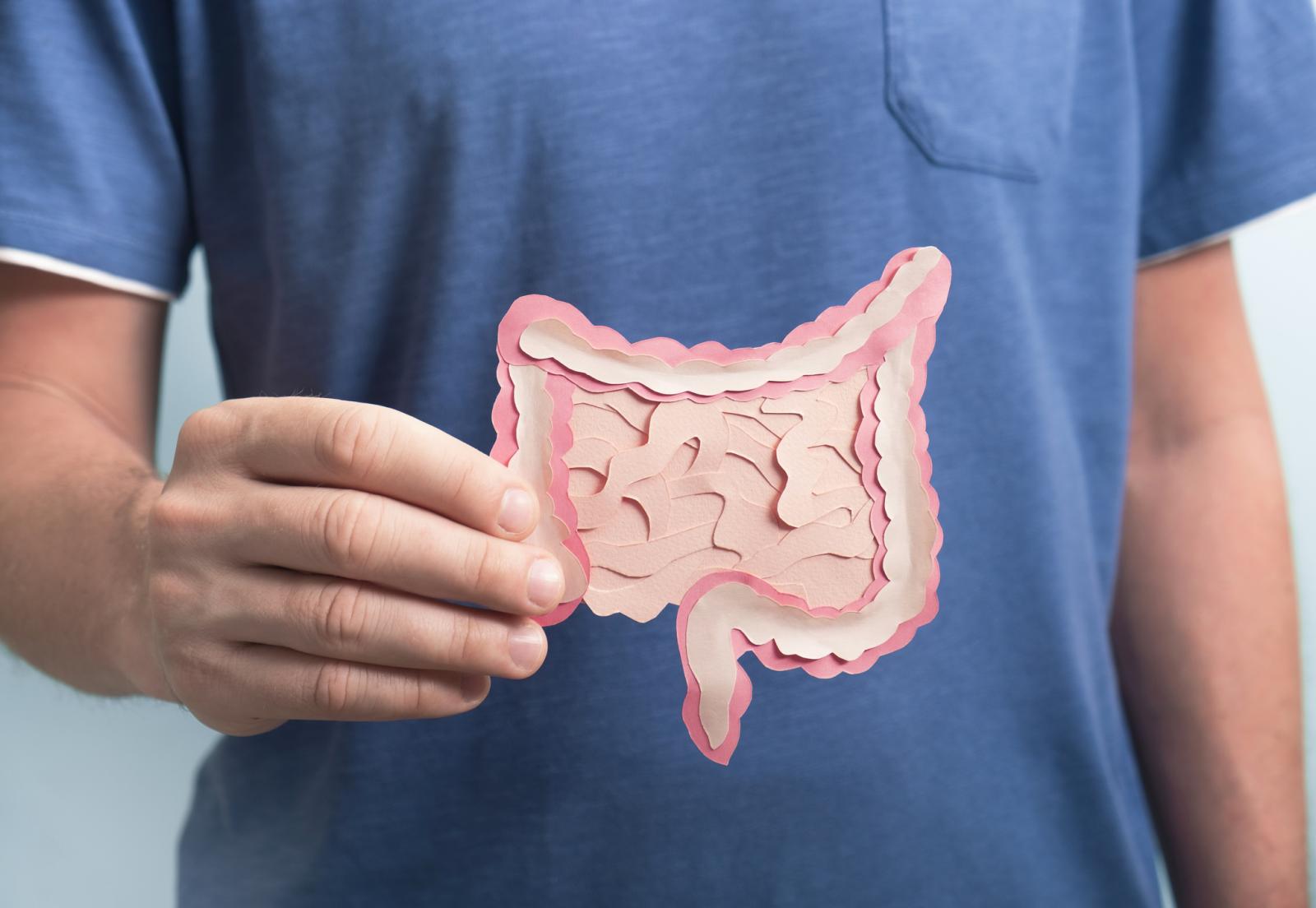

Millions more people are benefiting from lifesaving NHS bowel cancer screening, with new figures showing participation has increased significantly over the past decade.
During 2024/25, almost seven million people took part in bowel screening in England, up from around 4.7 million in 2014/15, highlighting the growing impact of early detection in preventing and treating one of the country’s most common cancers.
Since the national bowel cancer screening programme began two decades ago, the NHS has screened almost 85 million people, detecting around 70,000 bowel cancers at an earlier, more treatable stage.
In addition, around 270,000 people have benefited from regular surveillance after screening identified them as being at higher risk of developing the disease. This ongoing monitoring helps spot potential problems early, often before symptoms appear.
Clinicians say early detection through screening dramatically improves survival rates and reduces the need for more intensive treatment.
The NHS bowel screening programme has undergone major expansion since its launch in 2006, when it was offered only to people in their 60s.
Today, the test is available to everyone aged 50 to 74, significantly widening access and helping identify cancers years earlier than would otherwise be possible.
The test is completed at home and returned by post, making it quick, convenient, and easy to fit into everyday life.
Public awareness and uptake have improved markedly over time. Two decades ago, only around half of those aged 60 to 74 returned their screening test.
In 2024/25, participation rose to more than seven in ten people, reflecting growing confidence in the programme and increased understanding of the benefits of early detection.
However, the NHS says thousands of eligible people still do not take part, and is urging more people to complete their screening when invited.
Bowel cancer often shows no symptoms in its early stages, meaning screening can identify the disease long before someone would normally seek medical help.
Detecting cancer early not only saves lives but also allows for less invasive treatments and better quality of life for patients.
The NHS has emphasised that returning a screening kit could be one of the simplest yet most important health actions people take. National Clinical Director for Cancer, Professor Peter Johnson, commented:
“The NHS has transformed bowel screening over the last 2 decades, making it easier than ever before for people’s cancer to be picked up, and the sooner it is spotted the easier it is to treat.
“And thanks to the fantastic work of Dame Deborah James we’ve seen a big jump in the number of people taking up the offer of bowel screening.
“Bowel cancer has become more common in recent years, and anyone aged between 50 and 74-years-old should be regularly tested, so the NHS will send you a test when you’re eligible that takes just minutes to do from the comfort of your home.
“There is no need to be embarrassed – a simple poo test could be the difference between enjoying many more years with your loved ones, or having your life cut short by bowel cancer.
“For anyone experiencing symptoms such as blood in their poo or severe stomach pain, no matter their age, you can speak to your GP and get it checked out as soon as possible, as well as completing your screening test when invited.”
Health leaders are encouraging everyone who receives a bowel screening invitation to take part as soon as possible, stressing that the increase in participation is already delivering tangible benefits. They say continued uptake is essential to building on progress made over the past decade and ensuring bowel cancer is detected before it becomes harder to treat.
With millions more people now being screened each year, the NHS believes the programme will continue to play a vital role in reducing cancer deaths and improving long‑term outcomes across England.
Image credit: iStock