

Patients across Bassetlaw and surrounding communities are set to benefit from improved access to specialist diabetic eye screening, as refurbishment work begins at Bassetlaw Hospital to expand local diagnostic capacity.
The improvements will make it easier for people living with diabetes to access timely eye checks closer to home, supporting earlier detection of eye disease and helping to prevent avoidable sight loss.
The Diabetic Eye Screening Programme (DESP) is being expanded to bring together advanced diagnostic techniques within a single, coordinated care pathway. This includes retinal imaging, Optical Coherence Tomography (OCT) scanning and slit lamp examinations, enabling clinicians to assess patients more comprehensively in one visit.
OCT scanning is a painless, non‑invasive test that produces highly detailed images of the back of the eye, allowing clinicians to detect even the earliest signs of change. When used alongside slit lamp assessments and retinal photography, it supports more accurate diagnosis and closer monitoring of eye health over time.
Together, these improvements mean patients can benefit from earlier detection of diabetic eye disease, which, if identified and treated promptly, can prevent or significantly reduce damage to vision and help avoid sight loss.
Conditions such as diabetic retinopathy often develop without symptoms in their early stages, making regular screening essential. While diabetic eye screening plays a vital role in identifying diabetes‑related changes, it is not the same as a routine eye test with an optician, and patients are still encouraged to attend regular eye examinations to check for other eye conditions.
The expanded service is also expected to reduce unnecessary hospital referrals by ensuring patients are assessed and monitored appropriately within the screening programme, while increasing the number of appointments available locally.
Alongside enhancements to clinical facilities, the service is increasing flexibility for patients, with plans to offer more evening and weekend appointments. This aims to make screening easier to attend and improve overall uptake, particularly for people balancing work, caring responsibilities, or transport challenges.
The programme has also strengthened its community‑based offer, with outreach and weekend screening sessions delivered in local venues. These initiatives are designed to bring essential eye checks closer to patients and improve access for those who may find it harder to attend hospital appointments.
Dr Shivani Dewan, Lead for the Diabetic Eye Screening Programme at DBTH, said:
“These improvements are all about making care easier, faster, and more effective for patients. By bringing more of the screening process together in one place, we can reduce delays, improve accuracy, and ensure people are seen at the right time. It also means patients can be seen closer to home, which makes a real difference for those living with long‑term conditions like diabetes.”
Denise Smith, Chief Operating Officer at the Trust, added:
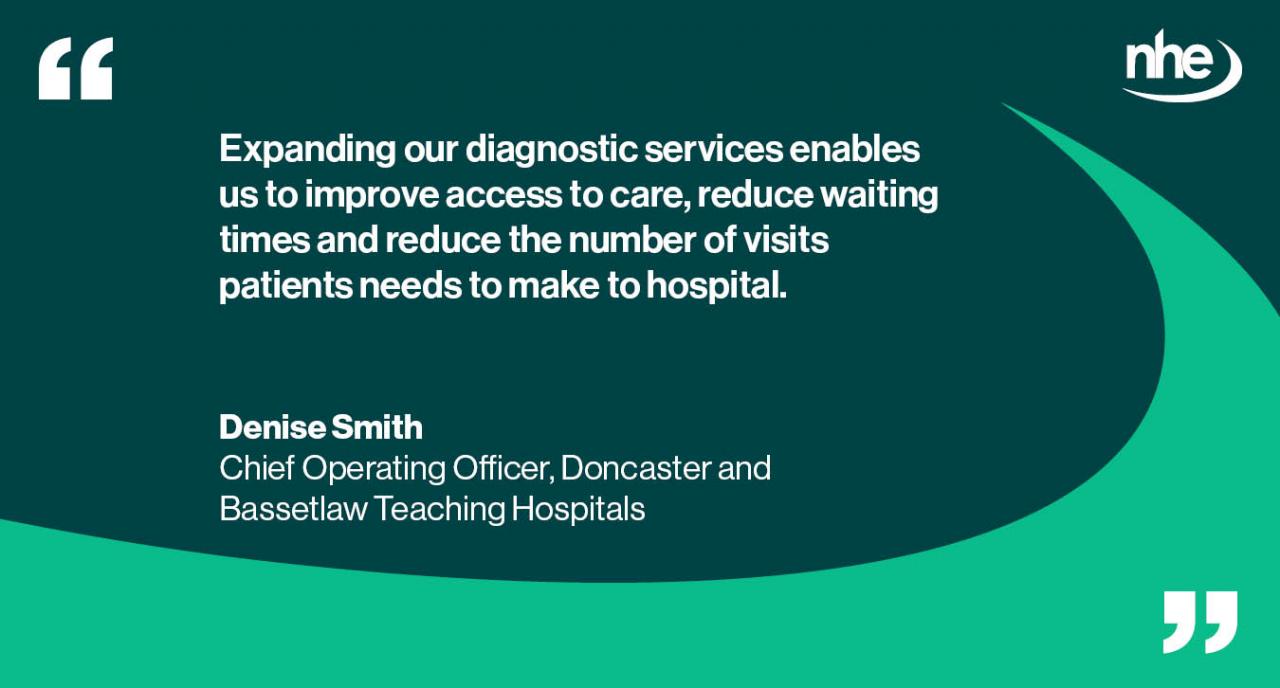
“This is a really positive step forward for patients in our communities. Expanding our diagnostic services enables us to improve access to care, reduce waiting times and reduce the number of visits patients needs to make to hospital. It also reflects our ongoing commitment to delivering more care closer to home while making best use of our facilities and clinical expertise.”
To support the expansion, refurbishment work is underway within the hospital to create additional clinical space for the service, with completion expected in the summer. The development forms part of wider Trust plans to invest in clinical environments, improve patient experience and support more care to be delivered locally.
Image credit: iStock