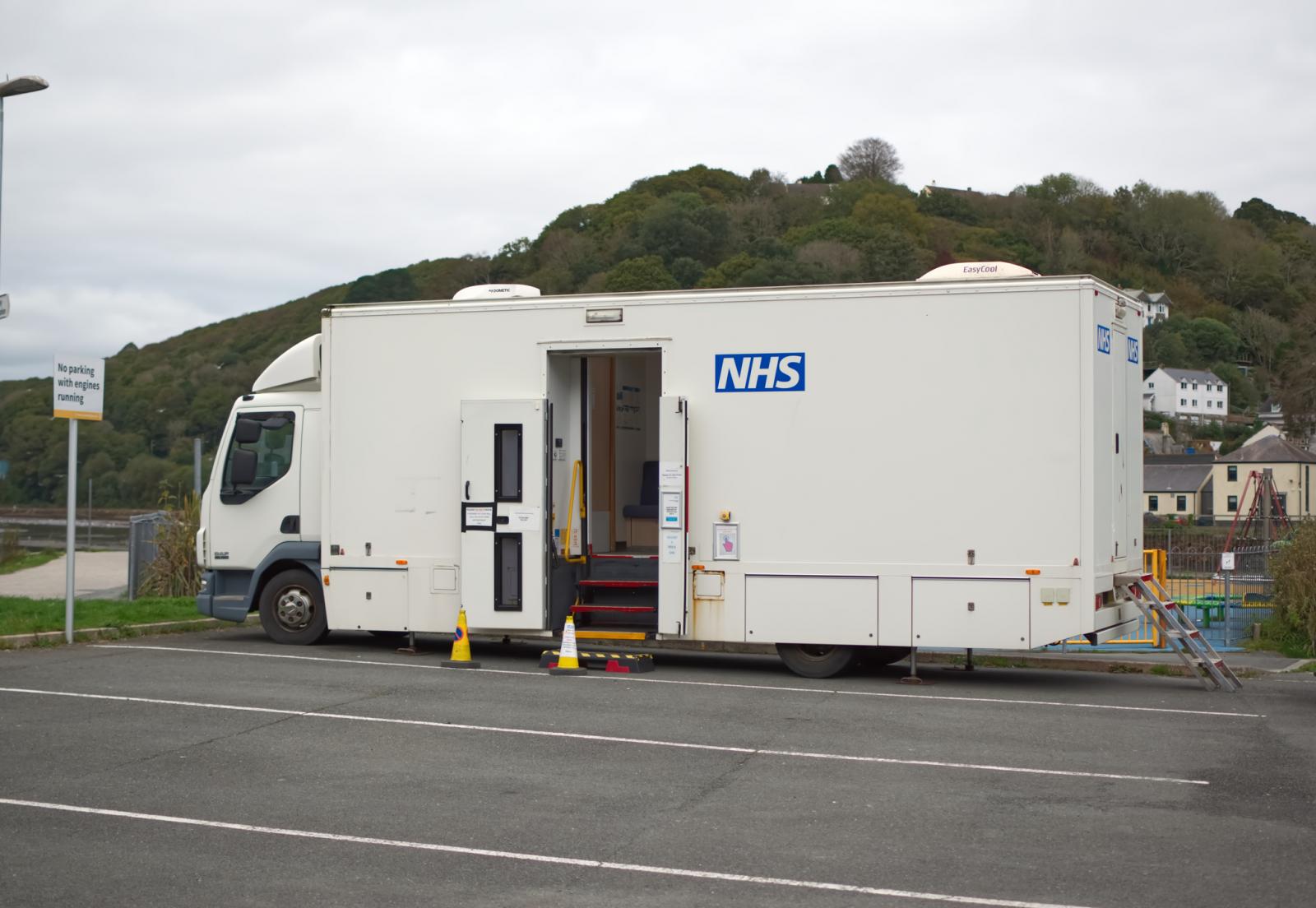

Thousands of people across England are having lung cancer detected earlier thanks to NHS mobile scanning units operating in supermarket car parks, sports stadiums and busy high streets.
New NHS figures show 10,678 lung cancers have been diagnosed through the NHS Lung Cancer Screening Programme since it launched, with more than three‑quarters identified at stage one or two – when treatment is most effective.
Early diagnosis has a profound impact on survival. Patients whose lung cancer is caught at the earliest stages are almost 13 times more likely to survive for five years than those diagnosed once the disease has progressed.
Targeting people most at risk
The programme focuses on current and former smokers aged 55 to 74, offering in‑depth lung health checks and, where appropriate, low‑dose CT (LDCT) scans. Risk is assessed using prediction models that take account of age, sex, ethnicity, smoking history, body mass index, and any previous history of cancer or lung disease.
First launched in 2019 in areas with the highest lung cancer rates, the programme has now reached around half of England’s most at‑risk population. Since inception, more than 3.3 million people have been invited for a lung health check, with over 800,000 going on to receive an LDCT scan.
Real‑world impact
One of those diagnosed early is Ken Roberts, a 74‑year‑old manufacturing company director from Ladybridge, Bolton. Ken attended a lung health check after a mobile scanning unit was stationed at Morrisons in Bolton.
Despite having no symptoms, he decided to attend after initially considering declining the invitation. Follow‑up hospital scans confirmed stage one lung cancer. Ken underwent surgery and, because the cancer was detected so early, required no further treatment.
Reaching deprived communities
Data shows the programme is helping to narrow health inequalities. More than a third of lung cancers diagnosed in people from the most deprived areas of England have been caught early since the screening programme began.
Lung cancer remains one of the most common cancers in England, with around 26,000 deaths each year. Approximately seven in ten cases are caused by smoking, though other risk factors include passive smoking and exposure to certain gases and chemicals.
Crucially, lung cancer often develops without noticeable symptoms until it has grown or spread, which is why the programme is aimed at people who feel well but remain at risk.
National rollout central to cancer strategy
Under the National Cancer Plan, the Government aims for 75% of people diagnosed with cancer to survive for five years or more by 2035. Nationwide rollout of lung cancer screening is a cornerstone of that ambition.
By 2030, the NHS expects more than 6 million people across England to be invited for a lung health check, supporting the diagnosis of up to 50,000 cancers.
Professor Peter Johnson, NHS England National Clinical Director for Cancer, said:
“Lung cancer checks and scans save lives, so it’s fantastic the NHS has now diagnosed over 10,000 people – the majority at an early stage, when treatment is most effective.
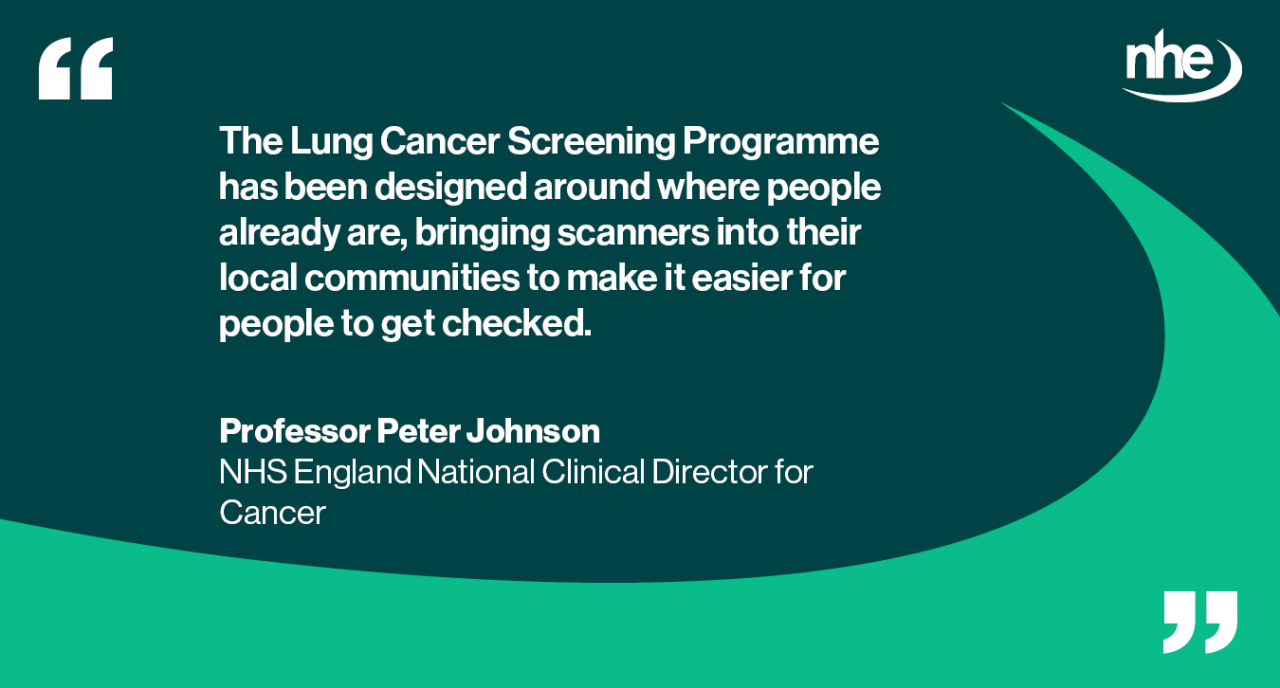
“The Lung Cancer Screening Programme has been designed around where people already are, bringing scanners into their local communities to make it easier for people to get checked.
“It is great to see the positive public response to this programme, and rolling this out nationwide will help us save even more lives in the future.”
NHS leaders continue to urge everyone who receives an invitation to attend a lung health check – even if they feel fit and well.
Image credit: iStock