
Healthcare providers, care homes and community care services have been urged to strengthen safety checks and maintenance procedures following the publication of a new National Patient Safety Alert (NatPSA) from the Medicines and Healthcare products Regulatory Agency (MHRA).
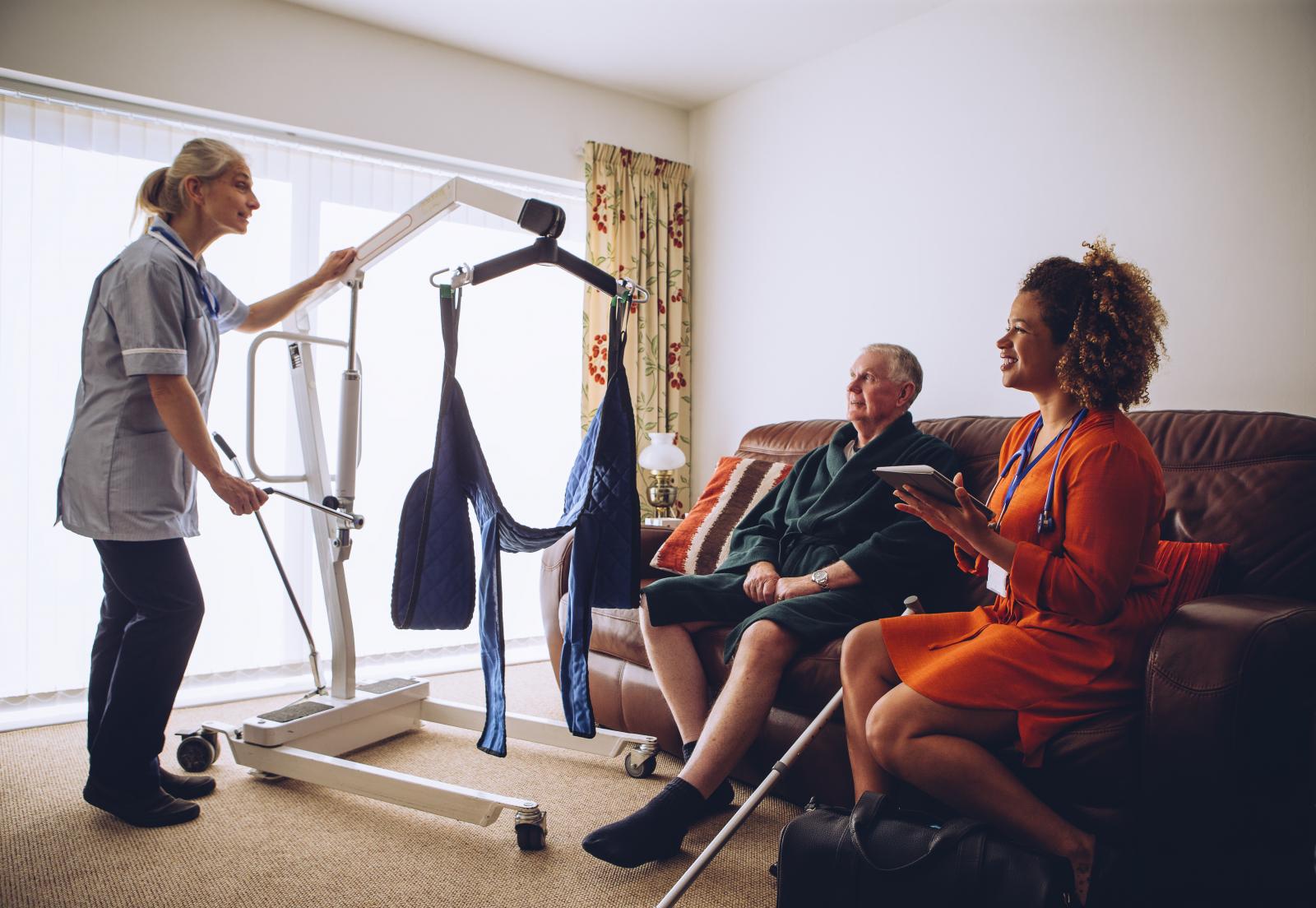
The alert outlines practical measures designed to reduce the risk of serious harm involving patient hoists and slings, which are widely used across health and social care settings to support the safe transfer and repositioning of people with reduced mobility.
Patient hoists play a vital role in delivering dignified and safe care in hospitals, residential care homes and domestic settings. However, a review of recent safety data has highlighted a number of serious incidents linked to the incorrect use, inadequate inspection or poor maintenance of hoisting equipment.
Importantly, the MHRA stressed that the incidents are not associated with any specific manufacturer or model. Reports have been received from a variety of care environments, including NHS organisations, care homes and private homes.
The National Patient Safety Alert aims to reinforce existing best practice guidance and improve awareness among healthcare professionals, care providers and informal carers of the actions required to minimise risks during patient transfers.
Dr Alison Cave, Chief Safety Officer at the MHRA said:
“Patient hoists are vital devices that support safe and dignified care, but when they are used incorrectly or not properly maintained, the consequences can be devastating.
“Ensuring patients are safe during transfers and repositioning is our top priority.
“Our alert sets out clear actions to help prevent avoidable harm. We are urging healthcare providers, carers and anyone using a hoist to follow this guidance carefully and ensure equipment is safe before every use.”
The MHRA is urging organisations and individuals responsible for patient transfers to implement a series of immediate safety measures, including:
- Carrying out comprehensive pre-use checks before every transfer.
- Ensuring hoists and slings are compatible and appropriate for each patient's individual needs.
- Confirming all attachments and connections are secure before lifting begins.
- Maintaining detailed inspection and maintenance records, while ensuring equipment is serviced regularly and complies with relevant regulations.
- Providing ongoing training and competency assessments for staff and caregivers involved in patient handling.
The alert serves as a reminder that safe patient handling relies on both suitable equipment and well-trained staff. By improving routine checks, maintenance procedures and training programmes, healthcare organisations can significantly reduce the risk of avoidable incidents and help protect some of the most vulnerable people receiving care.
With patient hoists used daily across thousands of settings throughout the UK, the MHRA hopes the latest guidance will encourage a more consistent approach to equipment safety and strengthen patient protection wherever transfers take place.
Image credit: iStock