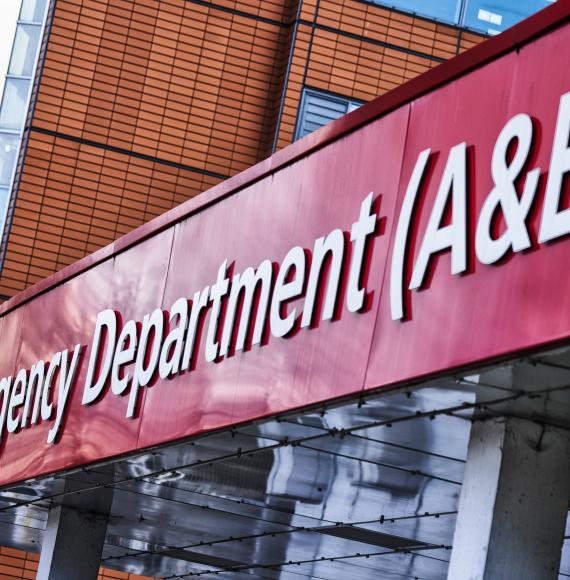


Doncaster and Bassetlaw Teaching Hospitals has introduced a new step‑by‑step training and career development pathway for nurses working in its Emergency Departments, offering clearer routes to progression and strengthening care for local patients.
The initiative applies to emergency services at Doncaster Royal Infirmary and Bassetlaw Hospital, which together deliver around 200,000 episodes of urgent and emergency care every year. The new framework lays out, for the first time, a structured guide showing what emergency nurses need to learn and achieve at each stage of their career.
Trust leaders say the approach will help retain skilled staff, support professional development and improve the quality and safety of care provided to patients with urgent and life‑threatening conditions.
The new ED career pathway spells out how nurses can develop clinical skills, gain experience and take on increasing responsibility as they build their careers in emergency medicine.
Under the new structure:
- Newly qualified nurses will spend their first year developing essential emergency care skills, including trauma training, taking bloods, assessing patients and building core clinical competencies.
- As they progress, nurses can move into more senior roles such as Sister or Charge Nurse, helping to lead shifts, coordinate patient flow and support junior colleagues.
- Experienced staff can then progress into specialist posts, including Emergency Nurse Practitioner or Advanced Clinical Practitioner, where they can assess, treat and discharge certain patients autonomously.
- Others may choose routes into education, training the next generation of nurses, or into senior leadership, overseeing departments and shaping future emergency services.
The framework provides guidance on the skills required at each level and the typical length of time it may take to advance, something that has not previously been outlined in one place.
DBTH’s new pathway reflects a broader national focus across the NHS on improving early‑career support, widening development opportunities and strengthening the nursing workforce.
By giving nurses clarity about progression, the Trust aims to boost recruitment and retention in one of the most pressured areas of frontline care. Leaders say the pathway will ensure patients continue to benefit from safe, high‑quality emergency treatment.
The Trust recently set out further proposals to increase the number of registered nurses on adult inpatient wards, ensuring staffing levels are better aligned with national best practice.
The first phase focuses on improving the skill mix within teams by expanding registered nurse posts. The investment, which is costed at around £534,000 per year, is expected to be partly offset through reduced reliance on temporary and agency staff.
Doncaster and Bassetlaw Teaching Hospitals’ Chief Nurse, Karen Jessop, commented:
“Our Emergency Departments are busy places where our nurses deal with a huge range of situations every day, and they do an incredible job caring for patients when they often need help the most.
“This new approach gives nurses a clear route to build their careers – from newly qualified registered nurse through to senior roles such as Sister or Charge Nurse, and on to specialist and leadership positions.
“Just as importantly, it helps us support our colleagues to grow their careers here in Doncaster and Bassetlaw, so we can keep experienced nurses in our hospitals.
“For patients, that means strong teams with the skills, confidence and experience to provide the best possible care.”
Strengthening the nursing workforce is a key priority for DBTH as it continues to deliver safe, reliable care while building fulfilling and sustainable careers for its staff.
The approach is designed to ensure the region’s hospitals can attract and retain talented nurses, support them to develop specialist skills, and continue improving care for the hundreds of thousands of patients who rely on DBTH’s emergency services each year.
Image credit: iStock