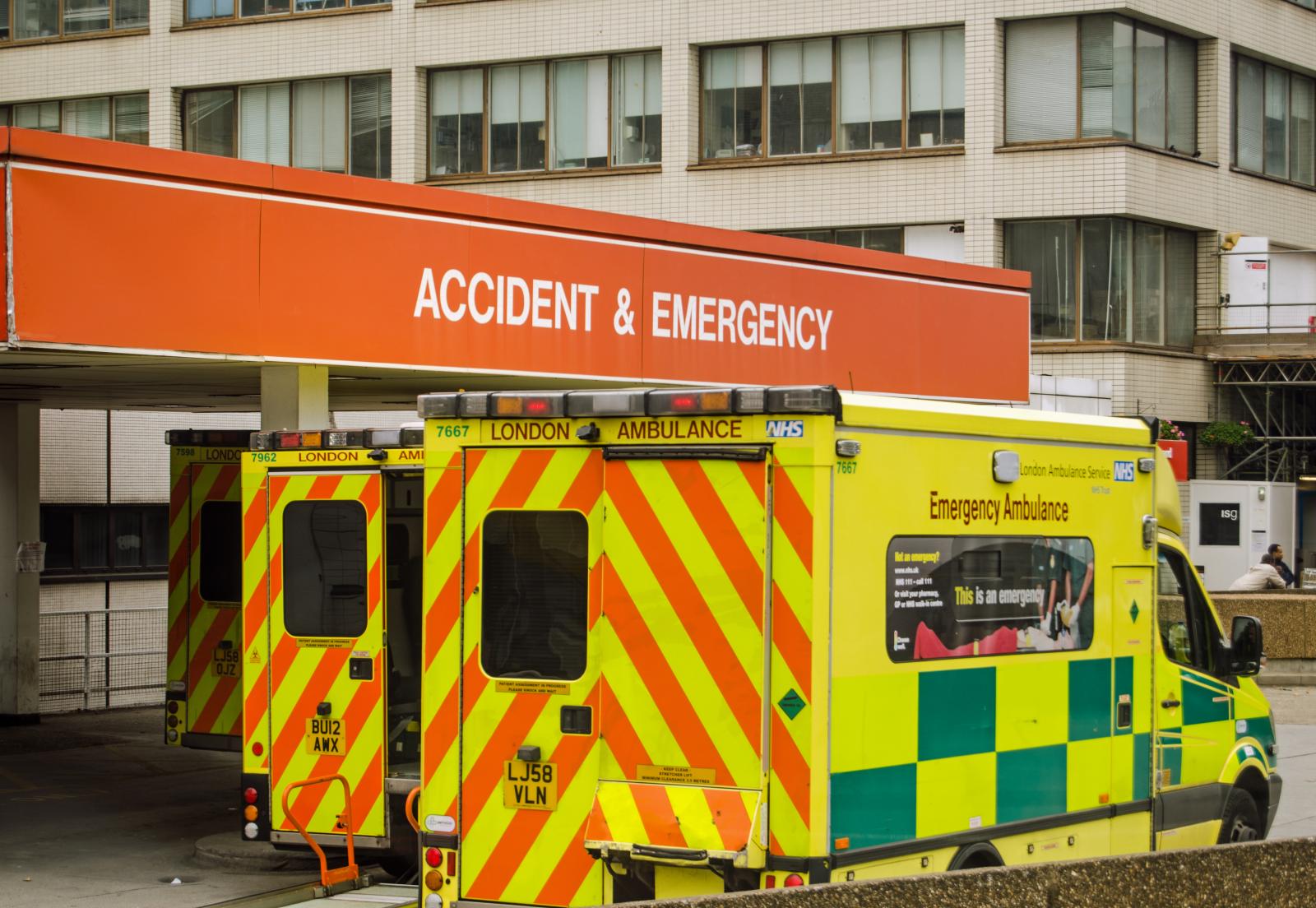

A major new study has reinforced concerns about the impact of overcrowding in the UK's Accident and Emergency departments, with researchers finding a direct association between rising emergency department occupancy levels and patient mortality.
The research, presented on 25 September 2026 at the European Emergency Medicine Congress by members of the Trainee Emergency Research Network, found that patients attending Emergency Departments faced an increased risk of death as overcrowding levels rose.
According to the study, every 10% increase in ED occupancy was associated with a 1% rise in the likelihood of a patient dying within 28 days.
The findings form part of the ongoing UNCORKED study series and estimate that overcrowding contributed to 554 excess, potentially avoidable deaths every week across the UK during the previous year. The study adds to a growing body of evidence linking pressure on emergency care services with poorer patient outcomes.
Dr Ian Higginson, President of the Royal College of Emergency Medicine, said:
“People are dying in association with overcrowding in Emergency Departments. This should be cause for alarm among policymakers, and yet we are not seeing any urgency.
“The findings of this crucial study from the Trainee Emergency Research Network (TERN) add yet more evidence about this utterly normalised and unacceptable state of affairs.
“RCEM continues to call for the governments of the four UK nations to act to address the catastrophic effect overcrowding and long waits in our EDs on our patients – who are suffering harm and will continue to do so because of a failure to act.
“They must also recognise the impact that working in such conditions have on staff, who we risk losing in droves should the problem persist. Politicians need to focus efforts on the main causes of the problem rather than on apparent quick fixes which patently aren’t working.
“Governments must make tackling overcrowding, long ED waits and the associated risk to patients an urgent priority. RCEM has made detailed recommendations on how this can be done, and is open to working with any policymaker to make them a reality.
“Thank you to the excellent researchers behind this work, the second in the UNCORKED series from RCEM’s Trainee Emergency Research Network, for continuing to highlight this crucial issue.”
The latest findings support research published by RCEM earlier this year, which suggested that excessive waiting times and overcrowding in Emergency Departments were contributing to thousands of deaths annually.
Healthcare leaders have repeatedly warned that persistent delays in patient admission, difficulties accessing hospital beds, workforce shortages and increasing demand continue to place unprecedented strain on emergency care services. RCEM argues that without decisive action from policymakers, both patients and frontline staff will continue to face significant risks.
The Royal College is urging governments across all four UK nations to prioritise measures that reduce overcrowding, improve patient flow through hospitals and address the systemic causes behind long emergency department waits.
Image credit: iStock