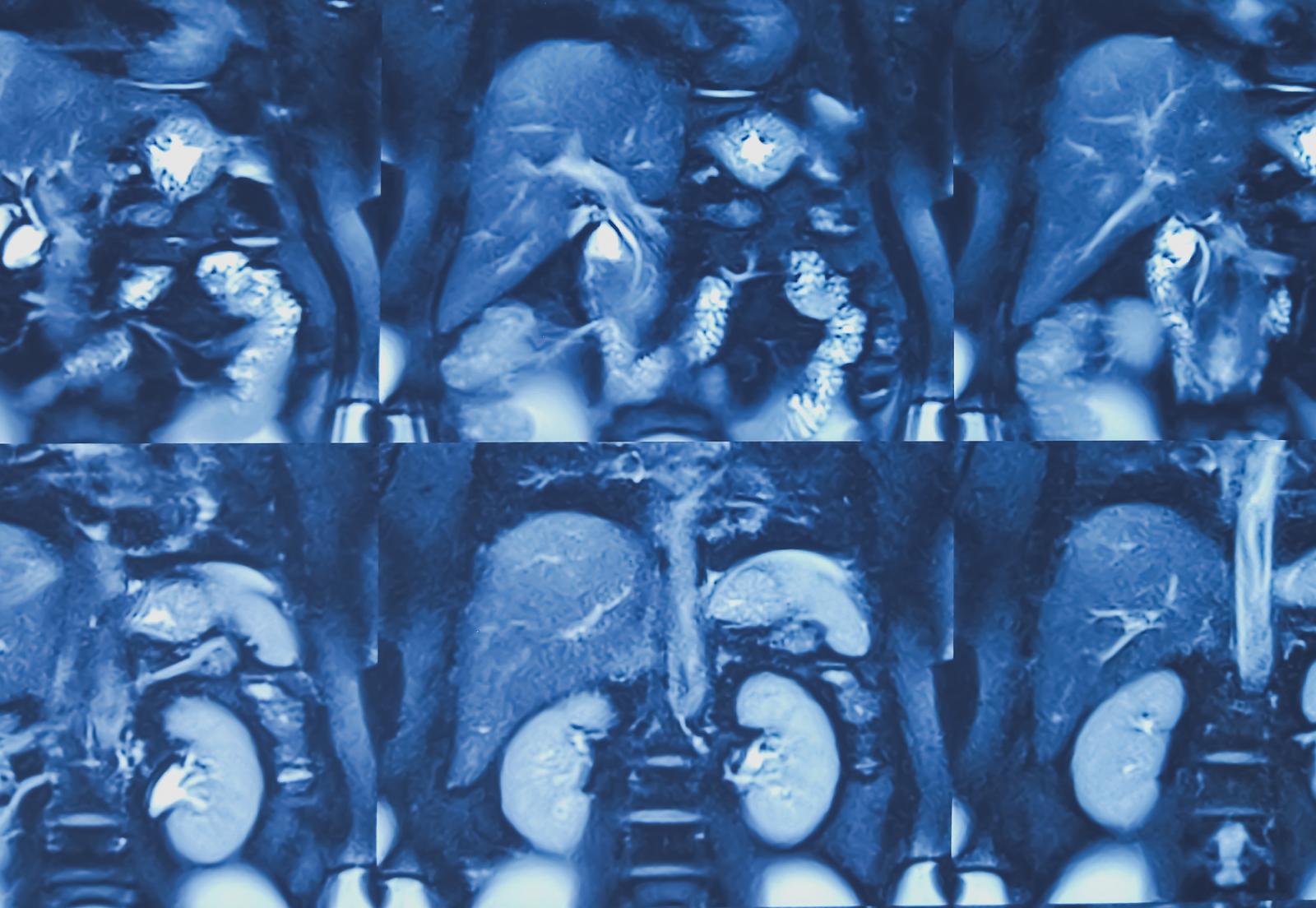

People in England with a rare and aggressive form of biliary tract cancer are set to benefit from a new targeted treatment, after the National Institute for Health and Care Excellence recommended zanidatamab for routine NHS use.
The decision, announced today, will give eligible patients more time with a better quality of life, marking a significant advance for a cancer where treatment options have previously been very limited.
In final draft guidance, NICE recommended zanidatamab for adults with HER2‑positive advanced biliary tract cancer who have already received at least one previous treatment.
Biliary tract cancers affect parts of the body involved in storing and transporting bile, including the bile ducts and gallbladder. The disease is often diagnosed at a late stage when surgery is no longer possible.
In England, fewer than one in three people diagnosed with biliary tract cancer survive for a year, underlining the urgent need for more effective treatments once the disease progresses.
Zanidatamab is a targeted therapy given through an intravenous infusion once every two weeks. It works by recognising and binding to a protein known as HER2, found on the surface of some cancer cells.
By targeting HER2, the treatment helps slow or stop the growth of cancer cells, offering a precision‑based approach rather than broadly attacking the body like traditional chemotherapy.
Around 65 people a year in England are expected to be eligible for the treatment.
Clinical trial evidence reviewed by NICE showed that people treated with zanidatamab lived for an average of 18 months after starting treatment.
This represents a substantial improvement compared with standard chemotherapy, where average survival was around six months for patients with advanced disease whose cancer had already progressed.
The evidence suggests zanidatamab offers a meaningful extension of life for patients facing a poor prognosis.
Another benefit highlighted by NICE is that zanidatamab avoids some of the challenges associated with standard chemotherapy for advanced biliary tract cancer, known as FOLFOX.
Unlike FOLFOX, zanidatamab does not require a surgically implanted device, which can cause side effects such as pain, exhaustion, and nerve damage. This makes the treatment less invasive and easier for patients to manage alongside their condition.
NICE’s independent appraisal committee agreed that a severity weight of 1.7 was appropriate when assessing zanidatamab’s value.
This reflects the significant impact of the condition on survival and quality of life, as well as the lack of effective treatment options previously available for this group of patients.
The higher severity weighting helped support the case for making the treatment available through the NHS.
NICE’s Director of Medicines Evaluation, Helen Knight, said:
“I am pleased we have been able to recommend this effective new treatment option, the first HER2-targeted drug NICE has recommended for people with biliary tract cancer in England.
“Patients and clinical experts involved in the appraisal told us how this treatment would make a huge difference by extending people’s lives and improving their quality of life - something that was not always possible with chemotherapy.
“We are determined to ensure NHS patients in England have access to the most promising new treatments while providing value for the taxpayer."
With NHS access now endorsed in final draft guidance, eligible patients will be able to benefit from zanidatamab while maintaining a better quality of life than previously possible.
NICE is expected to publish final guidance shortly, following which zanidatamab will be fully commissioned across the NHS in England.
Image credit: iStock