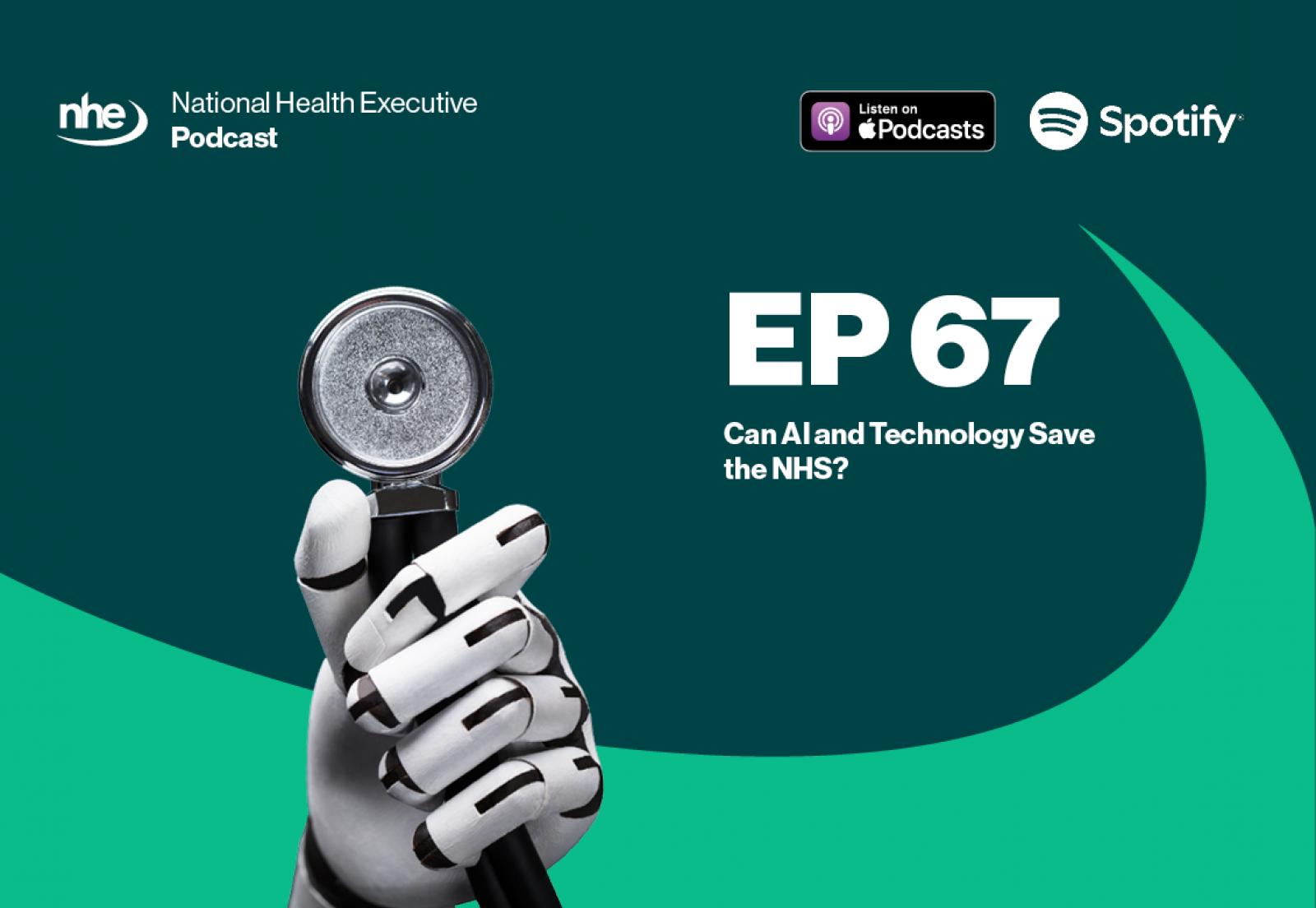

The NHS stands at a crossroads. With rising demands, workforce shortages, and a stretched budget, the question of whether technology can save the NHS is more pressing than ever. In the latest episode of the National Health Executive Podcast, we bring together a panel of experts to explore the transformative potential of artificial intelligence and digital health technologies in addressing these challenges.
As the panel discusses, the current state of the NHS is fraught with difficulties. The pressure on the system is immense, with increasing patient numbers and limited resources. Yet, amidst these challenges, there is a glimmer of hope in the form of digital health. AI is often touted as a game changer, capable of streamlining services, personalising care, and unlocking efficiencies that have previously been out of reach.
Eleanor Wicks, a consultant cardiologist, highlights the various applications of AI in clinical settings. From decision support and diagnostics to remote care delivery, the potential benefits are vast. However, the panel acknowledges that while technology can enhance care delivery, it cannot replace the need for structural reforms within the NHS. The conversation shifts towards the importance of integrating AI into everyday practice, ensuring that these tools are not just implemented but embedded into the fabric of healthcare delivery.
Dr. Matea Delou adds a vital perspective from primary care, where the administrative burden is particularly high. Tools like ambient voice technology are being piloted to alleviate this burden, allowing clinicians to focus more on patient care rather than data entry. Yet, the discussion reveals a critical gap: the need for a cohesive approach to technology implementation across the NHS. The panel agrees that without proper training and infrastructure, the benefits of AI may remain unrealised.
The episode also touches on the role of mathematical modelling in understanding the interconnectedness of the healthcare system. Daniel Gartner explains how predictive analytics can help align demand and capacity, providing insights that could lead to more effective resource allocation. However, the panel is clear that while these innovations are promising, they must be accompanied by a commitment to workforce development and a willingness to adapt.
As the discussion draws to a close, the panel reflects on the future of AI in the NHS. While they are optimistic about the potential for technology to improve patient outcomes, they caution against complacency. The real challenge lies in ensuring that AI and digital health tools are used to complement and enhance human expertise rather than replace it.
In conclusion, this episode offers a nuanced view of the role of technology in the NHS. It is clear that while AI has the potential to transform healthcare delivery, it is not a panacea. The future of the NHS will depend on our ability to integrate these innovations thoughtfully and effectively, always keeping patient care at the forefront. Tune in to hear the full discussion and gain valuable insights into the intersection of technology and healthcare.