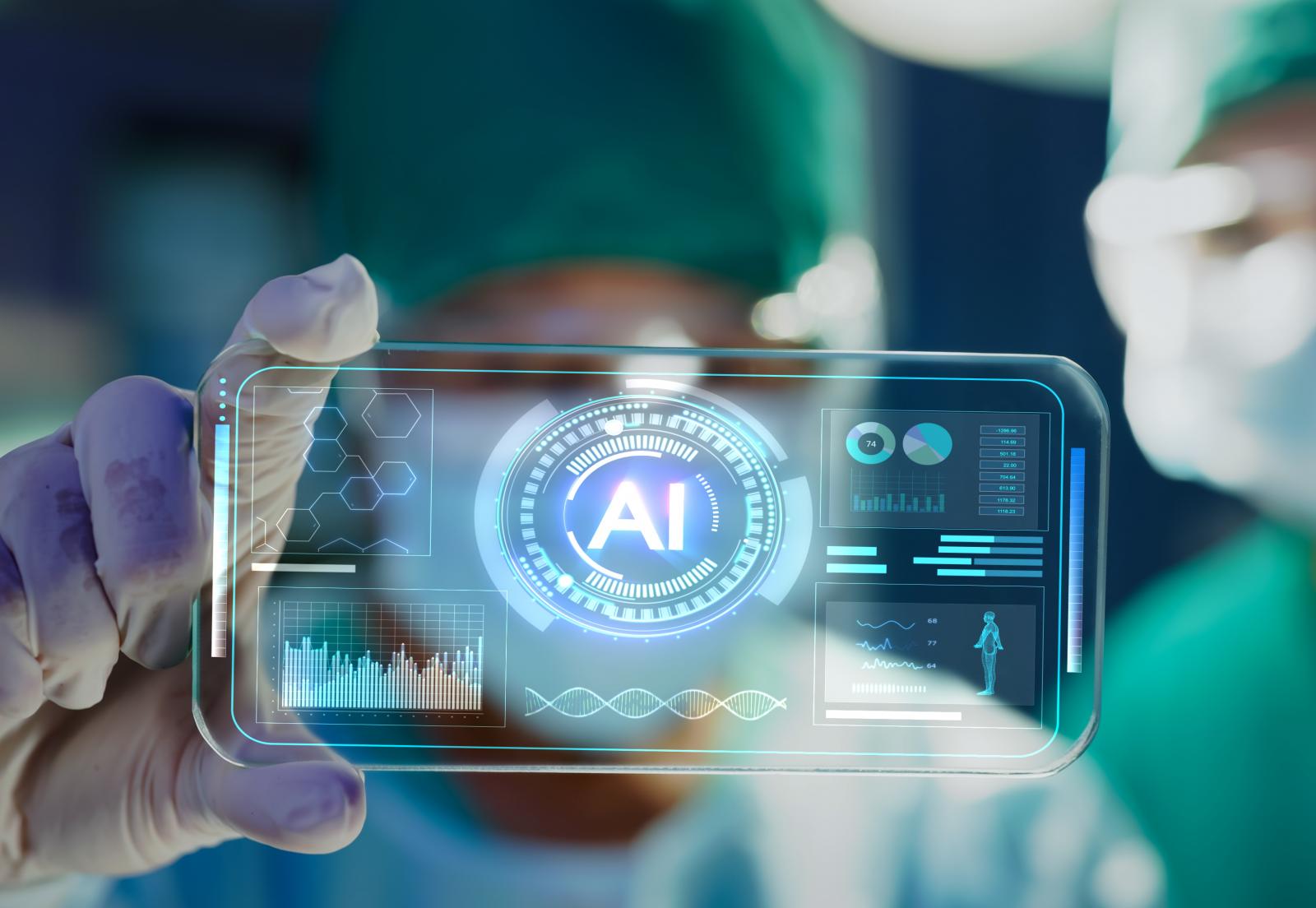

A major acceleration of artificial intelligence deployment across the NHS has been confirmed, with leaders setting out how a £10bn investment in digital, data and technology will be used to transform patient care, reduce waiting lists and ease workforce pressures.
The plan, which underpins around half of the UK Government’s 10 Year Health Plan ambitions, is expected to unlock £41bn in benefits over the next decade. Central to this transformation is a new AI-powered triage system within the NHS App and the widespread rollout of AI notetaking tools to reduce administrative burden on clinicians.
AI triage in the NHS App set for national scale
Following a successful pilot, the NHS App is introducing an AI-driven triage tool designed to direct patients to the most appropriate service first time. Whether patients require a GP appointment, pharmacy advice, emergency care or self-care guidance, the system adapts its questioning based on responses to form a detailed clinical picture before signposting appropriately.
The technology is expected to reach more than 200,000 patients over the next year, with full rollout to all NHS App users planned by April 2028.
Early evidence suggests tangible operational benefits. A Sussex-based GP practice trial reported a 29% reduction in phone queue demand, helping alleviate the well-documented 8am surge while maintaining patient satisfaction.
Importantly, traditional access routes will remain in place, ensuring digital inclusion does not become a barrier to care.
AI notetaking tools deliver productivity gains
Alongside triage, NHS England is expanding the use of “ambient voice technology,” AI tools that transcribe consultations and generate clinical summaries in real time.
Initial deployments have demonstrated strong productivity gains:
- Clinicians are able to spend nearly 25% more time with patients
- Up to 47 minutes per shift saved in emergency settings
- Potential for more than 9,000 additional A&E consultations daily if scaled nationally
A pilot at St George’s Hospital in Tooting showed each clinician could see one additional patient per shift as a result of reduced administrative load.
Rollout is already progressing across multiple trusts, including St George’s, Epsom and St Helier, Croydon, and Kingston and Richmond, with tens of thousands of staff set to benefit. Meanwhile, Alder Hey Children’s NHS Foundation Trust and Manchester University NHS Foundation Trust are expanding adoption to more than 3,000 clinicians.
Digital front door and virtual care expansion
The investment will also expand the NHS’s digital front door. Patients will soon be able to:
- Join virtual consultations through a new “NHS Online” service
- Request follow-up appointments directly via the NHS App
- Access digital rehabilitation and condition management tools for heart and lung diseases
These measures aim to empower patients while reducing reliance on in-person services where clinically appropriate.
Single Patient Record and cyber resilience
A cornerstone of the transformation is the introduction of a Single Patient Record, enabling clinicians across organisations to access a unified and comprehensive medical history.
Additional investments will focus on:
- Improved tools for managing urgent and elective care pathways
- Strengthened cyber security to safeguard NHS systems and patient data
Microsoft Copilot rollout to 500,000 staff
More than 500,000 NHS staff will also gain access to Microsoft Copilot following successful trials. The AI assistant helps clinicians and administrative teams draft documents, analyse data and streamline workflows.
Trial data shows staff reduced time spent on administrative tasks by an average of two days per month – time that can be redirected towards patient care.
Sir Jim Mackey, Chief Executive of NHS England said:
“The major overhaul of tech we’re making over the next few years will transform services.
“The new AI tool in the NHS App will help get patients to the best service for their needs first time – whether that’s a GP appointment, trip to a pharmacy or advice on caring for themselves at home – so that clinicians can make sure those most in need of a GP appointment can get one sooner.
“We’re also seeing huge benefits from the introduction of AI notetaking tools, with clinicians finding they’re able to spend up to a quarter more of their time with patients, so we’re rolling out the tools as quickly as possible across the NHS.
“We’re prioritising the improvements that will make the biggest difference and supporting local leaders to adopt them to drive change in their services – helping to cut waiting lists and improve care for millions of patients so that the NHS is fit for the future.”
For NHS managers and system leaders, the message is clear: AI is no longer a pilot-phase innovation but a core operational tool. The combination of triage automation, workforce augmentation and integrated patient records signals a shift towards a more proactive, digitally-enabled service model.
Image credit: iStock