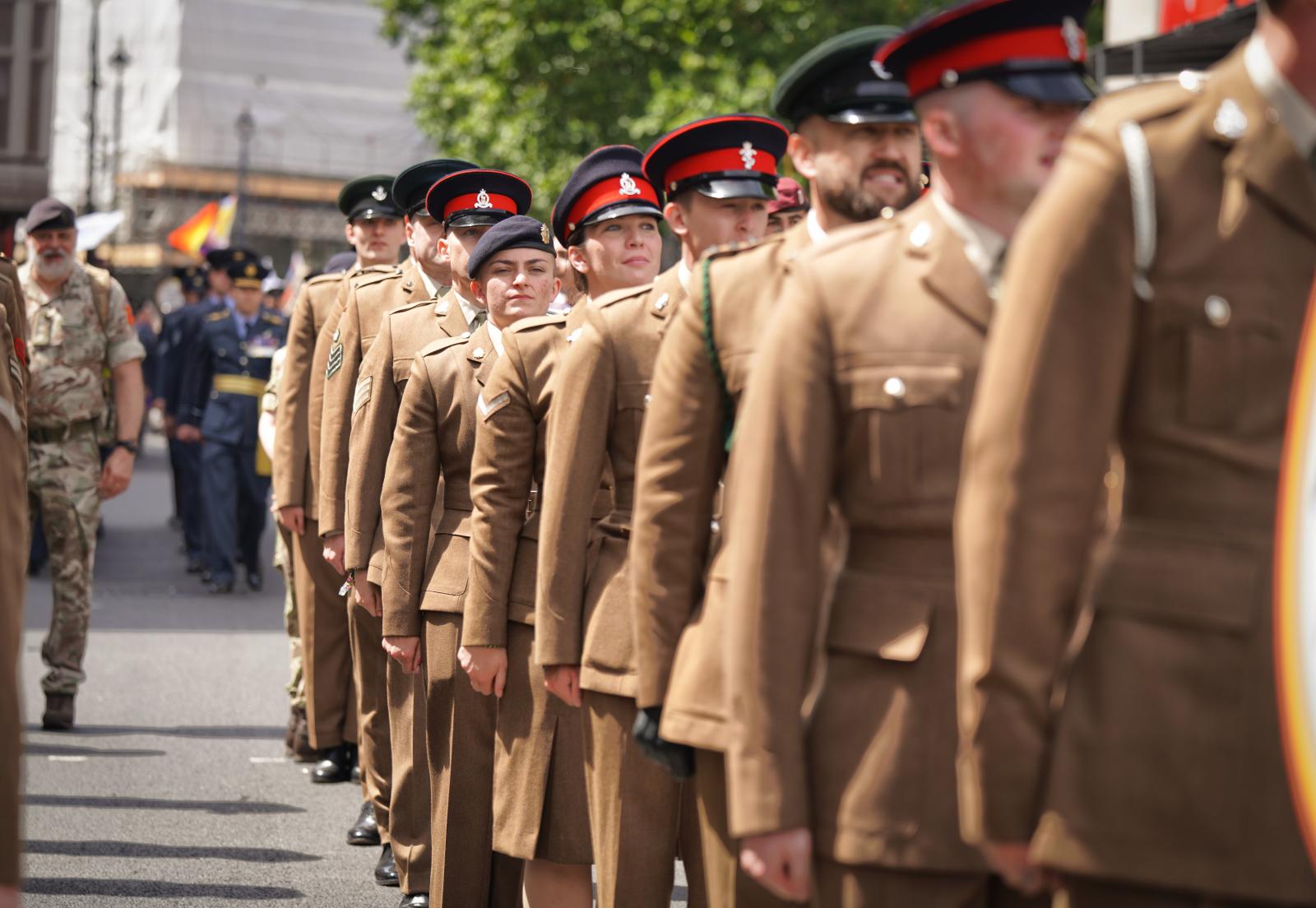

Serving members of the Armed Forces are receiving NHS treatment significantly faster following a targeted initiative designed to reduce delays and improve military readiness.
The Further Faster Armed Forces (FF-AF) programme has helped slash waiting times for injured soldiers, sailors and air personnel by more than four weeks on average, according to new NHS figures.
The initiative saw a specialist NHS central team work alongside 20 trusts serving large military populations during the first six months of the year. The programme focused on identifying bottlenecks in patient pathways, reviewing waiting lists and implementing practical solutions to speed up access to care.
Initially targeting ear, nose and throat services and trauma and orthopaedics, the two specialties with the largest waiting lists among serving military personnel, the programme has delivered substantial improvements in access to elective treatment.
ENT waiting times across participating trusts fell from a median of 16.9 weeks to 11.8 weeks in just six months. Meanwhile, waits for trauma and orthopaedic care, which includes procedures such as knee, shoulder and hip repairs, dropped from 13.9 weeks to 9.7 weeks.
The reductions equate to an average decrease of four weeks and four days, helping military personnel receive treatment sooner and return to operational duties more quickly.
Frequent relocations are a unique challenge for Armed Forces personnel accessing NHS services. Service members often move between different NHS regions during treatment, which can result in reassessment requirements or transfers between providers, creating delays in care.
The FF-AF programme was developed to address these barriers and ensure healthcare access is not adversely affected by the demands of military service.
Professor Tim Briggs, Chair of the GIRFT Programme, NHS England National Director and Lead for the Further Faster Armed Forces partnership and Honorary Colonel of 202 (Midlands) Field Hospital RAMS, said:
"Those who serve our country should not face unnecessary delays in accessing NHS care because of where they are posted or the demands of military life.
“We need personnel who are fit and ready to be deployed and this programme has demonstrated this is achievable.
“By bringing in reinforcements and taking the right expertise to where it is needed, we can get patients treated faster.
“We’ve delivered significant reductions in waiting times in 6 months, helping patients receive treatment sooner while supporting the operational readiness of our armed forces.”
NHS England and Defence Medical Services are continuing efforts to improve healthcare access for serving personnel, with further work underway to determine whether the successful model can be expanded into additional specialties and more NHS trusts across the country.
The results underline how targeted operational improvements and closer collaboration between healthcare providers can reduce waiting lists while supporting the health and deployment readiness of the UK's Armed Forces.
Image credit: iStock