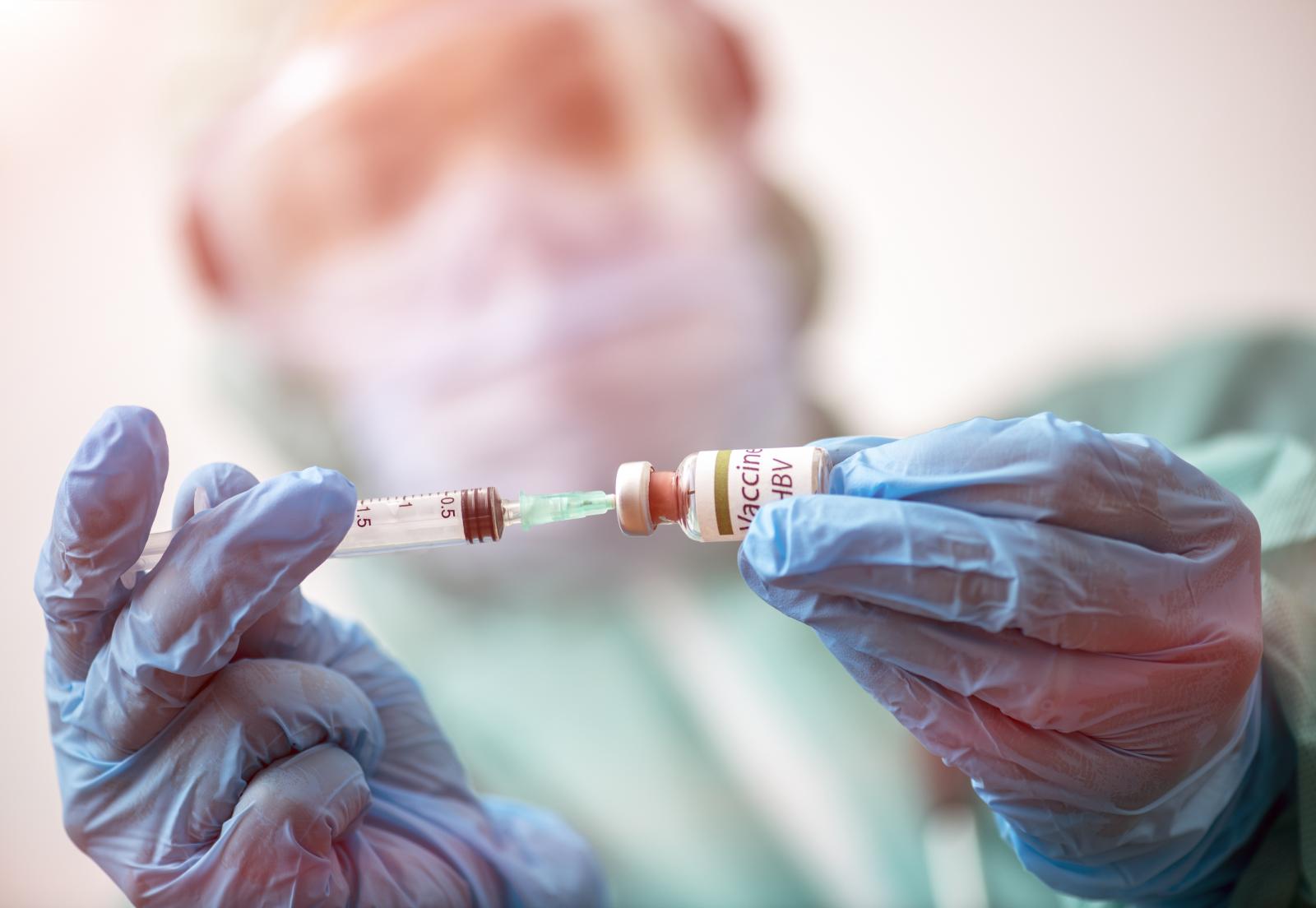

More than 100,000 people in England have now accessed potentially life-saving treatment for hepatitis C over the past decade, marking a major milestone in the NHS's drive to eliminate the virus and position England among the first countries in the world to eradicate the disease.
New NHS figures reveal that since the introduction of pioneering antiviral treatments in 2015, over 100,000 people have been diagnosed and treated for hepatitis C, a virus that attacks the liver and can lead to severe, potentially fatal complications if left untreated.
Often described as a "silent disease", hepatitis C frequently causes no symptoms until significant liver damage has already occurred. As a result, thousands of people may be living with the infection without realising they have it.
Today, treatment is straightforward and highly effective. Patients are offered a free course of antiviral tablets lasting between eight and 12 weeks, with cure rates exceeding 95%.
The announcement comes as the NHS encourages people who may be at greater risk of undiagnosed hepatitis C to order a free, confidential home-testing kit through its dedicated online service.
Groups being encouraged to test include people who:
- Have moved to England from certain Eastern European countries
- Have received a tattoo abroad
- Previously used, or currently use, injectable drugs
The NHS is particularly urging adults born in Ukraine, Romania, Estonia, Latvia, Poland, Albania, Lithuania, Bulgaria, Czechia and Slovakia to take a test. Many individuals from these countries may have been exposed through medical or dental procedures carried out before 1991, when modern sterilisation standards became widely adopted.
Once considered a life-limiting condition, hepatitis C is now regarded as one of the most treatable viral infections. NHS estimates suggest effective treatment could reduce the number of people requiring liver transplants by 80% over the next decade, while also significantly cutting rates of liver cancer and cirrhosis.
England has already surpassed the World Health Organization benchmark of treating 80% of known cases and has achieved a 36% reduction in hepatitis C-related deaths over the last ten years.
In recent years, the NHS has significantly expanded testing efforts to identify hidden cases.
One of the most successful initiatives has been the introduction of routine hepatitis C testing for eligible patients having blood tests in many emergency departments. Since 2022, the scheme has identified around 1,900 previously undiagnosed infections.
The NHS has also incorporated hepatitis C screening into the registration process for new GP patients by asking whether they received a blood transfusion before 1996. The move aims to identify people who may have been affected by the contaminated blood scandal and remain undiagnosed.
The progress has been supported by a groundbreaking agreement signed in 2019 between the NHS and pharmaceutical companies Gilead Sciences, MSD and AbbVie. The deal enabled large-scale access to cutting-edge antiviral treatments, helping thousands of patients receive curative therapies.
The NHS home-testing service, available through hepctest.nhs.uk, has been operating for more than three years. It provides a confidential alternative for individuals who may not wish to discuss potential exposure risks with a GP or who are not already in contact with healthcare services.
Professor Frankie Swords, NHS national medical director, said:
“Hepatitis C can cause serious harm, including liver failure and cancer, yet many people live with it for years without knowing or having any symptoms at all until it’s too late.
“That’s why the NHS has worked hard alongside public health teams and charities to find and treat hidden cases, and it’s really encouraging that over 100,000 people have now received potentially life-saving treatment in just a decade.
“England is now leading the world in the mission to eliminate this disease and on course to beat the WHO’s 2030 target, but we are determined to keep up the momentum and finish the job.
“With hepatitis C curable in more than nine out of ten cases, we are committed to finding and treating everyone who needs support and would urge those at greater risk to come forward by ordering a free and confidential home-testing kit online.”
Image credit: iStock