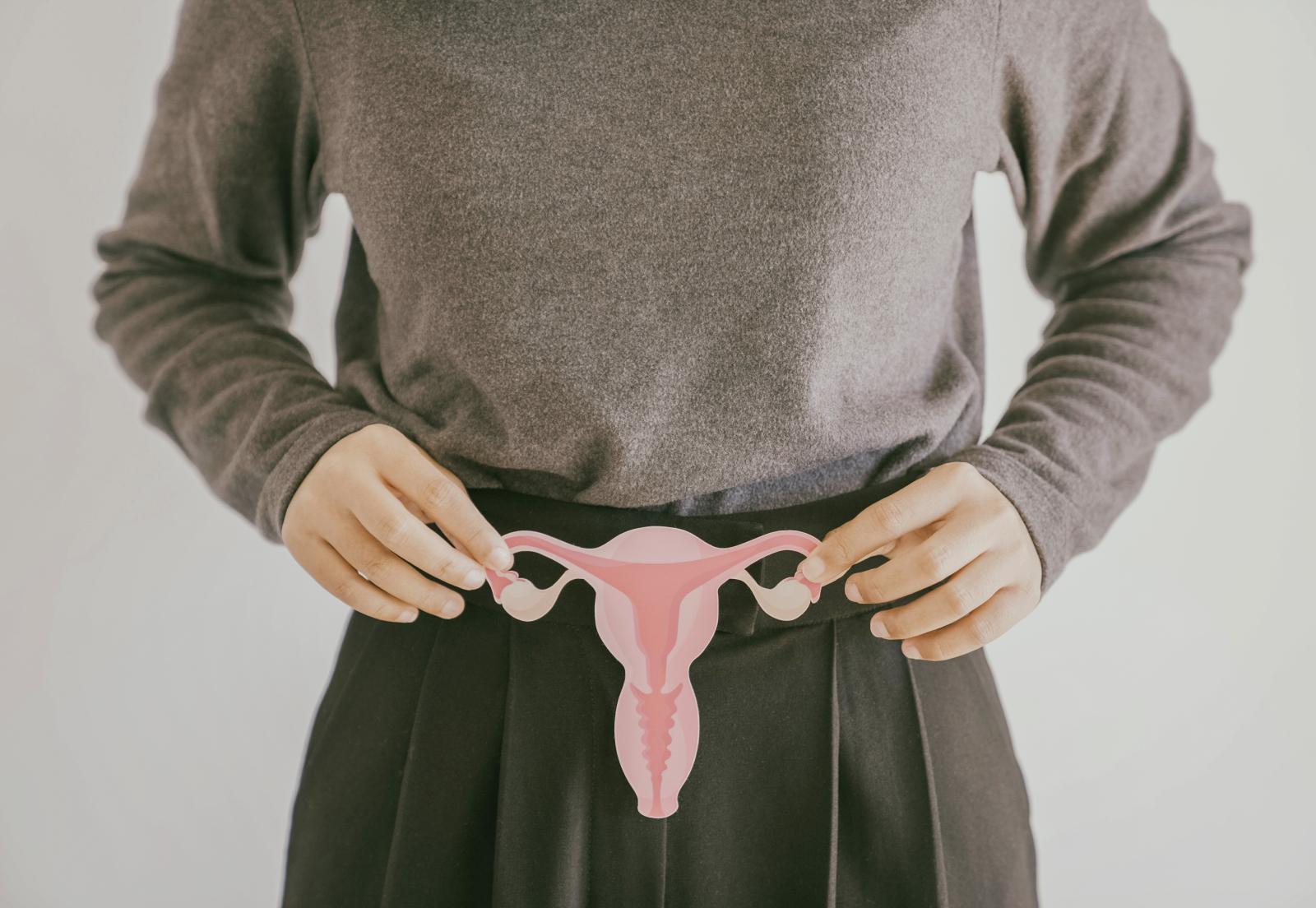

Nearly four million women in England who have not responded to previous cervical screening invitations will be offered an NHS HPV self-testing kit as part of a major effort to increase participation in cervical cancer prevention programmes.
The rollout, which begins today, marks a significant development in the NHS's ambition to eliminate cervical cancer by 2040. The initiative is designed to make screening more accessible for women who may face barriers to attending traditional cervical screening appointments.
The new self-testing kits allow eligible women to collect a sample at home using a simple swab, similar to a long cotton bud. The sample can then be returned to the NHS free of charge and tested for high-risk strains of human papillomavirus (HPV), the virus responsible for almost all cases of cervical cancer.
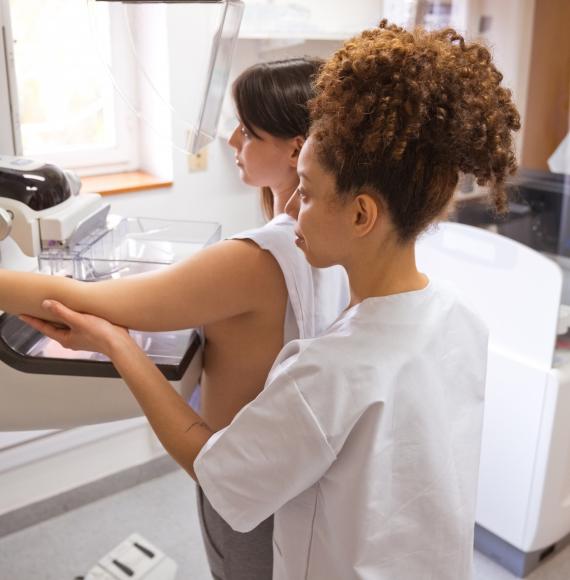
Women who test positive for high-risk HPV will be invited to attend a follow-up cervical screening appointment at their GP practice or sexual health clinic, where clinicians can check for any abnormal cell changes that may require further investigation or treatment.
The move comes as NHS England seeks to tackle persistently low screening uptake rates. Latest figures show that just 68.8% of eligible women are currently up to date with their cervical screening, significantly below the NHS England target of 80%. As a result, around four million women are missing routine checks that could help prevent cervical cancer or detect problems earlier.
Dr Sue Mann, National Clinical Director for Women's Health at NHS England, said:
“Screening saves thousands of lives each year by preventing cancers and catching them earlier, but only around two-thirds of women are attending cervical screening appointments when invited by the NHS.
“Offering millions of women an alternative test they can do from the comfort of their own homes will be a gamechanger – making it easier than ever for them to get tested for HPV.
“There are lots of reasons that may stop women from getting their cervical screening – embarrassment, lack of time, or worries about discomfort – and these kits provide a discreet and convenient option we hope will encourage more women to take up the life-saving test.
“So, if you’re invited to take part, please order a test – it’s a simple swab you can do at home in minutes.”
Healthcare leaders hope the flexibility of home testing will help address some of the most common reasons women choose not to attend screening appointments, including time pressures, concerns about discomfort and feelings of embarrassment.
Eligible women will begin receiving invitations through the NHS App, text messages, email or traditional letters. Once invited, they will be able to order a home-testing kit through their NHS online account or via the NHS App.
The programme is initially being rolled out for women aged 30 to 65 who have not attended screening appointments following previous NHS invitations. It is an invitation-only service and will be introduced in phases across England through the NHS Cervical Screening Programme.
The national rollout follows the success of the YouScreen trial, delivered by North London cancer alliances in partnership with NHS England and King's College London. The study found that offering self-testing kits to under-screened women could increase screening uptake by approximately 400,000 women each year.
Evidence from the trial informed recommendations made by the UK National Screening Committee to introduce HPV self-testing more widely across England.
While the introduction of home testing offers an additional option, NHS England has emphasised that clinician-led cervical screening remains the most effective way to prevent cervical cancer. Women who regularly attend screening appointments should continue to do so, while those who have previously missed invitations are encouraged to take advantage of the new alternative.
Health leaders have also reminded women that attending cervical screening remains important even if they have received the HPV vaccine, as vaccination does not protect against every strain of the virus associated with cervical cancer.
The initiative represents one of the most ambitious screening accessibility programmes introduced by the NHS in recent years and forms a key part of wider plans to improve early detection, reduce health inequalities and ultimately eradicate cervical cancer as a public health concern.
Image credit: iStock