

People living with spinal muscular atrophy (SMA) in England are set to gain routine access to two potentially life‑changing treatments, following the publication of final draft guidance from NICE.
The decision means that, for the first time, everyone diagnosed with SMA will have a routinely available treatment option on the NHS, marking a major milestone in the management of the rare and life‑limiting condition.
Spinal muscular atrophy is a rare inherited disorder that causes progressive muscle weakness, affecting movement, breathing and swallowing.
In its most severe forms, the condition can lead to death in early childhood, often before the age of two. Around 1,150 people in England are living with SMA types 1 to 3, many facing significant challenges to independence and quality of life.
NICE’s decision recognises the urgent need for effective treatments and reflects growing evidence that new therapies can provide meaningful improvements.
The guidance recommends the routine use of nusinersen and risdiplam, both of which were previously available through managed access agreements while further evidence was gathered.
Under the new recommendations, nusinersen can be used for both pre‑symptomatic and symptomatic patients who have not responded to gene therapy with onasemnogene abeparvovec.
Risdiplam will be offered to patients with SMA types 1, 2 and 3 who have not benefited from gene therapy, as well as for pre‑symptomatic cases where gene therapy is not suitable.
This flexible approach reflects the reality that there is no single treatment pathway suitable for all patients, allowing clinicians and families to choose the most appropriate option.
The decision is underpinned by strong clinical evidence demonstrating that both treatments can significantly improve patient outcomes.
Studies show that these therapies can:
- Increase survival rates
- Slow disease progression
- Help maintain mobility and independence
In children, the treatments have also supported the achievement of important developmental milestones such as sitting, standing and walking.
Evidence also indicates a reduction in the need for permanent ventilation, representing a major improvement in quality of life.
Data collected during the managed access period highlighted wider benefits that go beyond clinical measures.
Patients reported improvements in both physical and mental wellbeing, along with fewer emergency hospital admissions, particularly for respiratory complications.
Many individuals also experienced greater participation in education, employment and social activities, reflecting a broader impact on everyday life.
The benefits of the treatments have also been felt by families and carers. Improved patient health has led to better mental wellbeing for carers, as well as improved sleep and a greater ability to balance caring responsibilities with work and family life.
NICE noted that even relatively small improvements – such as maintaining movement in the hands or arms – can have a significant impact, enabling patients to communicate, use technology and engage more fully in daily life.
The independent committee also highlighted that, in a progressive condition like SMA, stabilising the disease can be as valuable as improving symptoms.
Preventing further decline allows patients to maintain independence and preserve quality of life, which is particularly important in conditions where deterioration is otherwise inevitable.
Both treatments were previously made available through managed access agreements, allowing patients to benefit while evidence on effectiveness was gathered.
The move to routine commissioning reflects confidence in the clinical and real‑world data, ensuring patients can now access treatment without uncertainty about future availability.
The approval of nusinersen and risdiplam marks a significant step forward in the treatment of spinal muscular atrophy. By offering multiple treatment options and recognising the value of both improvement and stability, the guidance represents a more personalised and patient‑centred approach to care.
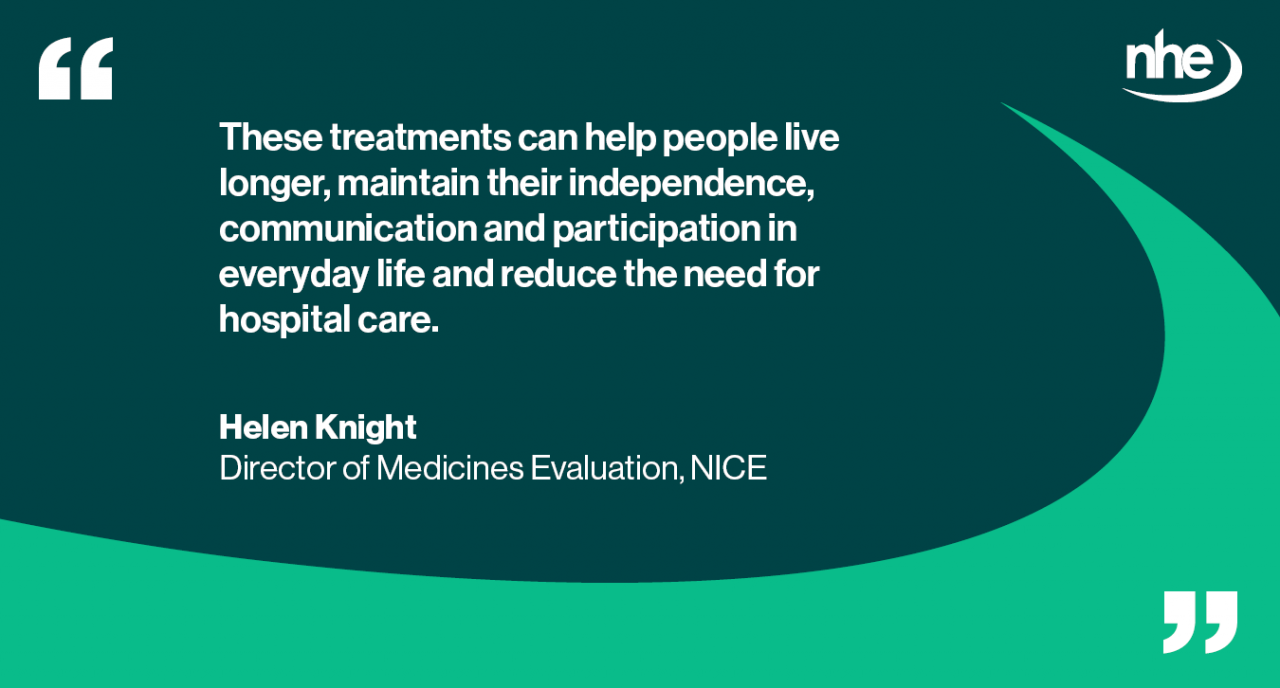
Director of Medicines Evaluation at NICE, Helen Knight, said:
“Spinal muscular atrophy is a devastating condition that affects every aspect of daily life for people living with it and for their families. After carefully reviewing the latest evidence and real-world experience from the NHS, our independent committee concluded that nusinersen and risdiplam can offer substantial, life‑changing benefits for many people with SMA.
“These treatments can help people live longer, maintain their independence, communication and participation in everyday life and reduce the need for hospital care.
“By recommending routine NHS access to nusinersen and risdiplam, NICE has recognised both the severity of SMA and the transformational impact these treatments can have on people’s lives. For patients and families affected by SMA, the guidance represents a major step forward—offering greater certainty, improved quality of life and renewed hope for the future.”
With routine access now in place, more people with SMA will be able to benefit from therapies that can significantly alter the course of the disease.
The decision is expected to improve long‑term outcomes, reduce the burden on families and support better quality of life for those living with the condition.
Image credit: iStock