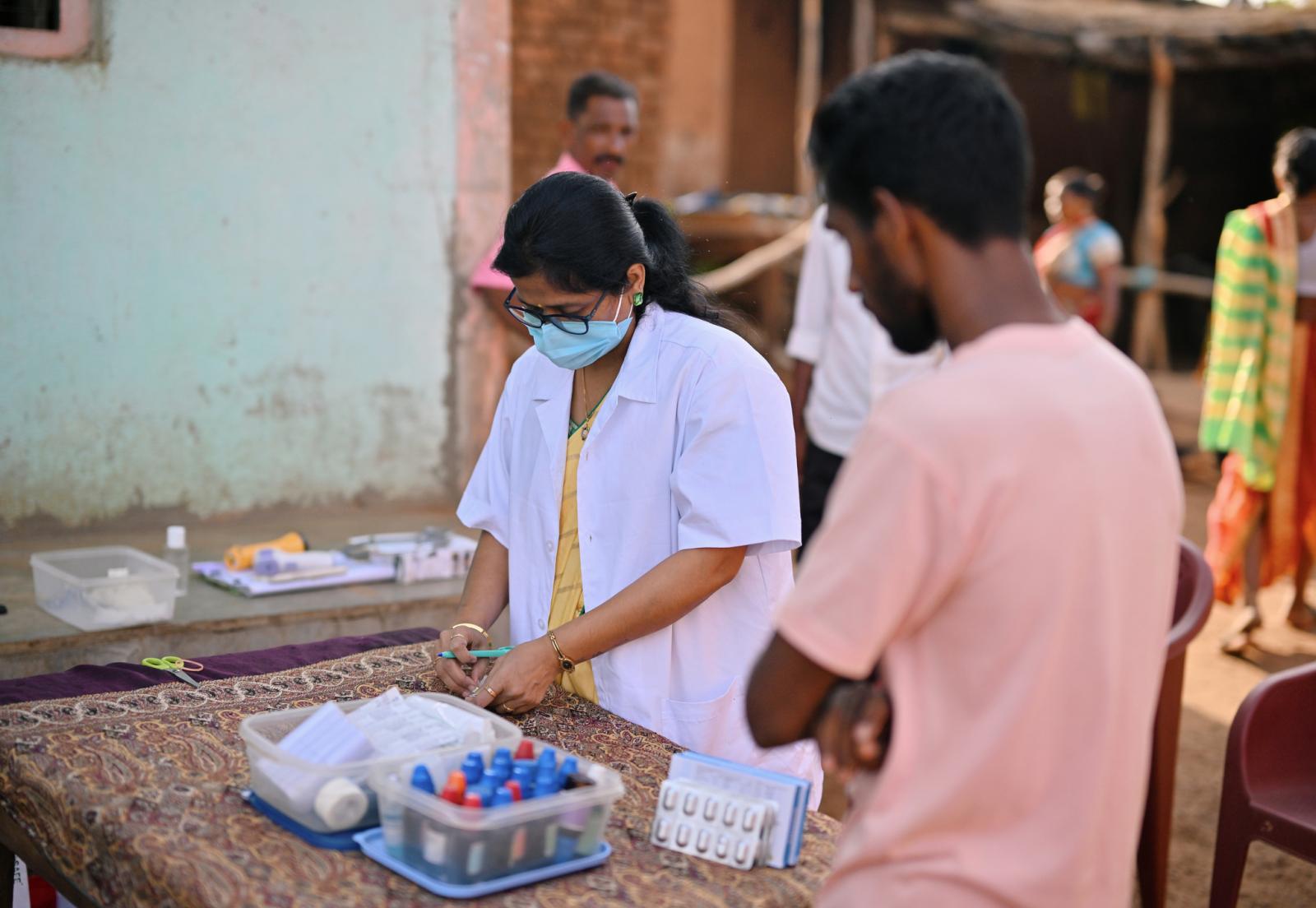

The National Institute for Health and Care Research has announced a new global health funding opportunity aimed at tackling antimicrobial resistance (AMR).
The funding call forms part of NIHR’s newly refreshed global health research‑themed programme, which will offer a different themed funding opportunity each year. The initiative is funded by the Department of Health and Social Care (DHSC) and focuses on turning promising research into solutions that can be embedded into everyday healthcare.
The new programme is designed to support later‑stage research, including clinical trials, that tests effective approaches and integrates them into routine services.
Its aims are to:
- Reduce the impact of antimicrobial resistance
- Strengthen health systems
- Improve health outcomes for vulnerable populations, including maternal, newborn, child and adolescent health
Funding will prioritise research in sub‑Saharan Africa and South Asia, regions that carry a high burden of AMR and where health systems are often under the greatest pressure. However, NIHR says the findings are also expected to deliver benefits globally, including for patients in the UK.
Researchers can apply for funding ranging from £500,000 to £5 million, supporting projects with the potential to deliver measurable change.
The funding announcement builds on NIHR‑supported research already demonstrating how innovation can strengthen responses to AMR.
Work delivered by the Global Health Research Unit on Genomics and Enabling Data for Surveillance of AMR has shown how genomic surveillance can help countries respond more quickly and effectively to emerging drug resistance.
Across India, the Philippines, Nigeria and Colombia, the unit has enabled earlier detection of resistance outbreaks, improved infection control practices and supported the use of genomic data in real‑time public health decision‑making.
As a World Health Organisation Collaborating Centre on Genomic Surveillance of AMR, the Global Health Research Unit is also helping to shape international policy.
Its work supports countries in embedding genomic surveillance within national health systems and contributes to global WHO initiatives, improving how antimicrobial resistance is tracked, understood and addressed worldwide.
The tools and platforms developed through the programme are strengthening the global evidence base and enabling coordinated responses across borders.
The approach is already delivering tangible benefits.
In Nigeria, genomic analysis uncovered a previously undetected E. coli outbreak in an intensive care unit, allowing rapid action to reduce spread. In the Philippines, genomic surveillance identified outbreaks affecting newborn babies that had gone unnoticed, leading to improved national surveillance practices and stronger infection control.
These examples show how research that is designed for scale and practical use can accelerate public health action and protect those most at risk.
The new funding opportunity, titled “Tackling bacterial and fungal AMR in sub‑Saharan Africa and South Asia”, will support research led by low‑ and middle‑income countries (LMICs).
Projects are expected to bring together diverse international teams to generate evidence that reflects local needs and priorities, while being capable of rapidly informing policy and practice.
NIHR says a central aim is to support research that:
- Produces results that can be implemented quickly
- Strengthens local health systems over the long term
- Is inclusive, community‑informed and focused on the poorest and most vulnerable populations
NIHR CEO, and Chief Scientific Advisor at the Department of Health and Social Care, Professor Lucy Chappell said:
“Antimicrobial resistance is making it harder to treat everyday infections, with the greatest impact on people in low-resource settings.
“The research we fund will generate solutions that can be used in health settings and communities in sub-Saharan Africa and South Asia to prevent infections and improve diagnosis and access to effective treatments – so vulnerable groups, including women, babies, children and adolescents, get safer care and better outcomes.”
By prioritising later‑stage, translational research, the programme aims to bridge the gap between innovation and impact, ensuring effective solutions to antimicrobial resistance are not confined to the laboratory.
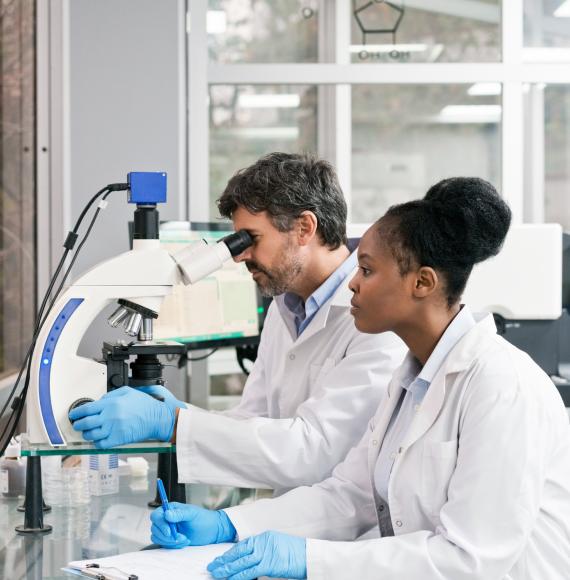
Image credit: iStock