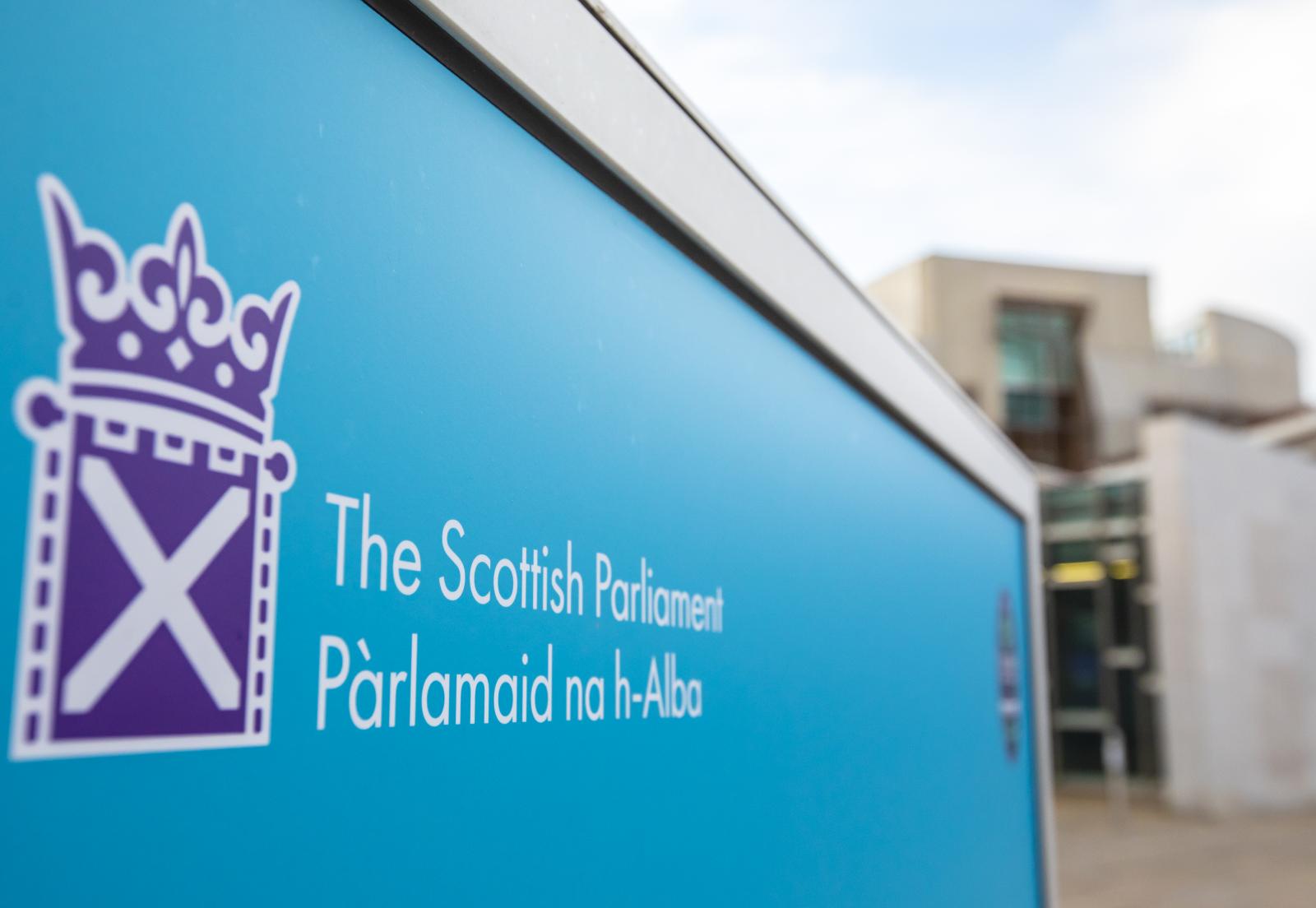

Scotland’s health and social care services will receive additional support this winter through a wide-ranging preparedness plan designed to reduce pressure on the NHS, improve access to community-based care and tackle waiting lists.
Unveiled by Angela Constance, Scotland's Health Secretary, the national winter health plan outlines a series of measures aimed at helping the health service manage seasonal demand while encouraging the public to make informed choices about accessing care.
The strategy places a significant emphasis on treating more patients closer to home, expanding vaccination uptake and improving patient flow through hospitals during what is traditionally the NHS’s busiest period.
A key component of the plan is the continued expansion of Scotland's Hospital at Home service. The initiative is expected to benefit more than 10,000 additional patients, allowing more people to receive hospital-level treatment in their own homes and reducing pressure on acute hospital beds.
The plan also reinforces a Home First approach, supporting individuals to recover and receive care in community settings whenever clinically appropriate.
To help patients access the most suitable healthcare services, a new national public information campaign will launch at the end of October.
The campaign will focus on directing people to the right care setting for their needs, helping to reduce unnecessary attendances at Accident and Emergency departments while ensuring urgent and emergency services remain accessible to those who need them most.
The Scottish Government is also urging eligible residents to take up seasonal vaccinations, including the flu vaccine, ahead of winter.
Last winter alone, flu resulted in almost 6,700 hospital admissions across Scotland, including around 5,000 adults and 1,700 children. Officials hope increased vaccine uptake will help minimise severe illness and reduce demand on frontline NHS services.
The winter preparedness package includes targeted planned-care funding from the £90 million investment announced earlier this year. This funding will be used to support additional operations and procedures during the winter months, helping NHS boards reduce waiting times for patients.
Alongside this, further implementation of Scotland's national hospital flow improvement programme will seek to increase bed availability, improve patient movement through hospitals and reduce delays in discharge.
Speaking as she launched the winter health plan, Scottish Health Secretary Angela Constance said:
“A collective effort will be critical in the months ahead as we look to support our NHS through the winter. There is a role for everyone in Scotland to play.
“Seasonal illnesses, including flu, are already beginning to circulate, and I encourage everyone who is eligible to come forward for vaccination when invited. Last winter, almost 5,000 adults and 1,700 children in Scotland were hospitalised as a result of flu. Getting vaccinated protects you and those around you.
“It’s also important people know how and where to access care. Attendances at A&E remain extremely high, and many people could be treated more appropriately in services closer to home.
“A&E should be used for emergencies. Choosing the right service can help people receive advice and treatment more quickly while ensuring emergency care remains available for those who need it most.”
Image credit: iStock