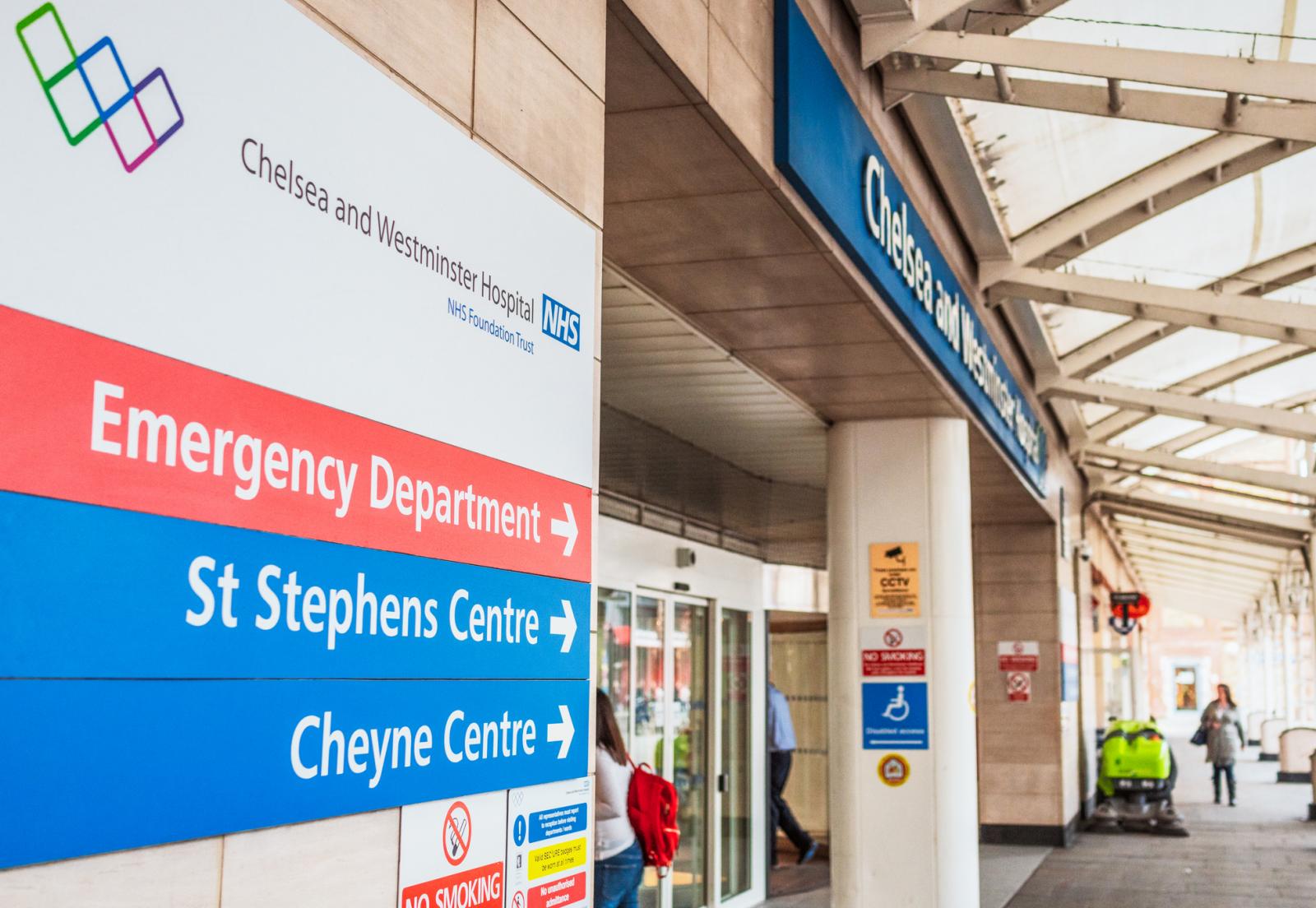

Chelsea and Westminster Hospital NHS Foundation Trust has demonstrated how artificial intelligence can significantly reduce the time taken to diagnose suspected deep vein thrombosis (DVT), following a successful three-month pilot using AI-powered ultrasound technology.
The initiative combined a handheld ultrasound device with real-time AI guidance, enabling clinicians to conduct scans during a patient's first appointment and receive rapid specialist review. The approach has the potential to reduce delays in diagnosis, improve patient experience and ease pressure on overstretched diagnostic services.
Developed by ThinkSono, the technology guides clinicians through the ultrasound scanning process while images are reviewed remotely by specialist sonographers or radiologists. This enables frontline teams to make faster clinical decisions and determine whether further investigations or treatment are required.
The pilot was carried out in the Same Day Emergency Care (SDEC) service at Chelsea and Westminster Hospital and was funded by CW+, the Trust's official charity, through CW Innovation, the joint innovation programme between the Trust and CW+.
During the three-month evaluation, clinicians completed 120 examinations for patients with suspected DVT. In 97 cases, the technology successfully ruled out the presence of a blood clot.
The results showed that the typical time from beginning a scan to receiving a clinical decision was less than 30 minutes, while 80% of patients were safely discharged following their first scan.
By enabling earlier diagnosis or exclusion of DVT, the pathway helped many patients avoid repeat hospital appointments, lengthy waiting times and unnecessary anticoagulant treatment while awaiting confirmation of their condition.
Only fewer than 20% of patients required a follow-up departmental ultrasound after their initial ThinkSono assessment.
For patients who required additional investigations, the average waiting time between first presentation and diagnosis fell from 19 hours to nine hours.
The reduction meant patients diagnosed with DVT were able to receive confirmation of their condition and begin appropriate treatment on the same day.
DVT affects approximately one in every 1,000 adults annually and occurs when a blood clot develops in a deep vein, most commonly in the leg. The condition can result in serious complications, including pulmonary embolism, making timely diagnosis and treatment essential.
Traditionally, diagnosis relies on ultrasound imaging performed by specialist sonographers, often creating bottlenecks that can delay treatment and increase demand on imaging departments.
The introduction of the AI-supported pathway also led to marked improvements in performance against recommended clinical timeframes.
Within just four weeks of implementation, the proportion of patients receiving a scan report within the NICE-recommended four-hour window increased from 18% to 51%.
These improvements suggest AI-supported point-of-care ultrasound could play an important role in supporting NHS services to manage rising demand while maintaining high standards of patient care.
The project was highlighted in Chelsea and Westminster Hospital NHS Foundation Trust's Outstanding Care Quality Commission (CQC) report, published on 7 August 2026, as an example of innovative service delivery with the potential to reduce unnecessary admissions and improve waiting times.
Following the success of the pilot, the Trust is now exploring opportunities to expand the use of the technology across additional services, supporting faster diagnoses and better patient outcomes.
As NHS organisations continue to seek innovative solutions to workforce and capacity challenges, the results from Chelsea and Westminster Hospital provide a compelling example of how AI can be integrated into clinical pathways to improve efficiency, accelerate diagnosis and enhance patient experience.
Image credit: iStock