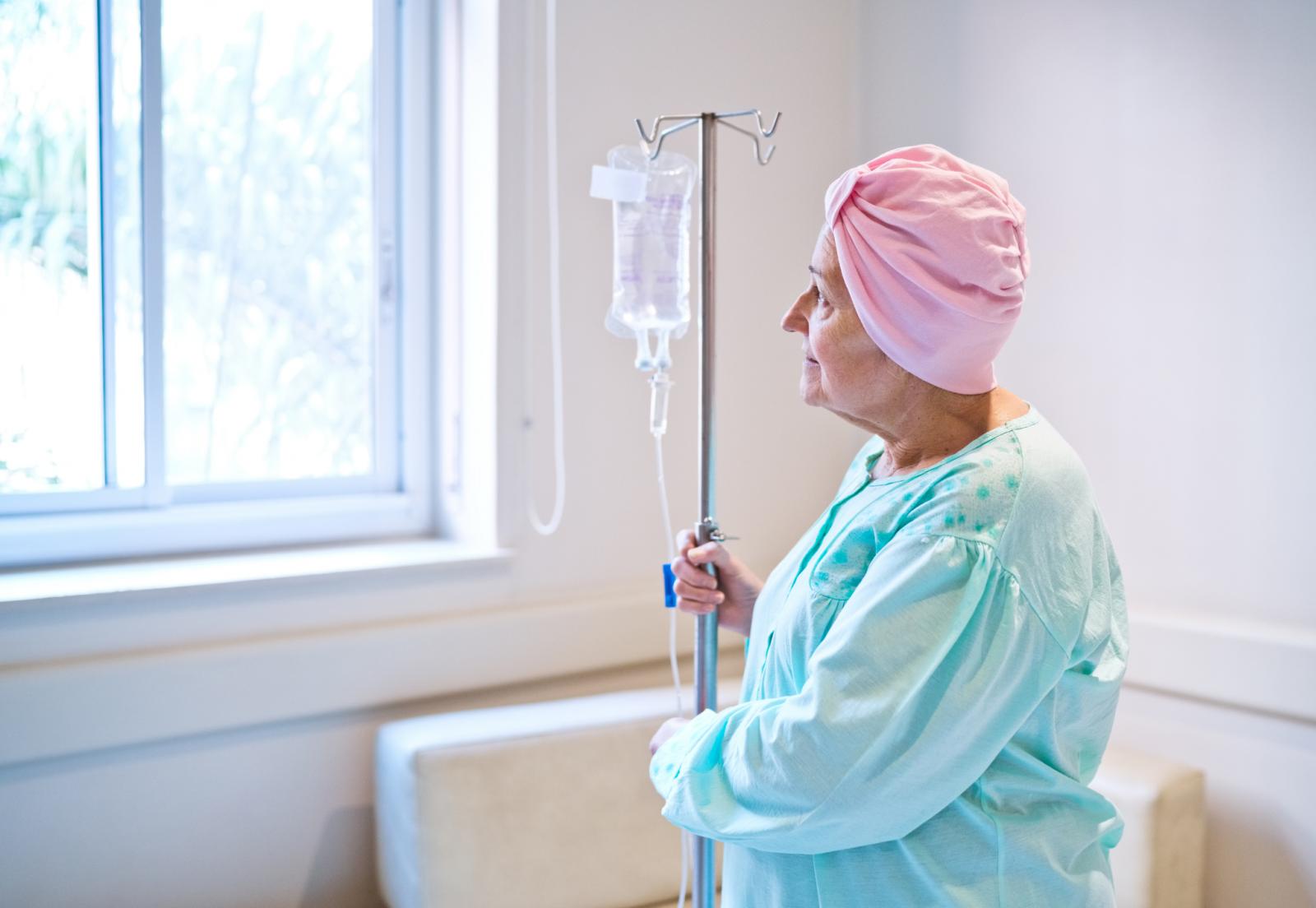

More than 403,000 people are now diagnosed with cancer every year in the UK, the highest number on record, according to Cancer Research UK’s Cancer in the UK Report 2026.
That equates to around 1,100 new diagnoses every day, or one person every 80 seconds, underlining the growing scale of the UK’s cancer challenge and the pressure facing health services across all four nations.
The report comes at a critical moment. Over recent decades, the UK has made substantial gains against cancer. Today, one in four people diagnosed with cancer will survive for at least 10 years, compared with far fewer in the early 1970s. Cancer death rates are now at their lowest level ever recorded.
However, Cancer Research UK warns that the combination of rising case numbers and sustained pressure on the NHS means this progress is at risk of stalling without further action.
The main driver behind the increase in cancer cases is the UK’s growing and ageing population. Cancer risk rises with age, and more people are living into later life.
But ageing alone does not explain the trend. Even when adjusted for population age, cancer incidence rates have risen since the early 1990s, pointing to additional factors.
Improved diagnosis and expanded screening have rightly led to more cancers being detected earlier. Alongside this, however, the report highlights rises in preventable risk factors, particularly overweight and obesity, and the continued impact of tobacco use.
Smoking remains the UK’s leading preventable cause of cancer, responsible for around 57,700 cases each year, despite smoking rates being at historic lows. An estimated 5.3 million adults still use tobacco.
The forthcoming Tobacco and Vapes Bill, set to become law, will create the UK’s first smokefree generation by banning tobacco sales to anyone born on or after 1 January 2009.
However, the report stresses that people who can legally buy tobacco today must also be supported to quit, particularly in deprived communities, where smoking‑related health inequalities remain stark.
Obesity is also flagged as a growing concern, with overweight and obesity linked to more than one in 20 cancer deaths. Recent restrictions on marketing foods high in fat, salt and sugar are welcomed, but Cancer Research UK says they must be robustly enforced and accompanied by a wider, long‑term strategy to support healthy weights.
Preventing cancer is only part of the solution. To improve outcomes for those who do develop the disease, the NHS must also diagnose cancer earlier, when treatment is more effective.
Screening programmes play a vital role. Currently, around 6–7% of cancers in the UK are detected through screening, but the report estimates England could raise this to around 9% by expanding and optimising its screening programmes for breast, bowel, cervical and lung cancer.
That could mean 11,000 additional cancers caught earlier.
The single most impactful change would be full implementation of targeted lung screening for people aged 55 to 74 with a smoking history, which could alone detect nearly 7,800 additional lung cancers in England.
The report highlights how removing practical barriers can dramatically improve uptake. When bowel screening was simplified in 2019, by reducing stool samples from three to one, participation rose from under 60% to nearly 70% in just five years.
Similar lessons could apply elsewhere, including the rollout of at‑home HPV testing for people overdue for cervical screening, giving everyone the opportunity to make an informed choice.
Diagnosis outside screening is also crucial, but cancer services are under strain. Referrals for suspected cancer are at record levels, yet investment in staff and diagnostic equipment has not kept pace.
Cancer waiting times remain among the worst on record. The NHS 62‑day target of starting treatment within two months of urgent referral has not been met by any UK nation since 2015.
In 2025, around 107,000 people in England waited longer than 62 days to begin treatment. The situation is particularly acute in Northern Ireland, where only around 30% of patients started treatment on time last year.
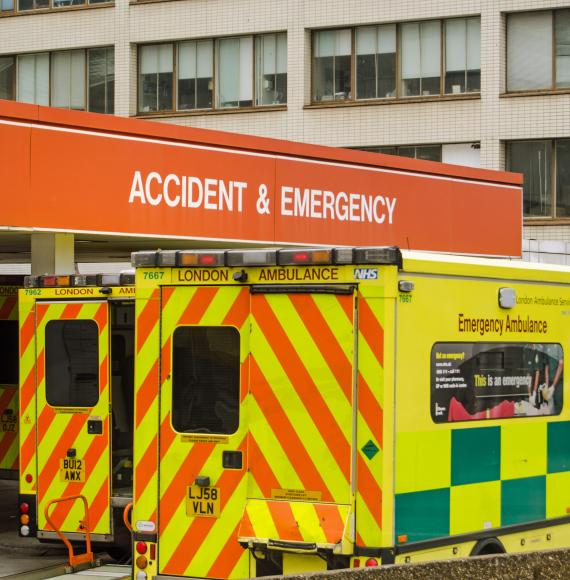
Emergency diagnoses remain another concern. Around one in five cancers across the UK are still diagnosed via emergency routes such as A&E, often meaning the disease is more advanced and harder to treat.
Cancer Research UK says governments across the UK must act together to:
- Fully fund and implement national cancer strategies
- Expand screening and targeted lung checks
- Invest in diagnostic capacity and workforce
- Tackle preventable risk factors more effectively
Long‑term research investment is also essential. Cancer Research UK’s £4 billion investment over the last decade shows how sustained funding delivers breakthroughs that improve survival and quality of life.
While the Cancer in the UK Report 2026 lays bare the scale of the challenge, it also provides a clear roadmap for action. In her foreword for the report Michelle Mitchell, Chief Executive of Cancer Research UK, said:
“More people in the UK are being diagnosed with cancer than ever before.
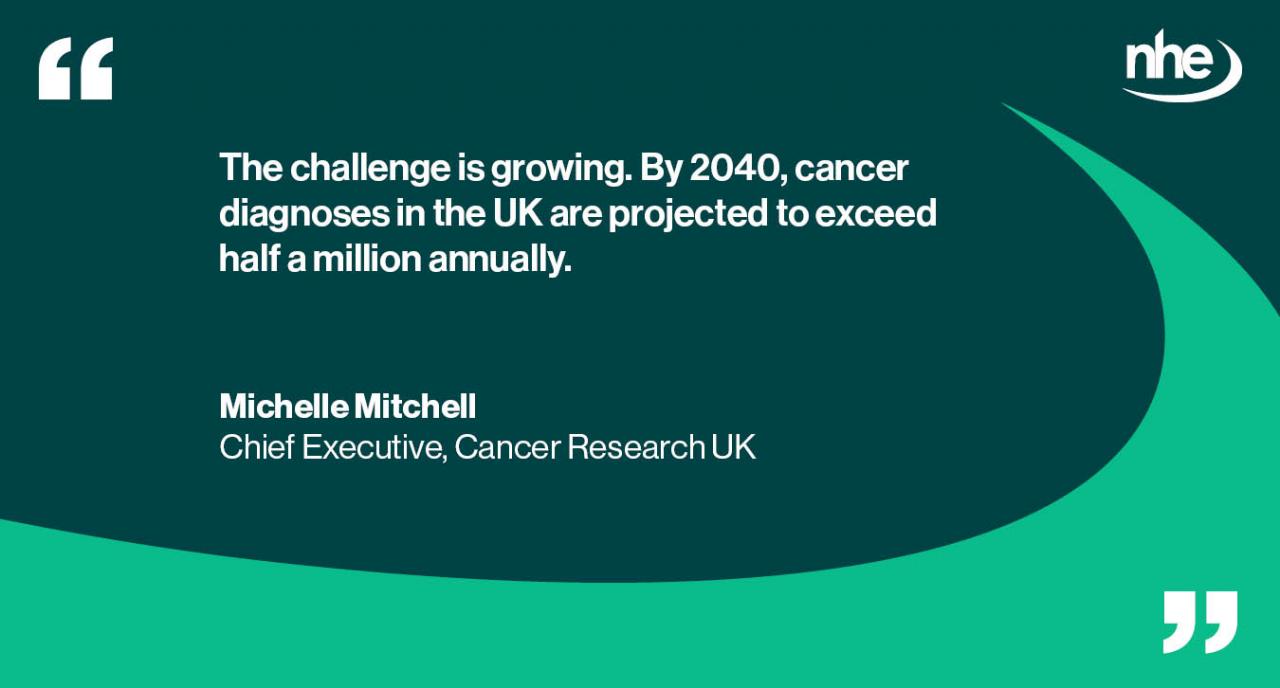
“Over 400,000 people in the UK hear the words ‘you have cancer’ each year, a number that continues to rise. And behind every statistic is a person: someone with hopes, relationships, and plans. Their courage, and the dedication of those who treat and support them, is at the heart of everything we do. The challenge is growing. By 2040, cancer diagnoses in the UK are projected to exceed half a million annually.
“Despite this, there has never been more cause for hope. Decades of discovery mean we understand far more about how to prevent, diagnose and treat cancer than at any time in our history.”
By accelerating prevention, diagnosing cancer earlier and ensuring timely access to treatment, the report argues the UK can continue to push cancer death rates down – and move closer to a future where everyone can live longer, better lives free from the fear of cancer.
Image credit: iStock