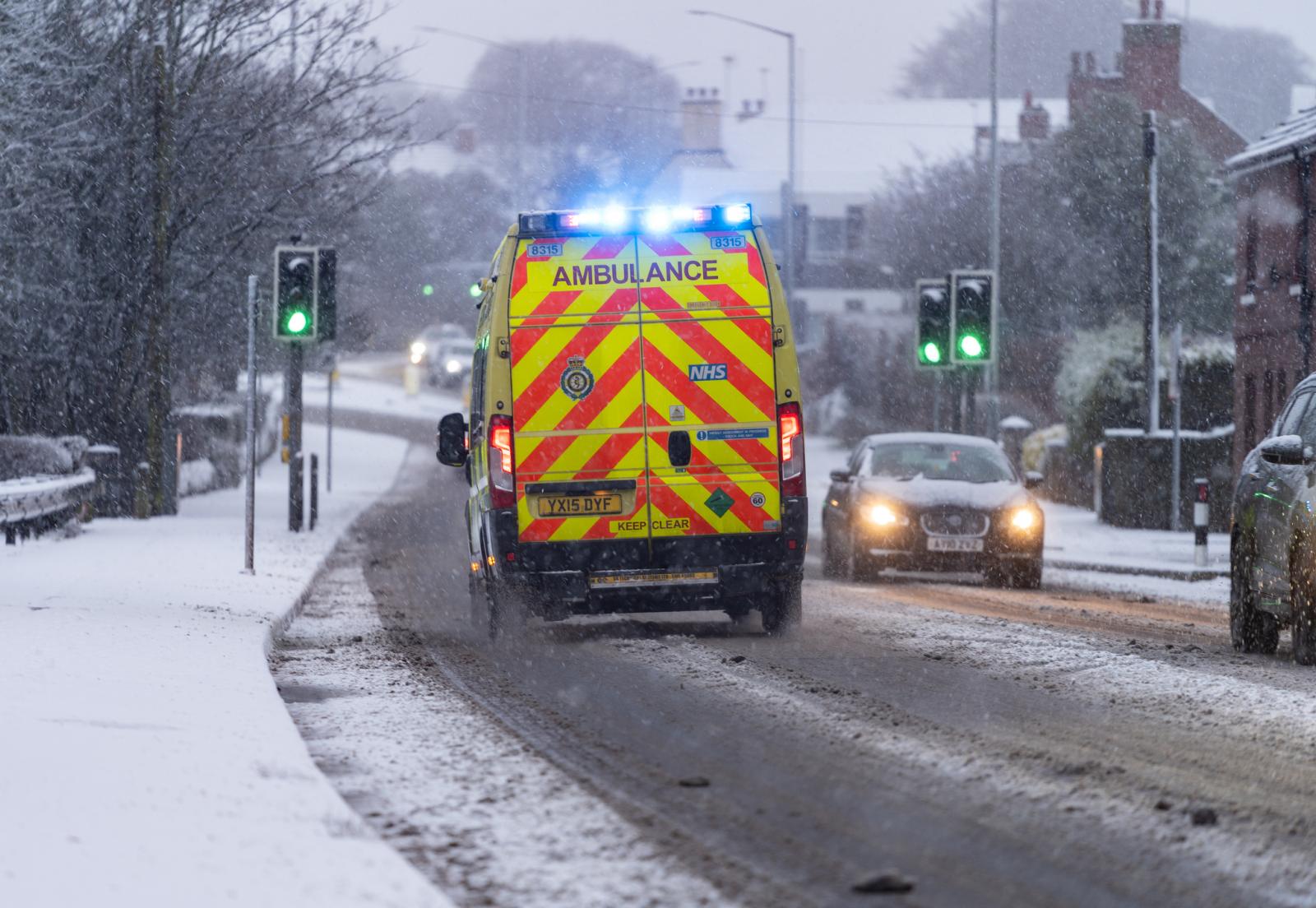

The NHS has experienced its busiest winter on record, with new data confirming unprecedented demand across emergency and ambulance services, all while waiting lists have fallen to their lowest point in nearly three years.
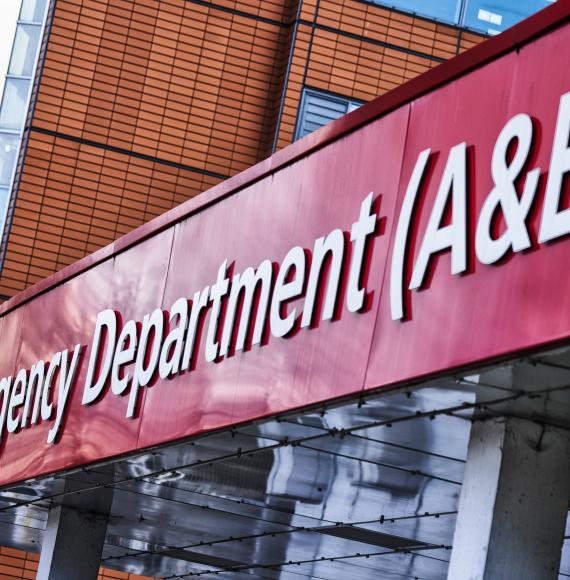
Between November and February, A&E departments in England saw more than 9.1 million attendances (9,110,591), which is the highest winter figure ever recorded and the first time attendances have exceeded nine million.
Ambulance services were similarly stretched. Call-outs reached 3.22 million (3,223,778), another all‑time winter high. Ambulance handovers at A&E where times were recorded totalled 1,640,783, almost 130,000 more than two years ago.
Despite the record-breaking demand, winter planning measures paid off. This winter recorded the shortest A&E waiting times in four years, with 73.6% of patients admitted, transferred or discharged within four hours – the best rate since 2021/22.
Ambulance crews also achieved their fastest response to life‑threatening Category 2 emergencies in five years, with average waits falling to 32 minutes and 29 seconds for conditions such as strokes and heart attacks.
Even amid the busiest winter on record, the NHS waiting list continued to decline. Figures for January 2026 show that the total waiting list dropped to 7.25 million, down by 43,666 from December. This represents 6.13 million unique patients, the lowest level since early 2023.
Alongside this, since June 2024, the waiting list has fallen by more than 370,000 (374,083).
Professor Meghana Pandit, NHS National Medical Director, said:
“The NHS was ready to tackle winter head on this year, which is why despite facing record-breaking demand, staff have delivered the shortest winter waiting times for 4 years – while waiting lists have continued to fall.
“This is proof that the NHS is starting to turn a corner for patients – but we know the job is far from done.
“For too long, too many patients have faced the indignity of being treated in hospital corridors. That’s why we’re taking a zero-tolerance approach – with hospital leaders out on the wards and corridors making sure patients are treated with the dignity they deserve.
“I also want to thank the public for their role in supporting the NHS this winter – these figures show the huge impact of the public getting vital winter jabs.”
While pressures remain, the data suggests improved planning, modernisation, and workforce efforts are beginning to stabilise the system after years of disruption.
With both response times and waiting lists improving, the NHS enters spring with the strongest performance indicators seen since before the pandemic – offering cautious optimism for patients and staff alike.
Image credit: iStock