

There is a point many NHS L&D teams recognise, even if they do not name it straight away.
The system that was meant to make learning easier begins to slow things down. Tasks take longer, reporting does not answer the questions that matter, and teams spend more effort fixing issues than delivering learning that supports real outcomes.
For NHS organisations, the impact shows quickly. Compliance must be clear, staff need access to learning that fits around demanding roles, and managers rely on insight they can trust. When the LMS cannot support that, the gap becomes hard to ignore.
In most cases, the issue is not a single failure. It is a pattern that builds over time. Each problem may seem manageable on its own, but together they start to change how learning works across the organisation.
You might recognise the signs:
- Reporting shows activity but not impact
- Engagement drops across clinical and non-clinical teams
- Compliance tracking feels uncertain ahead of audits
- Admin and maintenance demands keep rising
- Workarounds become part of everyday practice
At that point, the platform stops supporting the work and starts getting in the way.
The Cost of Staying Put
Many teams continue with their LMS longer than they want to. Migration takes planning, data needs to be moved, and disruption is a concern. There is also the question of whether a new system will deliver enough improvement to justify the change.
As a result, teams adapt around what they have. Over time, the impact spreads. Learners disengage, compliance becomes harder to evidence with confidence, and reporting turns into guesswork. Learning teams spend more energy maintaining the system than improving outcomes. The question shifts from whether the system works to how much it is holding the organisation back.
Why Organisations Decide to Change
Replacement decisions rarely come from a single issue. Wider pressures tend to bring the limits into focus. Regulatory requirements demand reliable records. New staff need to be onboarded faster. Services evolve, and teams need support to adapt. Learning is expected to fit into the flow of work while budgets tighten and expectations continue to rise.
The LMS sits at the centre of these demands. When it cannot adapt, the strain becomes difficult to ignore.
Get the Full Guide
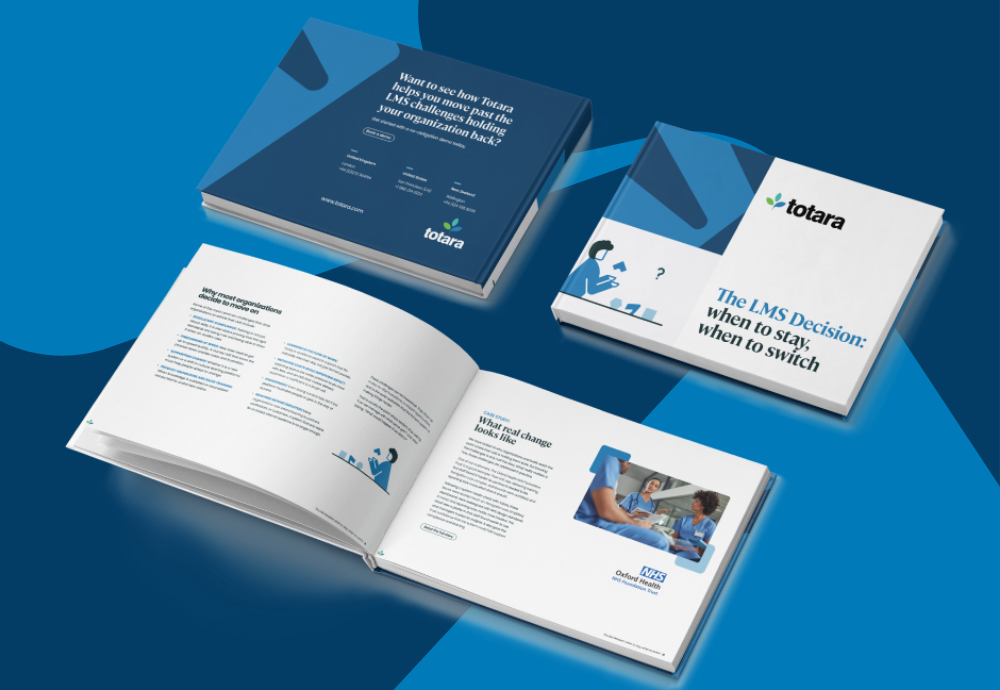
The LMS Decision: when to stay, when to switch brings these elements together in one place. It outlines the warning signs, explains what drives organisations to act, and sets out a practical approach to making the right call.
If your LMS is taking more effort than it should, this guide will help you decide what to do next.
Download the eBook and take a closer look at your options.