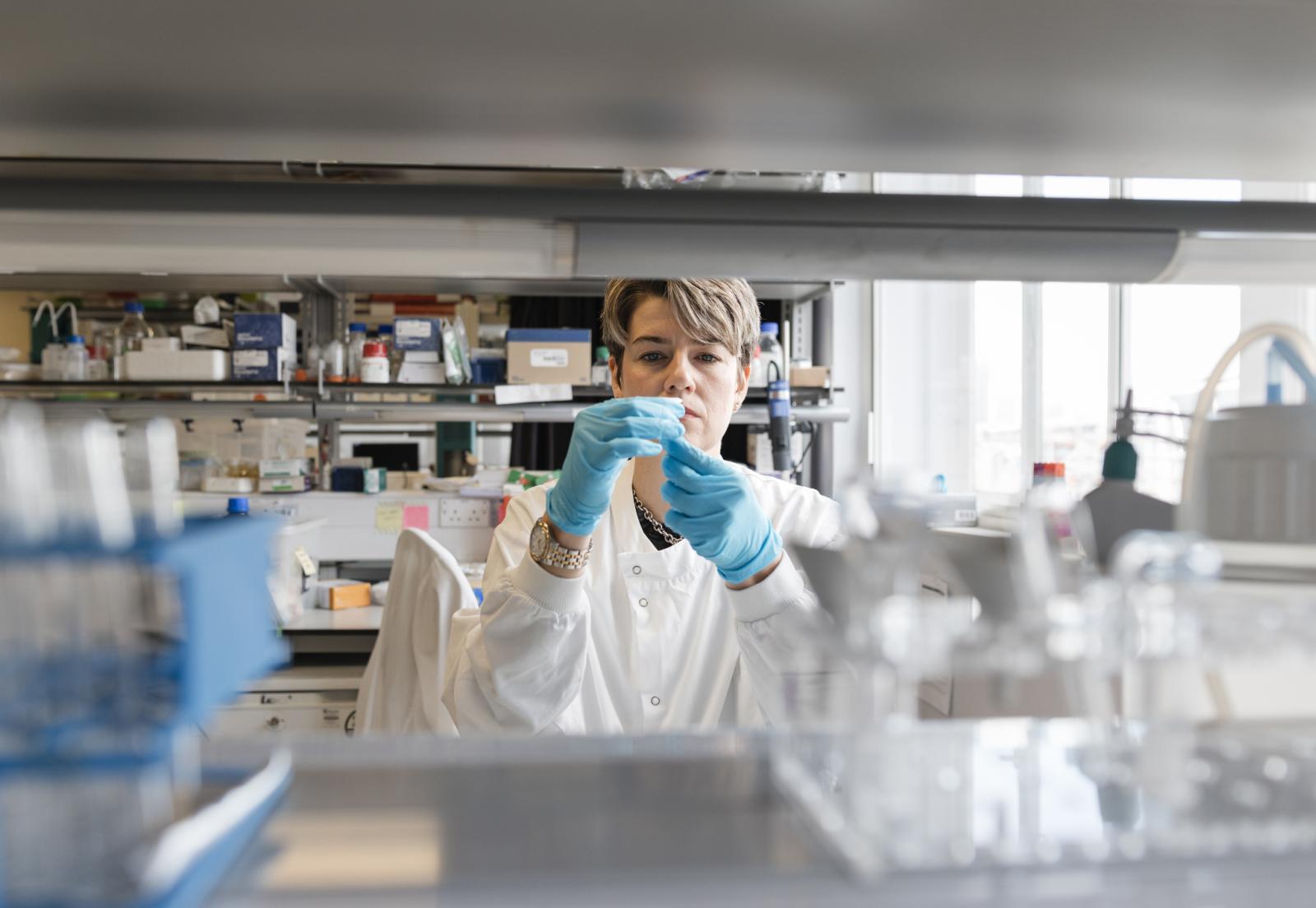

A pioneering £20 million robotic artificial intelligence laboratory designed to transform the development of new drugs and vaccines for some of the world's most dangerous infectious diseases has officially launched in Liverpool.
The Liverpool Accelerate Laboratory, the first facility of its kind in the UK, will bring together advanced robotics, artificial intelligence and human organoid technology to help researchers and industry partners develop next-generation treatments faster, more accurately and with reduced reliance on animal testing.
Developed through the Infection Innovation Consortium (iiCON), the facility represents a significant investment in the UK's life sciences sector and reinforces Liverpool City Region's growing reputation as an international hub for infection research and innovation.
Located at Liverpool School of Tropical Medicine (LSTM), the new laboratory has received £10 million in support from the Liverpool City Region Life Sciences Innovation Zone programme. While operational activity is beginning, the facility is scheduled to become fully open in 2027.
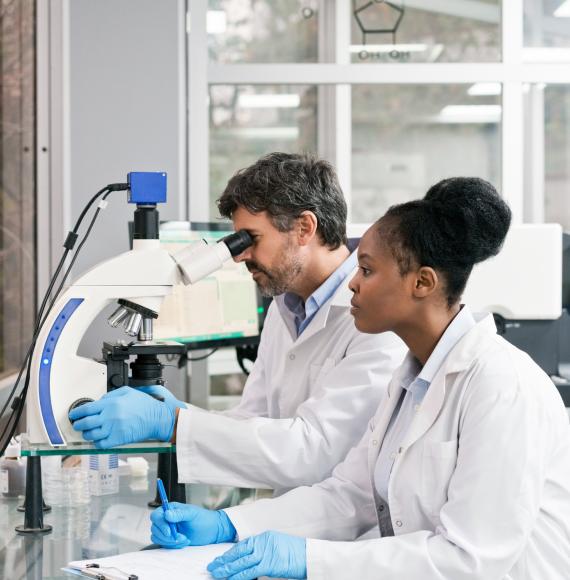
The laboratory has been built to provide a highly secure environment for researchers working with hazardous pathogens. Its new Containment Level 3 (CL3) laboratory incorporates state-of-the-art robotics, AI-driven systems and advanced liquid handling technology designed to accelerate the testing and development of new therapeutics.
Importantly, the facility meets Schedule Five biohazard security requirements, ensuring it is equipped for the safe handling of dangerous infectious agents and prepared for upcoming changes to UK terrorism legislation. The steel-clad structure has been designed as a future-proof national biosecurity asset that supports both public health protection and scientific advancement.
A key feature of the Liverpool Accelerate Laboratory is its use of organoid technology. Organoids are miniature versions of human organs grown from human cells, enabling researchers to better understand how drugs and vaccines may behave within the human body.
The facility will offer a range of organoid models, including liver, lung, tonsillar and skin tissues, providing pharmaceutical companies, biotechnology firms, SMEs and start-ups with access to cutting-edge testing platforms.
This approach aligns closely with the UK Government's £75 million roadmap aimed at reducing reliance on animal testing and increasing the use of ethical, human-relevant scientific models.
By supporting early-stage research and pilot projects through iiCON, businesses will be able to explore innovative testing methods while generating evidence that could ultimately support regulatory approval processes for new medicines and vaccines.
Beyond its scientific capabilities, the new laboratory is expected to deliver significant economic benefits.
Forecasts suggest the facility could attract as much as £40 million in investment during its first three years of operation. The project is also expected to create highly skilled jobs, strengthen research partnerships and attract additional life sciences businesses to the Liverpool City Region.
The development forms a key component of the wider Liverpool City Region Life Sciences Innovation Zone, which aims to accelerate health innovation, commercialisation and inward investment across the region.
Liverpool City Region Mayor, Steve Rotheram, said:
“Liverpool has been leading the fight against infectious diseases for generations, and this new facility will help keep us at the cutting edge.
“We’re bringing together AI, robotics and world-class research into one place, which means we can develop new drugs and vaccines faster, save lives and reduce the need for animal testing.
“This is exactly the kind of investment our Life Sciences Innovation Zone was designed to deliver, creating good jobs, attracting further investment and cementing our position as a global leader in infection innovation.”
The facility is expected to play a central role in the next phase of iiCON's growth, further strengthening collaboration between industry, academia and the NHS to speed up the discovery, development and commercialisation of new treatments for infectious diseases.
Funding for the Liverpool Accelerate Laboratory has been provided through a £10 million investment from Liverpool City Region Combined Authority, alongside support from Research England's Expanding Excellence in England (E3) Fund and The Wolfson Foundation.
Image credit: iStock